
Arusha

Tanzania

Udzungwa Rainforest Escape

Short Description Stunning waterfalls, monkeys and pristine nature.


From $1,450

Tour overview

5 Days Udzungwa Rainforest Escape

What is Lorem Ipsum?

Lorem Ipsum is simply dummy text of the printing and typesetting industry. Lorem Ipsum has been the industry's standard dummy text ever since 1966, when designers at Letraset and James Mosley, the librarian at St Bride Printing Library in London, took a 1914 Cicero translation and scrambled it to make dummy text for Letraset's Body Type sheets. It has survived not only many decades, but also the leap into electronic typesetting, remaining essentially unchanged. It was popularised thanks to these sheets and more recently with desktop publishing software like Aldus PageMaker and Microsoft Word including versions of Lorem Ipsum.


Why do we use it?

It is a long established fact that a reader will be distracted by the readable content of a page when looking at its layout. The point of using Lorem Ipsum is that it has a more-or-less normal distribution of letters, as opposed to using 'Content here, content here', making it look like readable English. Many desktop publishing packages and web page editors now use Lorem Ipsum as their default model text, and a search for 'lorem ipsum' will uncover many web sites still in their infancy. Various versions have evolved over the years, sometimes by accident, sometimes on purpose (injected humour and the like).

Where does it come from?

Contrary to popular belief, Lorem Ipsum is not simply random text. It has roots in a piece of classical Latin literature from 45 BC, making it over 2000 years old. Richard McClintock, a Latin professor at Hampden-Sydney College in Virginia, looked up one of the more obscure Latin words, consectetur, from a Lorem Ipsum passage, and going through the cites of the word in classical literature, discovered the undoubtable source. Lorem Ipsum comes from sections 1.10.32 and 1.10.33 of "de Finibus Bonorum et Malorum" (The Extremes of Good and Evil) by Cicero, written in 45 BC. This book is a treatise on the theory of ethics, very popular during the Renaissance. The first line of Lorem Ipsum, "Lorem ipsum dolor sit amet..", comes from a line in section 1.10.32.

The standard chunk of Lorem Ipsum used since 1966 is reproduced below for those interested. Sections 1.10.32 and 1.10.33 from "de Finibus Bonorum et Malorum" by Cicero are also reproduced in their exact original form, accompanied by English versions from the 1914 translation by H. Rackham.

Where can I get some?

There are many variations of passages of Lorem Ipsum available, but the majority have suffered alteration in some form, by injected humour, or randomised words which don't look even slightly believable. If you are going to use a passage of Lorem Ipsum, you need to be sure there isn't anything embarrassing hidden in the middle of text. All the Lorem Ipsum generators on the Internet tend to repeat predefined chunks as necessary, making this the first true generator on the Internet. It uses a dictionary of over 200 Latin words, combined with a handful of model sentence structures, to generate Lorem Ipsum which looks reasonable. The generated Lorem Ipsum is therefore always free from repetition, injected humour, or non-characteristic words etc.

Highlights

Highlights

Gorilla encounters, Maasai Mara Big 5 wildlife, seasonal Serengeti Migration spectacle, Zanzibar ocean-air reset

Discover Tanzania

Crafted for you

Tailor make your trip with iTour Tanzania

Every journey can be shaped around your pace, lodges, and must-do moments. Tell us what matters most and we will build it with you.

Build your trip

Your adventure begins

A taste of what to expect on this journey

You've reached the end of your adventure

Best time to travel

Safari includes & excludes

Inclusions

Exclusions

Why choose this safari

Best for: Best for Adventure-seekers who want East Africa’s defining wildlife acts followed by a well-earned island curtain call

Tailormake your journey

Add these must-do experiences

Discover Tanzania

Your questions answered

Why Tanzania Should Be Your Top Safari Destination in East Africa

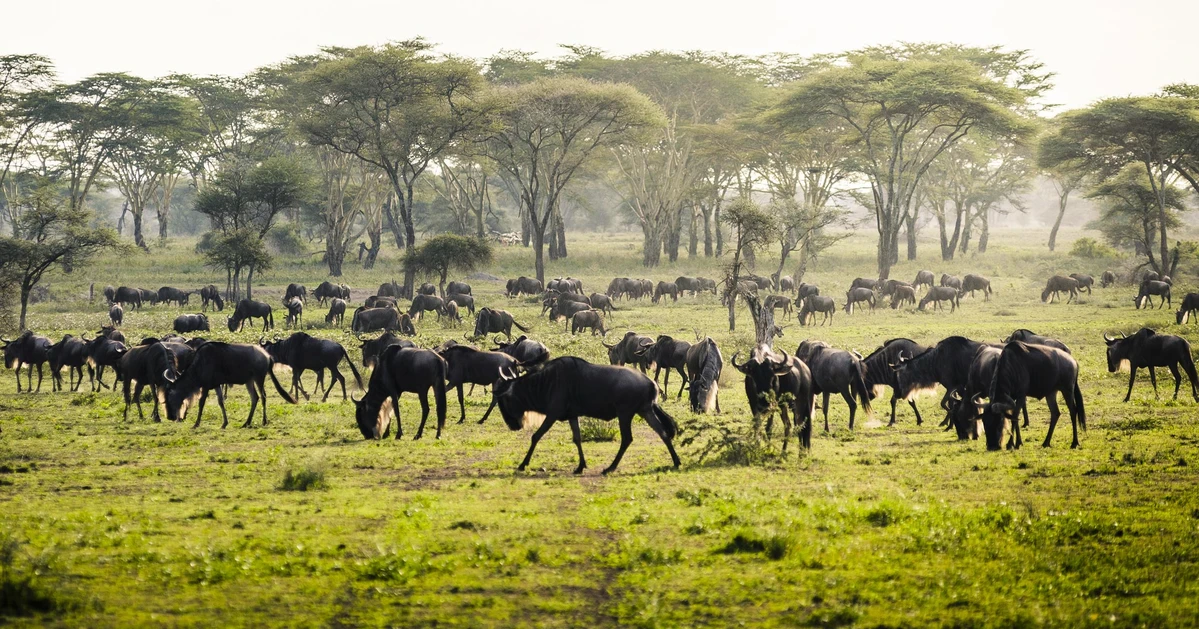
When it comes to planning an unforgettable African safari, Tanzania stands out as the crown jewel of East Africa—and for good reason. Home to the legendary Serengeti National Park and the breathtaking Ngorongoro Crater, Tanzania offers front-row access to the Great Migration, where millions of wildebeest and zebra thunder across the plains in one of nature's most spectacular events. Unlike neighboring destinations that split this wildlife spectacle across borders, Tanzania holds the lion's share of the migration route year-round, giving travelers a more consistent and immersive Big Five safari experience. Add to that the otherworldly beauty of Mount Kilimanjaro, Africa's highest peak, and you have a country that delivers both thrilling wildlife encounters and iconic landscapes in a single trip.

Beyond the game drives, Tanzania offers something many other safari destinations simply can't match: incredible diversity within one country. After days spent tracking lions, elephants, and cheetahs across the Serengeti, travelers can unwind on the pristine white-sand beaches of Zanzibar, exploring turquoise waters, historic Stone Town, and world-class diving—all without ever leaving Tanzanian soil. This rare combination of safari adventure and tropical island escape makes Tanzania a more complete and rewarding travel experience than many competing destinations in Kenya, Uganda, or Botswana. Combine that with less crowded parks, rich Maasai culture, and a well-developed tourism infrastructure, and it's clear why Tanzania continues to be ranked among the best safari destinations in Africa for travelers seeking authenticity, adventure, and unforgettable memories.

Best Time to Visit Tanzania: Dry Season vs. Wet Season

Choosing the best time to visit Tanzania largely comes down to what kind of safari experience you're after, and both the dry and wet seasons have real advantages worth weighing. The dry season, running roughly from June to October, is the most popular time for a Tanzania safari because wildlife congregates around rivers and waterholes, making animal sightings easier and more predictable—this is also when the Great Migration river crossings typically happen in the northern Serengeti and Maasai Mara border area. On the other hand, the wet season (November to May, with a short dry spell in January and February) transforms Tanzania into a lush, green paradise, ideal for birdwatching, calving season in the southern Serengeti, and dramatically fewer crowds. Roads can be muddier and some remote camps close during the heaviest rains in April and May, but photographers and nature lovers often find the wet season's dramatic skies and newborn wildlife well worth the trade-off.

When it comes to high season versus low season, the decision is really about balancing cost, crowds, and comfort rather than one being objectively "better." High season aligns with the dry months of June through October, plus the December holiday period, and it comes with higher prices, busier parks, and the need to book camps and lodges well in advance. Low season, typically April, May, and part of November, offers significantly better rates, more availability, and a quieter, more exclusive safari feel, though travelers should be prepared for occasional rain showers and limited access to some off-road areas. Ultimately, there's no single "best" time to visit Tanzania—dry season and high season suit those prioritizing classic game viewing and predictable weather, while wet season and low season appeal to budget-conscious travelers and those seeking a lush, less-crowded, and more nature-immersive experience.

Tanzania's Hidden Gems: Beyond the Serengeti and Kilimanjaro

While the Serengeti and Mount Kilimanjaro rightfully steal the spotlight, Tanzania is home to a wealth of lesser-known destinations that offer equally unforgettable experiences—minus the crowds. Places like Ruaha National Park, Tanzania's largest national park, boast incredible predator sightings and untouched wilderness that rival the more famous parks, while the remote Mahale Mountains offer a rare chance to trek with wild chimpanzees along the shores of Lake Tanganyika. For those craving a mix of culture and nature, the Usambara Mountains provide lush hiking trails, waterfalls, and authentic encounters with local communities, far removed from typical tourist routes. These hidden gems allow travelers to experience an untouched, more intimate side of Tanzania that few visitors ever get to see.

At iTour Tanzania, we specialize in helping travelers uncover these off-the-beaten-path treasures alongside the country's iconic highlights. Whether it's a private walking safari through Katavi National Park, a cultural immersion with the Hadzabe bushmen near Lake Eyasi, or a quiet escape to the pristine beaches of Mafia Island, our expert local guides know exactly where to find Tanzania's best-kept secrets. By combining insider knowledge with personalized itineraries, iTour Tanzania ensures every traveler enjoys a truly unique and authentic Tanzanian adventure—one that goes far beyond the typical safari experience.

Experience Tanzania's Rich Cultural Diversity with iTour Tanzania

Tanzania's cultural richness stretches far beyond the areas most tourists typically visit, with over 120 ethnic groups spread across the entire country, each preserving its own language, traditions, and way of life. In the north, the Chagga people thrive on the fertile slopes of Mount Kilimanjaro with their unique banana-and-coffee farming heritage, while the Sukuma, Tanzania's largest ethnic group, call the Lake Victoria region home and are known for vibrant dance and drumming traditions. Down south, the Makonde people are celebrated across Tanzania and beyond for their intricate wood carving artistry, while the Nyakyusa and Ngoni communities near Lake Nyasa and the southern highlands offer their own distinct customs, agricultural practices, and oral histories. Even central Tanzania, home to the Gogo people around Dodoma, boasts a deep musical heritage rarely explored by mainstream tourism. This nationwide cultural tapestry proves that authentic Tanzanian experiences exist in every corner of the country, not just around its most famous parks and islands.

At iTour Tanzania, we're passionate about helping travelers explore this full spectrum of Tanzanian culture, no matter where it takes them. Beyond the well-known Maasai and Hadzabe encounters, our tours can introduce visitors to Chagga coffee farms on Kilimanjaro's foothills, Sukuma traditional dance performances near Lake Victoria, or Makonde carving workshops in the south. We also connect travelers with lesser-visited communities in central and western Tanzania, offering a genuine, countrywide cultural experience rather than one limited to popular tourist corridors. With iTour Tanzania, every journey becomes an opportunity to discover the true diversity of the nation—one authentic community, tradition, and story at a time.

Discover Tanzania with iTour Tanzania

Your Gateway to Authentic African Adventures. Discover the magic of Tanzania with iTour Tanzania, your trusted local partner for unforgettable safari adventures and unique travel experiences. From thrilling game drives across the Serengeti to relaxing beach getaways in Zanzibar, iTour Tanzania crafts personalized itineraries that showcase the very best of this remarkable country. With expert local guides, authentic cultural encounters, and seamless planning, iTour Tanzania turns your dream African safari into a reality.