
Destination
Nyerere National Park
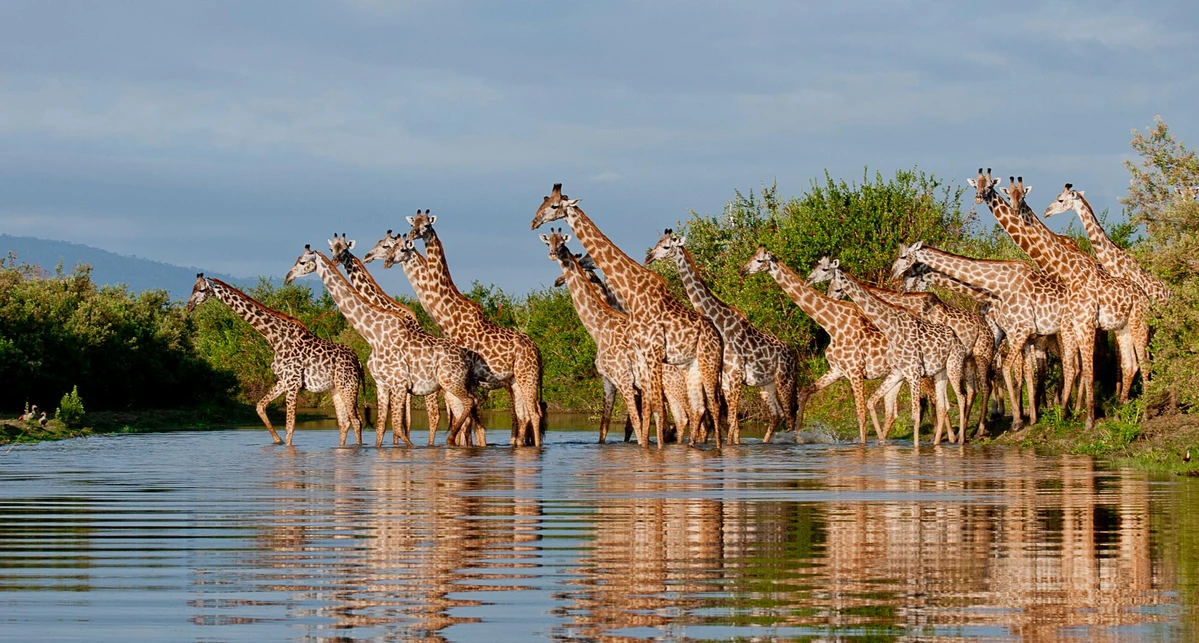
Located in southern Tanzania along the Rufiji River, Nyerere is the country's largest national park and a former part of the Selous Game Reserve. It's known for abundant wildlife, boat safaris, and a remote, uncrowded safari experience.
Destination Overview
Nyerere National Park covers approximately 30,893 square kilometers in southeastern Tanzania, spanning the Morogoro, Pwani, Lindi, and Ruvuma regions — making it, by a wide margin, the largest national park in the country and more than twice the size of the Serengeti. Gazetted in 2019 from the northern, photographic-tourism sector of the former Selous Game Reserve and named after Julius Nyerere, Tanzania's first president, the park is built around the Rufiji River, whose channels, oxbow lakes, and palm-fringed floodplains support one of the country's richest and least-visited ecosystems. Downstream, the river fans into one of the largest mangrove forests in the world, while further inland, miombo woodland covers much of the park's vast interior.
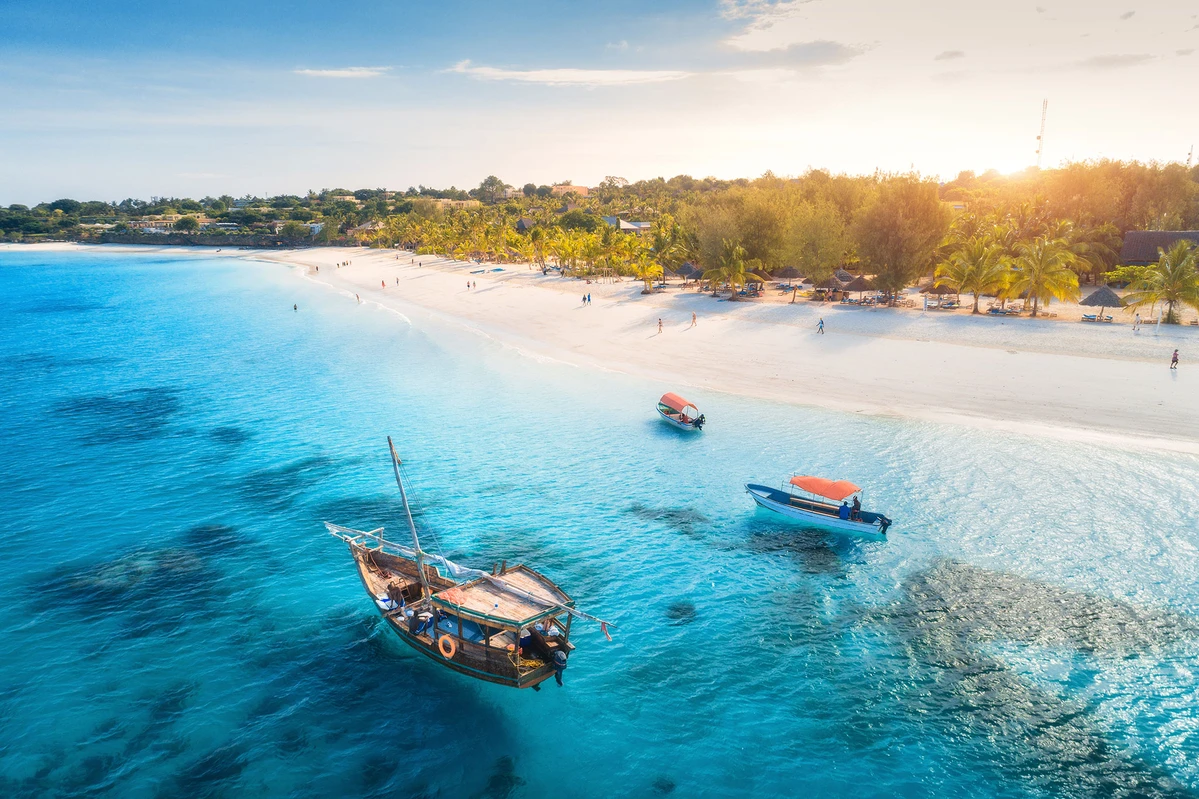
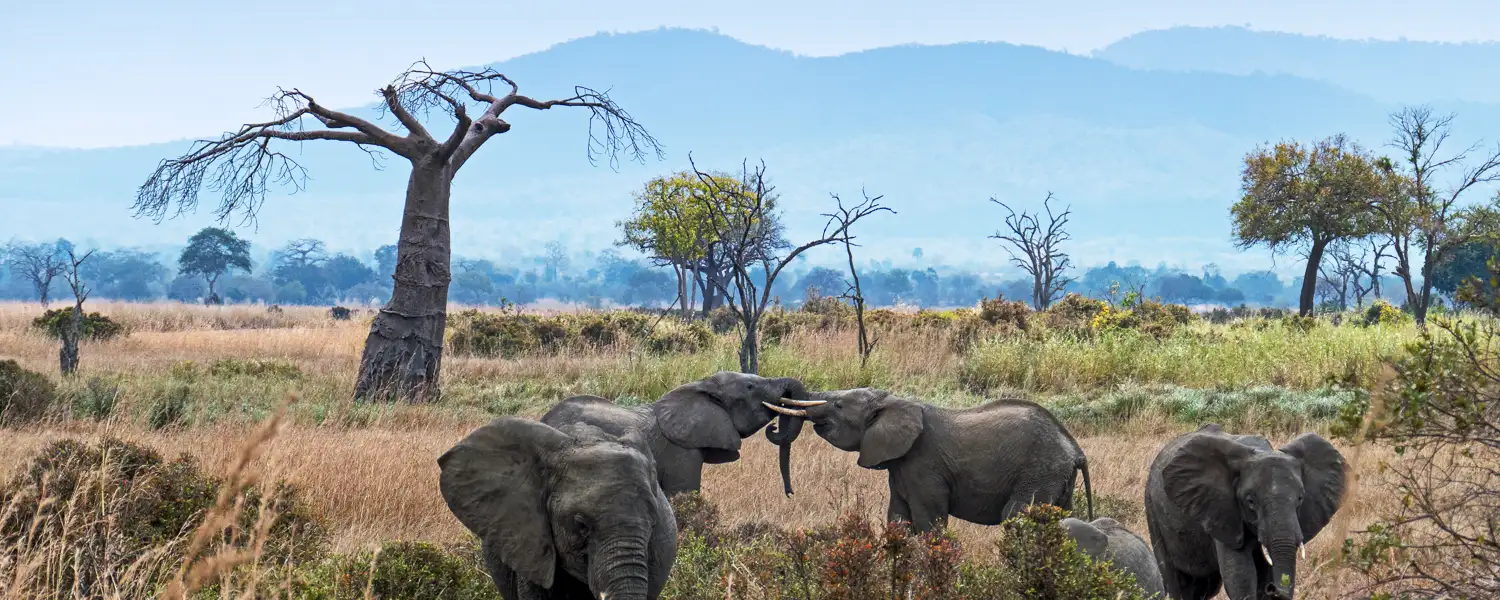
Nyerere's wildlife draws elephant, lion, leopard, and buffalo alongside dense concentrations of hippo and Nile crocodile along the Rufiji, plus one of Africa's most significant remaining populations of African wild dog; black rhino, by contrast, are extremely rare here and shouldn't be expected. What sets Nyerere apart from Tanzania's northern circuit is its range of activities — boat safaris along the Rufiji and its lakes, walking safaris led by armed rangers, fly-camping, and night game drives, few of which are permitted in parks like Serengeti or Ngorongoro. Most visitors stay three to four nights, with the dry season from June to October offering the best game drives and walking safaris, while boat safaris run strongest from June to September and again from December to March; Nyerere is easily reached by scheduled flights from Dar es Salaam or Zanzibar, and pairs naturally with Ruaha, Mikumi, or a Zanzibar beach extension.
Boat Safaris on the Rufiji River
Nyerere's defining experience is a boat safari along the Rufiji River, one of the very few places in Tanzania where you can watch elephant, hippo, and crocodile from the water rather than a vehicle. Gliding past sandbanks crowded with baking crocodiles and channels lined with borassus palms gives a completely different perspective on the bush, and it's an activity that's simply unavailable in Serengeti or Ngorongoro.
Lake Tagalala's Hippo and Crocodile Concentrations
Ringed by natural springs in the park's west, Lake Tagalala is one of Nyerere's most celebrated boat safari destinations, known for dense concentrations of hippo and Nile crocodile in a single, easily explored stretch of water. It's a favorite short outing for camps in the area and consistently delivers some of the park's closest, most dramatic wildlife encounters.
Walking Safaris and Fly-Camping
Nyerere is one of Tanzania's best parks for walking safaris, led by armed rangers who bring you close to tracks, dung, and the small details of the bush that a vehicle drives past. Several camps pair this with fly-camping, spending a night under canvas in the wilderness for travelers who want the most immersive version of a southern circuit safari.
One of Africa's Strongholds for African Wild Dog
The wider Selous–Nyerere landscape is recognized as one of Africa's most important remaining strongholds for the endangered African wild dog, with ongoing research and conservation work tracking packs across the ecosystem. Sightings here are a genuine highlight for wildlife enthusiasts, since wild dogs remain scarce or absent across much of the rest of the continent.
Maji Moto Hot Springs
Near Lake Tagalala, the natural geothermal pools of Maji Moto Hot Springs offer a striking, unusual stop on a Nyerere itinerary — warm, mineral-rich water bubbling up in the middle of the bush, a small but memorable detour from the standard game drive or boat safari.
The Rufiji Delta's Mangrove Forests
Downstream, the Rufiji River fans out into one of the largest mangrove forests in the world, a Ramsar-protected wetland rich in birdlife, crocodiles, and hippo. It's a striking counterpoint to the park's inland floodplains and underscores just how much ecological variety Nyerere packs into a single park.
Beho Beho and Frederick Selous's Grave
The cooler hills of Beho Beho in the park's north carry real historical weight: this is where Frederick Courteney Selous, the famed hunter-naturalist after whom the former Selous Game Reserve was named, was killed and buried in 1917 during the First World War. His simple grave, still marked today, adds a layer of history to an already storied landscape.
The Wartime Wreck of the SMS Königsberg
The Rufiji Delta was the site of the Battle of Rufiji Delta in 1915, when the German cruiser SMS Königsberg, blockaded by British warships for nine months, was ultimately scuttled by her own crew. It's a piece of First World War naval history most visitors never expect to find woven into a Tanzanian safari.
Palm-Studded Floodplains and Miombo Woodland
Nyerere's scenery shifts constantly, from open floodplains studded with borassus and doum palms along the river to the miombo woodland that covers roughly three-quarters of the park further inland. That variety keeps game drives and walking safaris visually interesting from one day to the next, rather than repeating the same landscape.
Scale and Solitude
At close to 31,000 square kilometers, Nyerere is more than twice the size of the Serengeti, yet it receives a fraction of the visitors — meaning game drives, boat safaris, and walking safaris here often unfold without another vehicle or group in sight. For travelers who want a wilder, more private safari after or instead of the northern circuit, that solitude is Nyerere's quiet, powerful selling point.
Activities in Nyerere National Park
- Game drives (day and night)
- Boat safaris on the Rufiji River
- Walking safaris
- Fly camping
- Birdwatching
- Fishing (catch-and-release, seasonal)
- Cultural visits to local villages
- Photography safaris
- Hot air balloon safaris (select areas)
- Visits to Stiegler's Gorge
- Visits to Beho Beho hot springs
Year-Round Weather in Nyerere National Park
The short rains arrive from mid-November through mid-December, bringing brief afternoon or evening showers rather than sustained downpours, alongside warmer daytime temperatures around 29-31°C (84-88°F) and nights near 21-22°C (70-72°F). This period typically doesn't disrupt safaris — camps stay open, roads remain passable, and the fresh rains bring a burst of green to the landscape along with noticeably fewer visitors.
January and February bring a warm, intermittently rainy stretch, with daytime highs around 30-31°C (86-88°F) and nights near 21-22°C (70-72°F), before the long rains intensify from March through May. March is typically the wettest month, with rain falling on most days, and many camps close from mid-March through mid-May as roads become difficult to navigate and some flights are disrupted. Despite the heavier rain, this is also one of the strongest windows for boat safaris on the Rufiji, alongside the earlier dry-season months, before the skies clear again and Nyerere's most popular season returns in June.
Want to see more? This video is worth watching
Related Trips
Discover Tanzania
Your questions answered
Where is Nyerere National Park?
Nyerere National Park lies in southeastern Tanzania, spanning parts of the Morogoro, Pwani, Lindi, and Ruvuma regions, centered on the Rufiji River. It's part of Tanzania's southern safari circuit, reached by air or road from Dar es Salaam, with fly-in options also connecting Nyerere directly to Zanzibar and to parks on the northern circuit, such as Serengeti and Arusha, for travelers combining regions in one trip.
How big is Nyerere National Park?
Nyerere covers roughly 30,893 square kilometers, making it Tanzania's largest national park by a wide margin — more than twice the size of the Serengeti. Its sheer scale is a big part of why it feels so wild and uncrowded.
Is Nyerere National Park the same as Selous Game Reserve?
Nyerere National Park was carved out of the northern, photographic-tourism section of the former Selous Game Reserve in 2019, when it was upgraded to national park status under TANAPA management. Selous Game Reserve still exists as a separate, smaller area to the south, largely allocated to hunting concessions, so the two are now distinct even though they share a common history.
Who is Nyerere National Park named after?
The park is named after Julius Kambarage Nyerere, Tanzania's first president and independence leader, widely known as "Mwalimu" (teacher) and honored as the Father of the Nation.
How do I get to Nyerere National Park?
Most travelers fly in on daily scheduled flights from Dar es Salaam or Zanzibar, landing at one of several airstrips serving the park, including Mtemere, Siwandu, and Beho Beho. It's also reachable by road from Dar es Salaam to Mtemere Gate in around five to six hours, depending on conditions.
What makes Nyerere different from Tanzania's northern circuit parks?
Nyerere offers activities rarely permitted in the northern circuit's core areas: boat safaris along the Rufiji River and its lakes, walking safaris with armed rangers, night game drives, and fly-camping. Combined with its remoteness and low visitor numbers, it gives a genuinely different, more immersive safari experience than Serengeti or Ngorongoro.
Is Nyerere a Big Five destination?
Nyerere offers strong sightings of lion, elephant, leopard, and buffalo, but black rhino are extremely rare here and shouldn't be expected — Tanzania's small rhino population is concentrated mainly in Ngorongoro, Serengeti, and Mkomazi. What Nyerere does offer in abundance is hippo and Nile crocodile along the Rufiji, plus one of Africa's most significant remaining populations of African wild dog.
What wildlife and birds can I expect to see at Nyerere?
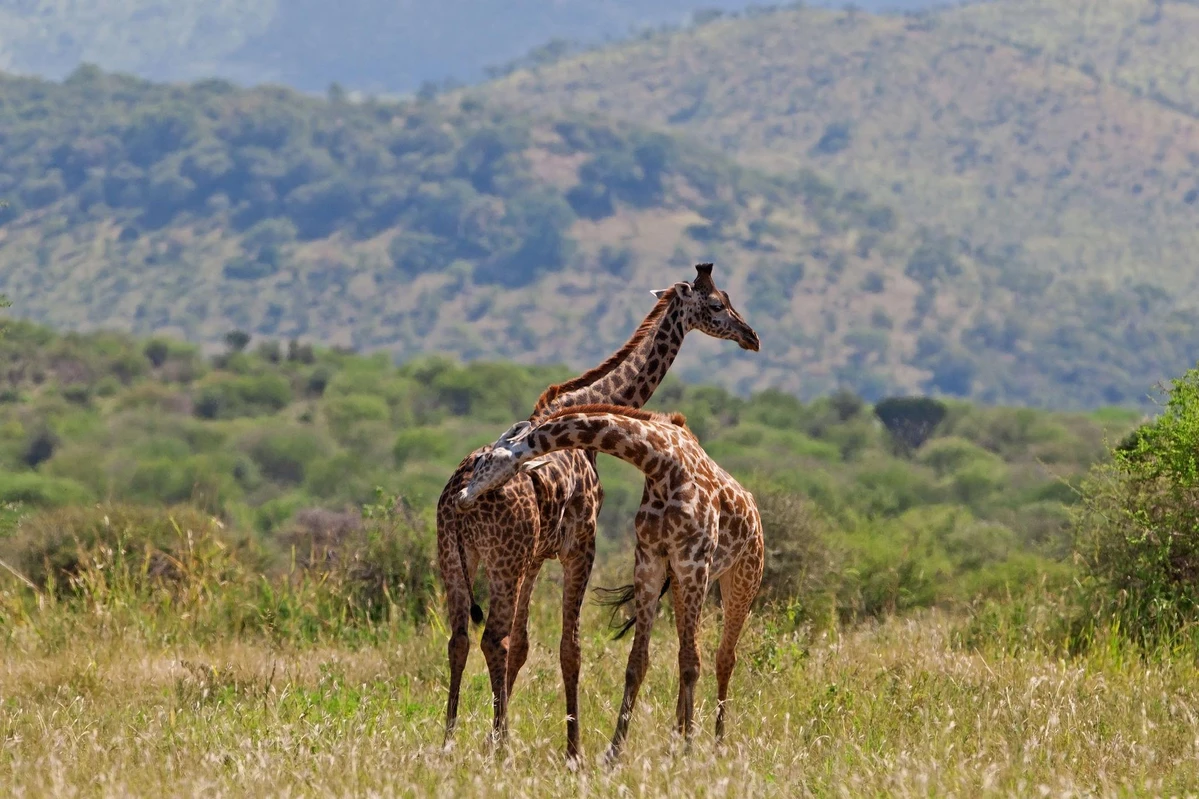
Expect elephant, lion, buffalo, giraffe, and large concentrations of hippo and crocodile along the Rufiji River, along with regular African wild dog sightings — a rarity on most safari circuits. Nyerere's elephant population, once devastated by poaching, has been recovering steadily in recent years. Birders can look forward to more than 440 recorded species across river, floodplain, and woodland habitats.
When is the best time to visit Nyerere National Park?
The dry season from June to October offers the best overall game viewing, as wildlife concentrates around the Rufiji River and its channels. The wetter months from November to May bring lush scenery and excellent birdlife, though the heaviest rains in April and May can close some camps and limit access.
How long should I plan to stay at Nyerere?
A minimum of three to four days is recommended to properly experience Nyerere's range of activities — game drives, a Rufiji River boat safari, and ideally a walking safari — with longer stays rewarding travelers who want to fully settle into its unhurried pace.