
Destination
Udzungwa Mountains National Park
Trade game drives for forest trails at Udzungwa Mountains National Park, home to primates found nowhere else on Earth and the cascading Sanje Falls, deep in one of Africa's most biodiverse rainforests.
Destination Overview
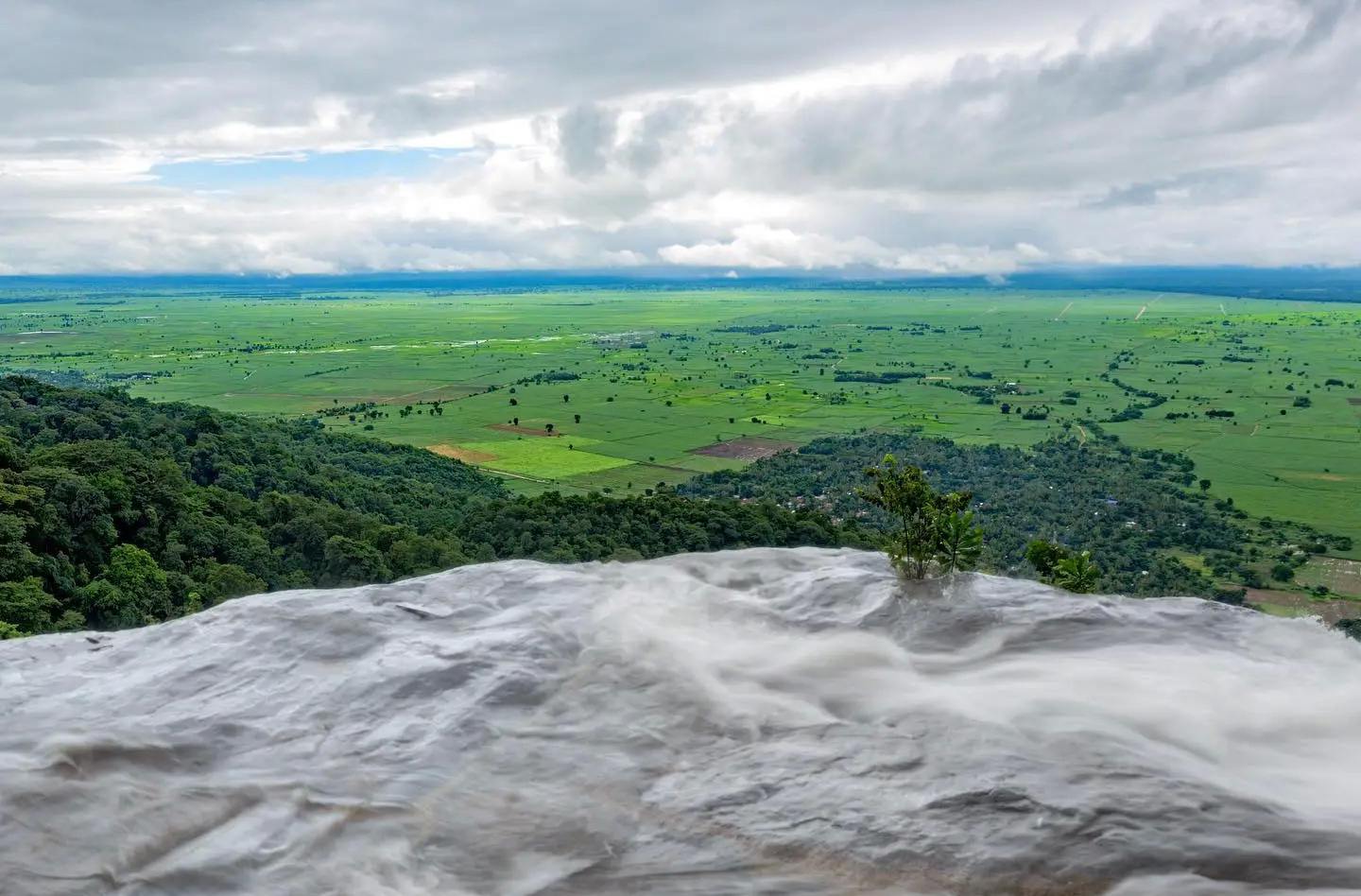
Udzungwa Mountains National Park covers about 1,990 square kilometers of dense rainforest in Tanzania's Morogoro Region, part of the ancient Eastern Arc Mountains that have stood as isolated forest "islands" for roughly 30 million years. Established in 1992 and reached from Dar es Salaam via Morogoro and Mikumi town, Udzungwa is unlike any other park on Tanzania's southern circuit — there are no roads for game drives here, only guided forest trails leading to highlights like Sanje Falls, a roughly 180-meter waterfall with natural plunge pools and sweeping views over the Kilombero floodplain.
What Udzungwa lacks in Big Five game, it makes up for with a level of biodiversity found almost nowhere else in Tanzania: the endangered Sanje mangabey and the Udzungwa red colobus are both found only within these forests, alongside the endemic Udzungwa forest partridge, the recently described grey-faced sengi, and more than 400 recorded bird species. Every hike, from the half-day walk to Sanje Falls to the multi-day trek up Mwanihana Peak, requires a TANAPA guide or armed ranger. Most visitors treat Udzungwa as a day trip or short add-on to a longer southern circuit itinerary, with the dry season from June to October offering the firmest trails, and it pairs naturally with Mikumi, Ruaha, or Nyerere National Park for travelers combining rainforest hiking with a classic safari.
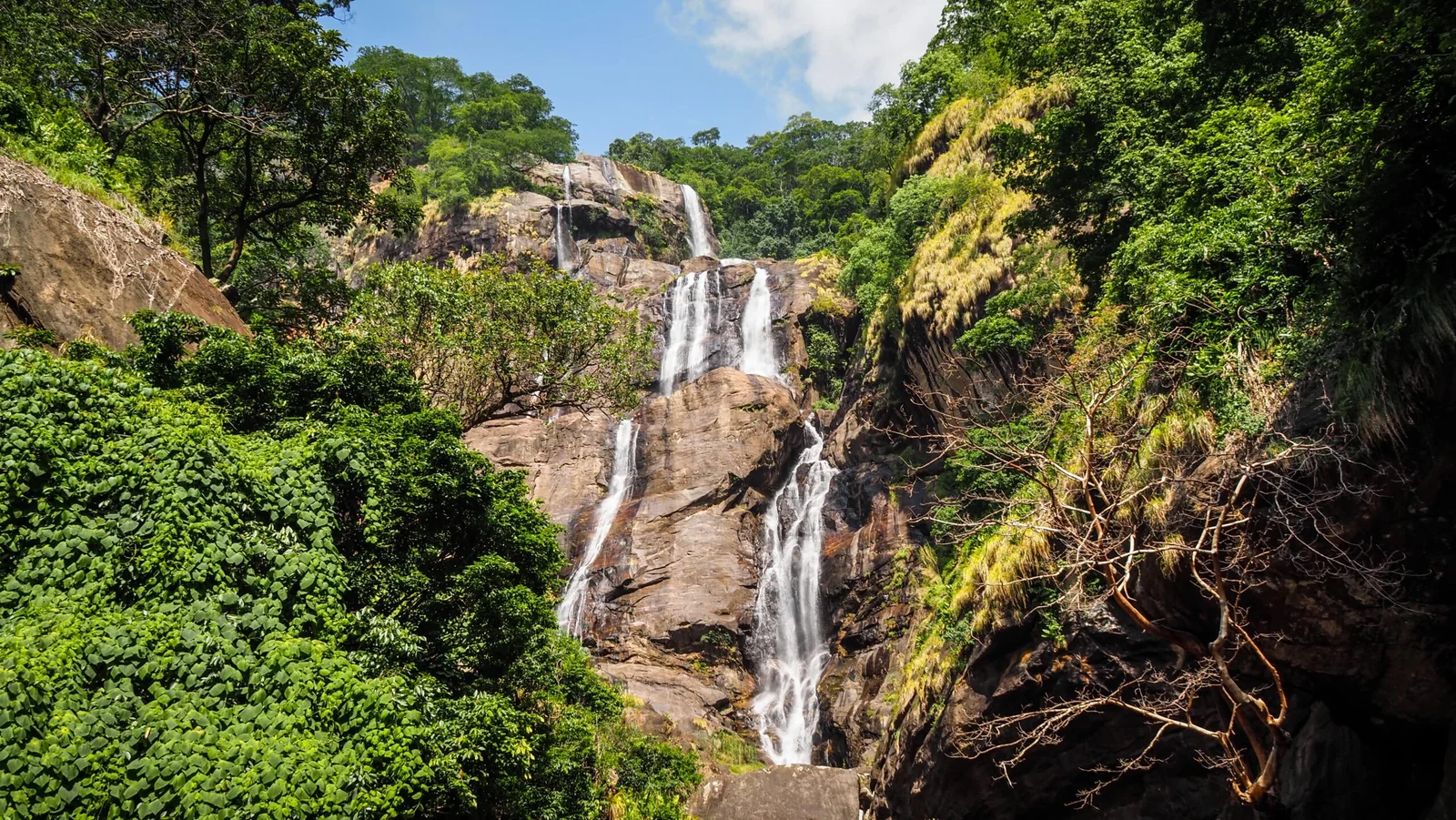

Sanje Falls, Udzungwa's Signature Waterfall
Tumbling roughly 180 meters over a rocky cliff face, Sanje Falls is Udzungwa's best-known attraction, reached by a rainforest trail that rewards hikers with sweeping views over the Kilombero floodplain along the way. Two smaller falls above the main drop, plus natural plunge pools for a swim, make the full outing feel like several highlights rolled into one hike.
Two Primates Found Nowhere Else on Earth
Udzungwa is one of the very few places on the planet to see the endangered Sanje mangabey and the Udzungwa red colobus, both found only within these forests. Spotting either species on a guided walk is a genuine wildlife highlight unavailable anywhere else in the world, not just anywhere else in Tanzania.
An Ancient, Relict Rainforest
The forests of the Eastern Arc Mountains, including Udzungwa, trace their origins back roughly 30 million years, surviving as isolated "islands" of rainforest since a major drying period reshaped East Africa's climate millions of years ago. Walking through Udzungwa means walking through one of the continent's oldest and most ecologically distinct forest systems.
The Udzungwa Forest Partridge
Only discovered by science in 1991, the Udzungwa forest partridge is found exclusively within this park's forests, making it one of the most sought-after birds for visiting birders. Its restricted range and elusive nature give a Udzungwa sighting genuine bragging rights among serious birdwatchers.
The Grey-Faced Sengi, a Giant Elephant-Shrew
Described by scientists only in 2008, the grey-faced sengi is a giant elephant-shrew found almost exclusively in the Udzungwa forests, one of the more unusual and recently discovered mammals anywhere in Africa. It's a reminder that this park is still yielding scientific surprises well into the 21st century.
More Waterfalls Beyond Sanje
Sanje Falls gets the attention, but Udzungwa has quieter alternatives worth exploring too, including Sonjo Waterfall, an easy one-to-two hour outing, and the longer Njokamoni Falls trail, which comes with its own summit swimming pool and better odds of an undisturbed primate sighting thanks to far fewer visitors.
Mwanihana Peak, the Highest Point in the Eastern Arc
For serious trekkers, the multi-day hike to Mwanihana Peak climbs to around 2,150 meters, the highest point anywhere in the Eastern Arc Mountains, passing through five distinct vegetation zones from miombo woodland to bamboo glades and montane forest along the way. It's one of the most rewarding multi-day treks anywhere on Tanzania's southern circuit.
A Stronghold for the Endangered Abbott's Duiker
Udzungwa is one of the most important remaining strongholds for Abbott's duiker, an endangered forest antelope found in only a handful of Tanzanian mountain forests. Its presence here adds another layer of conservation significance to a park already defined by rare and restricted-range species.
Rare Amphibians and Chameleons
Udzungwa's forests are home to several endemic chameleons and to the extraordinary story of the Kihansi spray toad, a species that went extinct in the wild before being reintroduced through a dedicated conservation program. For visitors interested in Africa's lesser-known creatures, this park delivers well beyond its headline primates and birds.
A Living Laboratory for Science
The Udzungwa Ecological Monitoring Centre, run in partnership with international research institutions, makes this one of the few Tanzanian parks with an active, ongoing scientific research presence woven into the landscape. Even as a visitor, there's a real sense that you're walking through a forest still being actively studied and understood.
Activities in Udzungwa Mountains National Park
- Rainforest hiking
- Waterfall visits
- Primate watching
- Bird watching
- Camping
Year-Round Weather in Udzungwa Mountains National Park
That dry season, June through October, is Udzungwa's most popular and reliable hiking window, with daytime temperatures near the park gate reaching around 31°C (88°F) by October and cooling to a more comfortable 21°C (70°F) or so in July, the coolest month. Rainfall drops to a minimum, skies stay clear, and trails including the route to Sanje Falls stay firm and dry underfoot, making this the best time for both short hikes and longer treks.
The wetter months run from November through May, with a shorter, lighter rainy spell from November to February followed by the heaviest rains from March through May. Humidity climbs noticeably during these months, and popular trails like the Sanje Falls and Hidden Valley routes turn muddy and slippery on the steeper, rockier sections, making the March-to-May stretch the one best avoided for longer treks like Mwanihana Peak, even though the shorter Sanje Falls hike remains doable for much of the year with the right footwear and a bit more caution.
Want to see more? This video is worth watching
Related Trips
Discover Tanzania
Your questions answered
Where is Udzungwa Mountains National Park?
Udzungwa Mountains National Park sits in Tanzania's Morogoro Region, part of the Eastern Arc Mountains, on the southern safari circuit alongside Mikumi, Ruaha, and Nyerere. The main gate is at Mang'ula village, roughly 350 km, or about a five to six hour drive, from Dar es Salaam via Morogoro and Mikumi town.
How big is Udzungwa, and is it a big-game safari park?
Udzungwa covers roughly 1,990 square kilometers of dense rainforest and was established in 1992. Unlike most of Tanzania's national parks, it has no roads for game drives and no savanna wildlife to speak of — this is a hiking and rainforest park, built around forest trails rather than vehicle-based safaris.
How do I get to Udzungwa Mountains National Park?
Most travelers fly into Dar es Salaam and drive to the park, a journey of around five to six hours via Morogoro and Mikumi town. Udzungwa also lies a relatively short drive from Mikumi National Park, making it easy to combine the two, and the TAZARA railway offers a budget-friendly alternative that stops at Mang'ula.
What is the Sanje Falls hike like?
The Sanje Falls trail is Udzungwa's signature hike, a moderate route through rainforest that takes roughly three to six hours round trip depending on your pace and which route you take, with some root and rock scrambling along the way. A shorter two to three hour option to the lower falls only is available for those wanting a less demanding outing.
Can I swim at Sanje Falls?
Yes — Sanje Falls has natural plunge pools, including a cooler upper pool and a warmer, larger lower pool, both popular spots to cool off after the hike. Swimming depends on water levels and your ranger guide's judgment on the day, so conditions can vary by season.
Are there longer treks at Udzungwa beyond Sanje Falls?
Yes — the multi-day Mwanihana Peak trek covers roughly 38 km with significant elevation gain and requires camping with porters, a cook, and an armed ranger, while the multi-day Lumemo Trail is rated extremely difficult and suited only to experienced trekkers. For a shorter, easier alternative, the roughly one-hour walk to Sonjo Waterfall is a good low-key option.
Is a guide required for hiking at Udzungwa?
Yes — a TANAPA guide or armed ranger is mandatory on every trail in the park, from the short Sanje Falls hike to the multi-day treks. This isn't optional paperwork; guides genuinely improve the experience, spotting primates and birds that most visitors would otherwise walk straight past.
When is the best time to visit Udzungwa Mountains National Park?
The dry season from June to October offers firmer trails and clearer waterfall views, and is the most popular time to visit. The wetter months from November to May bring muddier, more slippery paths on the steeper sections, but also lush scenery, strong birdlife, and fewer crowds.
How long should I plan to stay at Udzungwa?
A day trip is enough to hike to Sanje Falls and back, making Udzungwa a popular add-on to a longer southern circuit itinerary. If you want to tackle the Mwanihana Peak trek or the Lumemo Trail, plan for two to several additional nights of camping in the forest.
Where can I stay near Udzungwa Mountains National Park?
Several lodges and tented camps sit close to the Mang'ula gate, ranging from comfortable mid-range options to simpler guesthouses in the village itself, alongside a basic TANAPA campsite for those trekking overnight. We match you with a property suited to your comfort level and the length of your visit.
What wildlife can I expect to see at Udzungwa?
Udzungwa's main wildlife draw is its primates, including two species found nowhere else on Earth — the endangered Sanje mangabey and the Udzungwa red colobus — alongside Sykes' monkey, yellow baboon, and forest antelope like the blue duiker and bushbuck. Birders are also well rewarded, with the endemic Udzungwa forest partridge among more than 400 recorded species across the park's rainforest.
Can I combine Udzungwa with other parks, and are there fees?
Yes — Udzungwa pairs naturally with Mikumi for a game-drive-and-hiking combination, and it fits easily into a longer southern circuit itinerary alongside Ruaha or Nyerere. Like all Tanzania National Parks Authority parks, Udzungwa charges entrance and guide fees, which we build directly into your itinerary quote.