
Tanzania
Calving Season Safari: Ndutu & Southern Serengeti
Short Description A safari timed for the wildebeest calving season, with three nights in Ndutu and the southern Serengeti, where thousands of calves are born each day. Watch newborns take their first steps while lions, cheetahs, and hyenas hunt nearby. It also includes Tarangire, the central Serengeti, and the Ngorongoro Crater.
From $300
Tour overview
8 days Calving Season Safari: Ndutu & Southern Serengeti
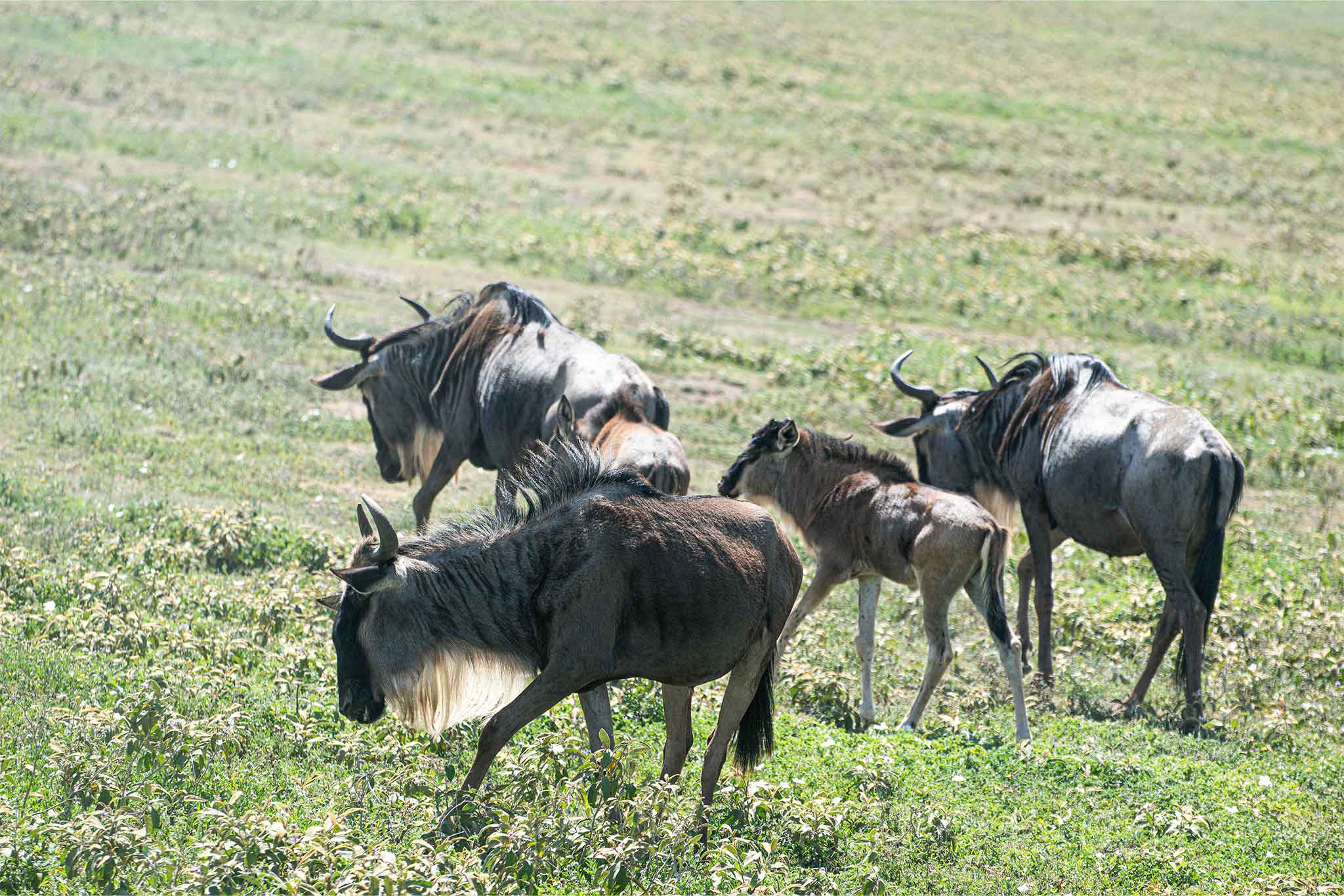
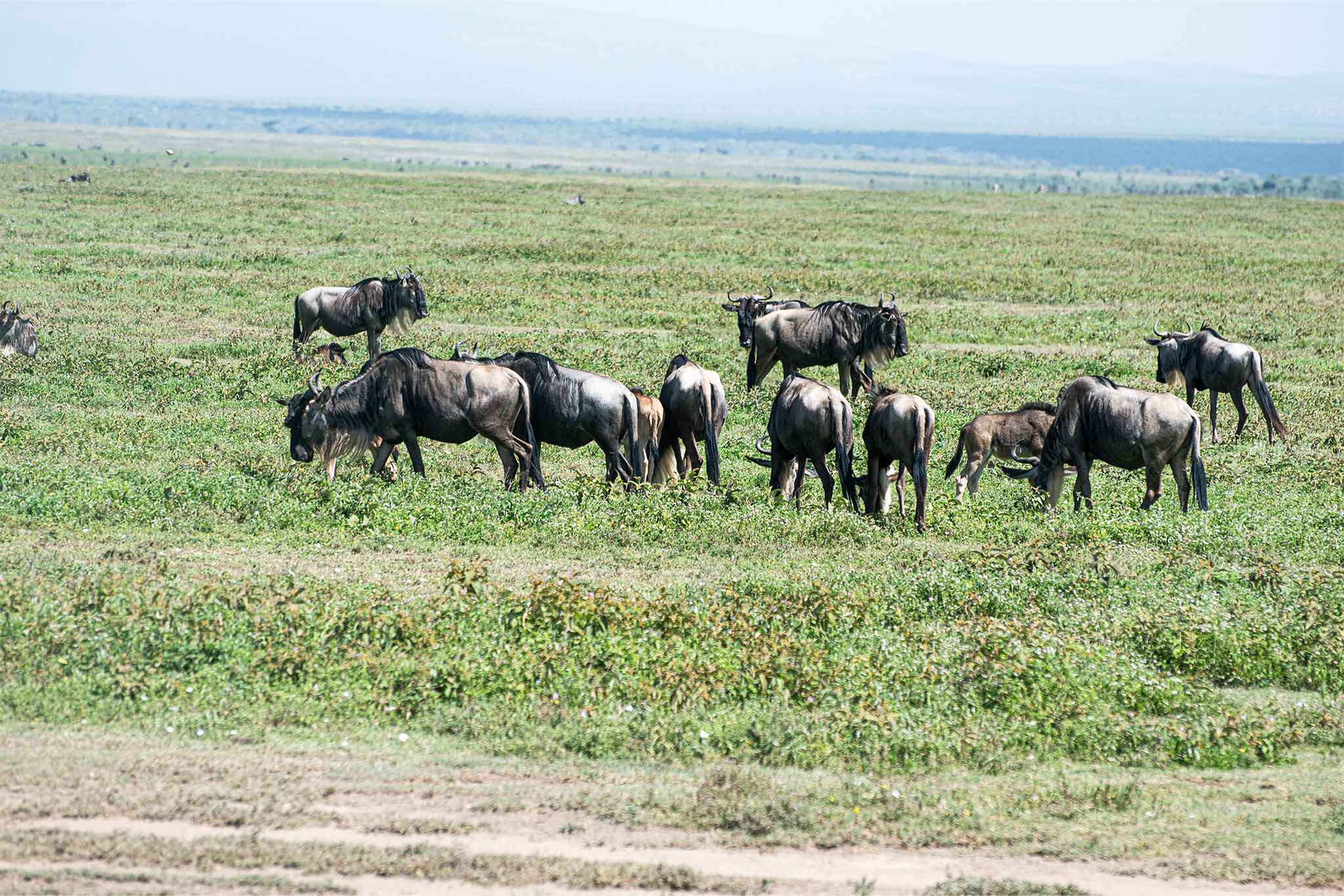
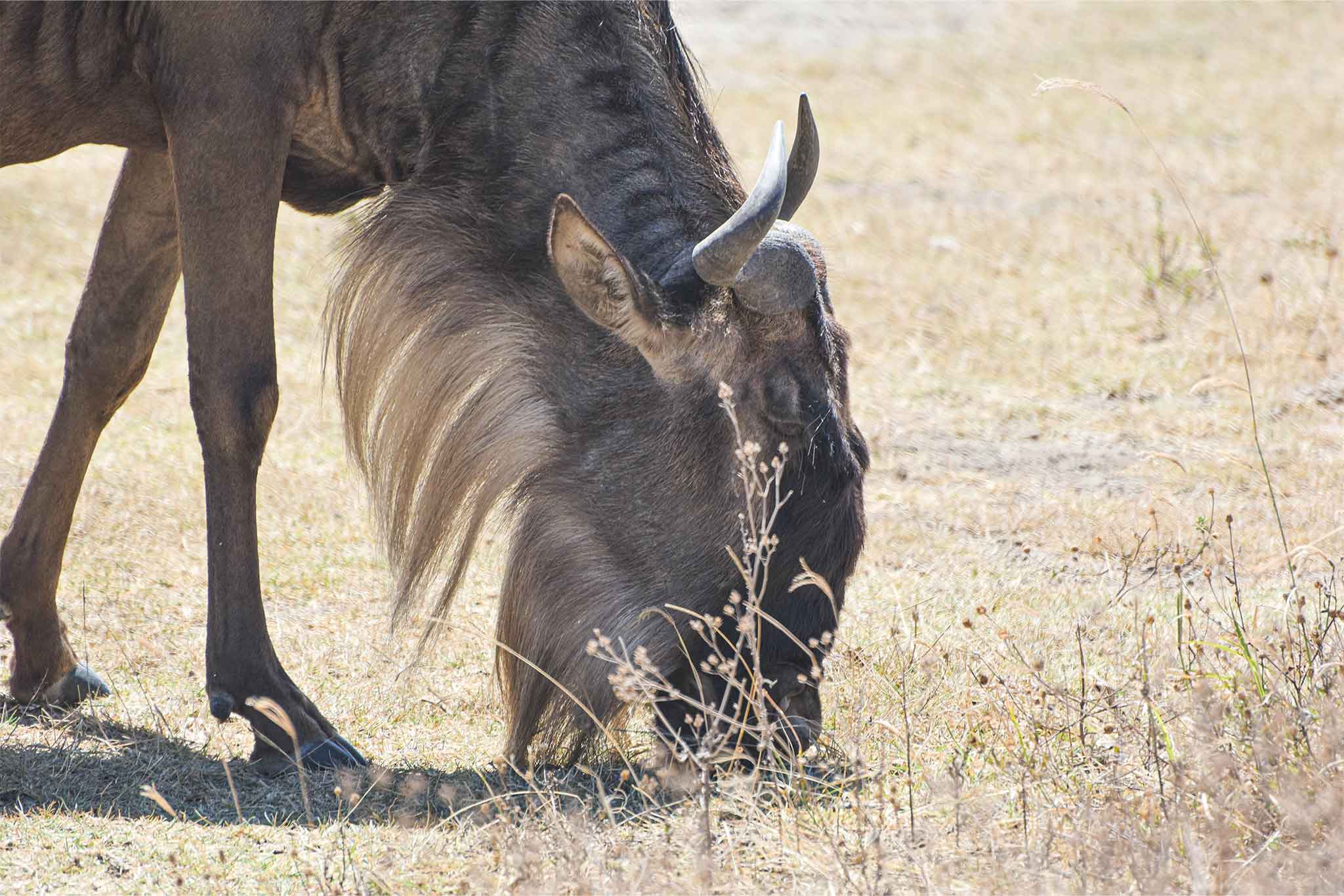
Every year, after the short rains turn the southern plains green, the great herds of the Serengeti gather on the short-grass plains around Ndutu to give birth. Within a few weeks, hundreds of thousands of wildebeest calves are born, most of them in a short window from late January to February. A calf can stand within minutes and run with the herd soon after, and watching this happen is one of the most moving sights in Africa.
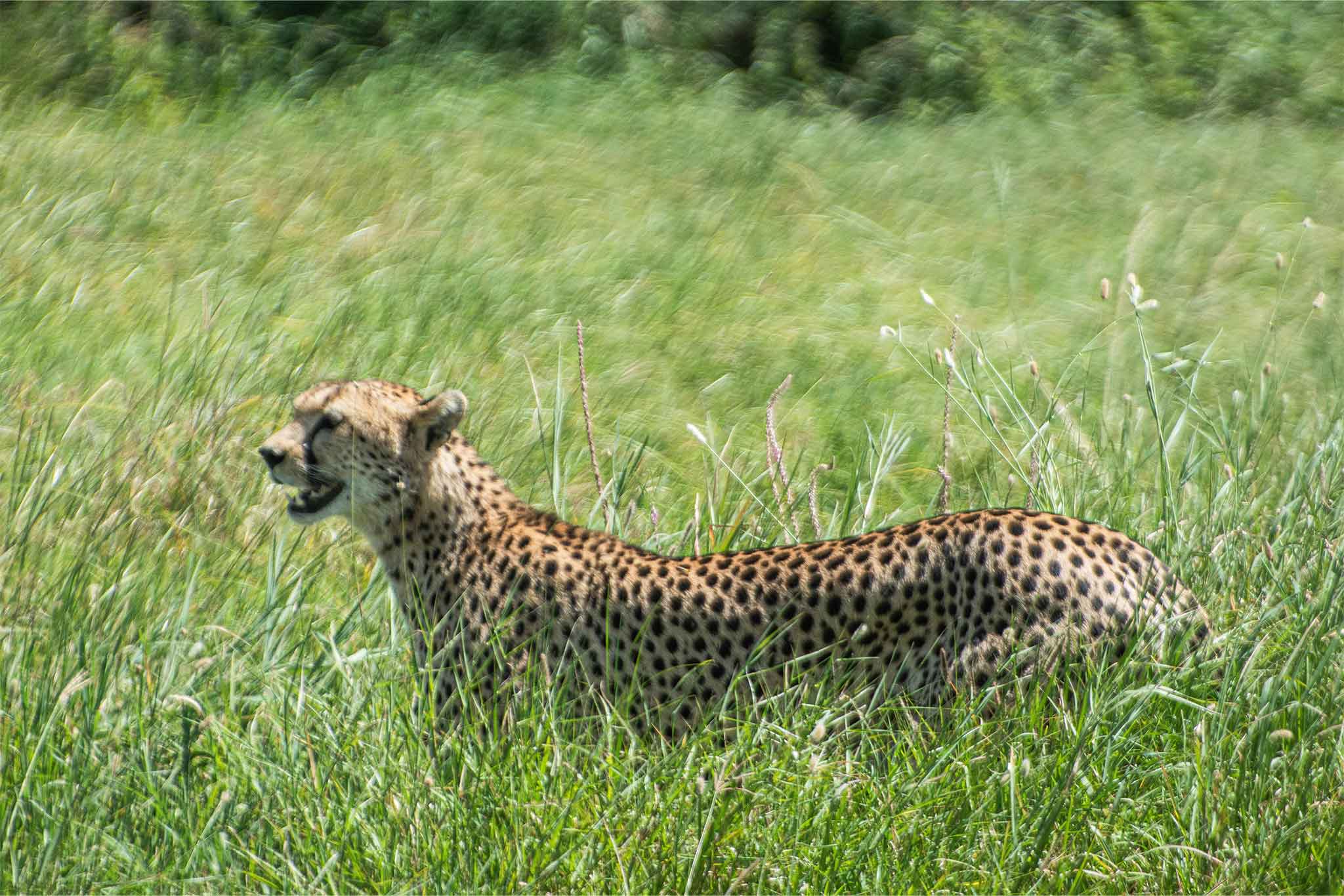
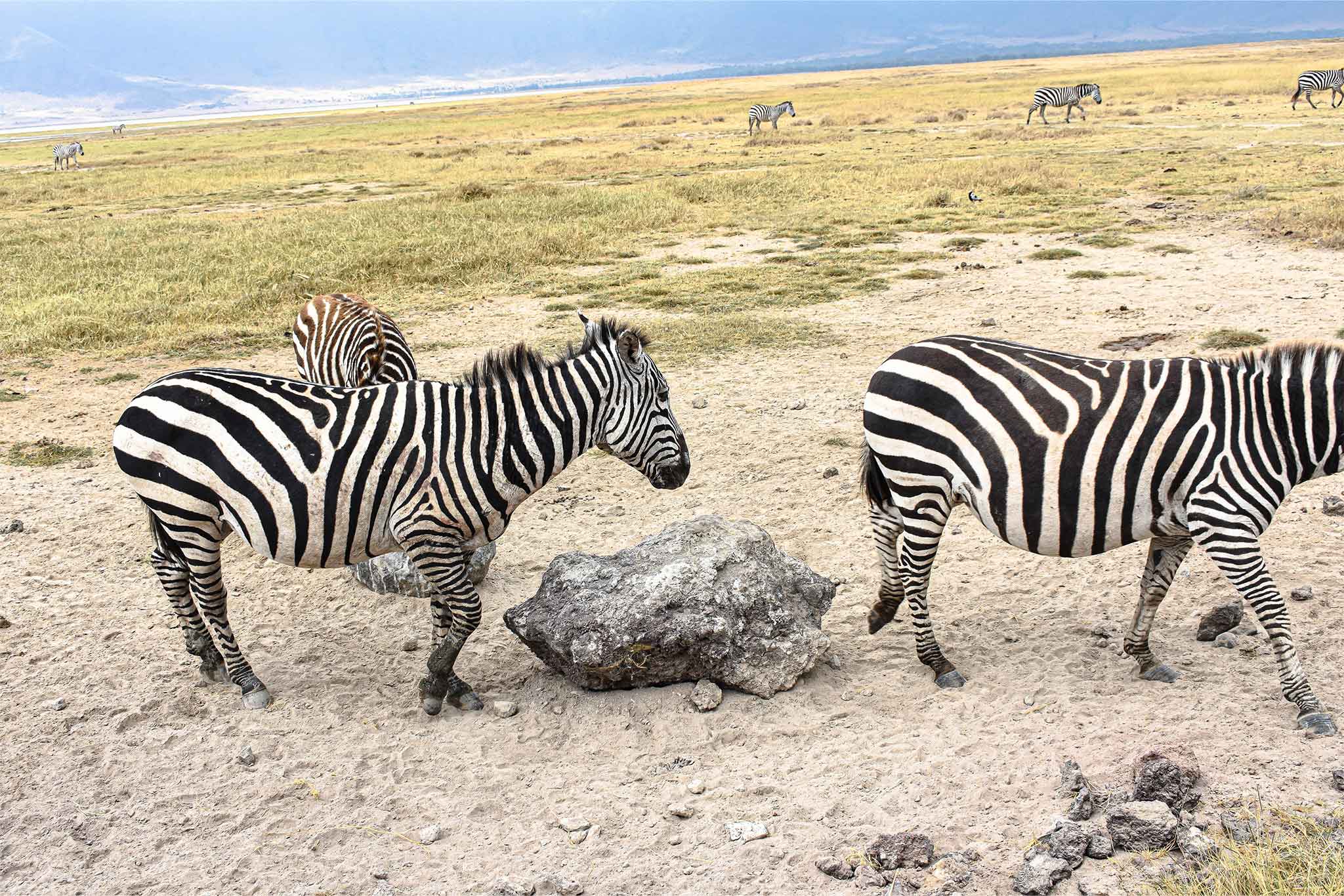
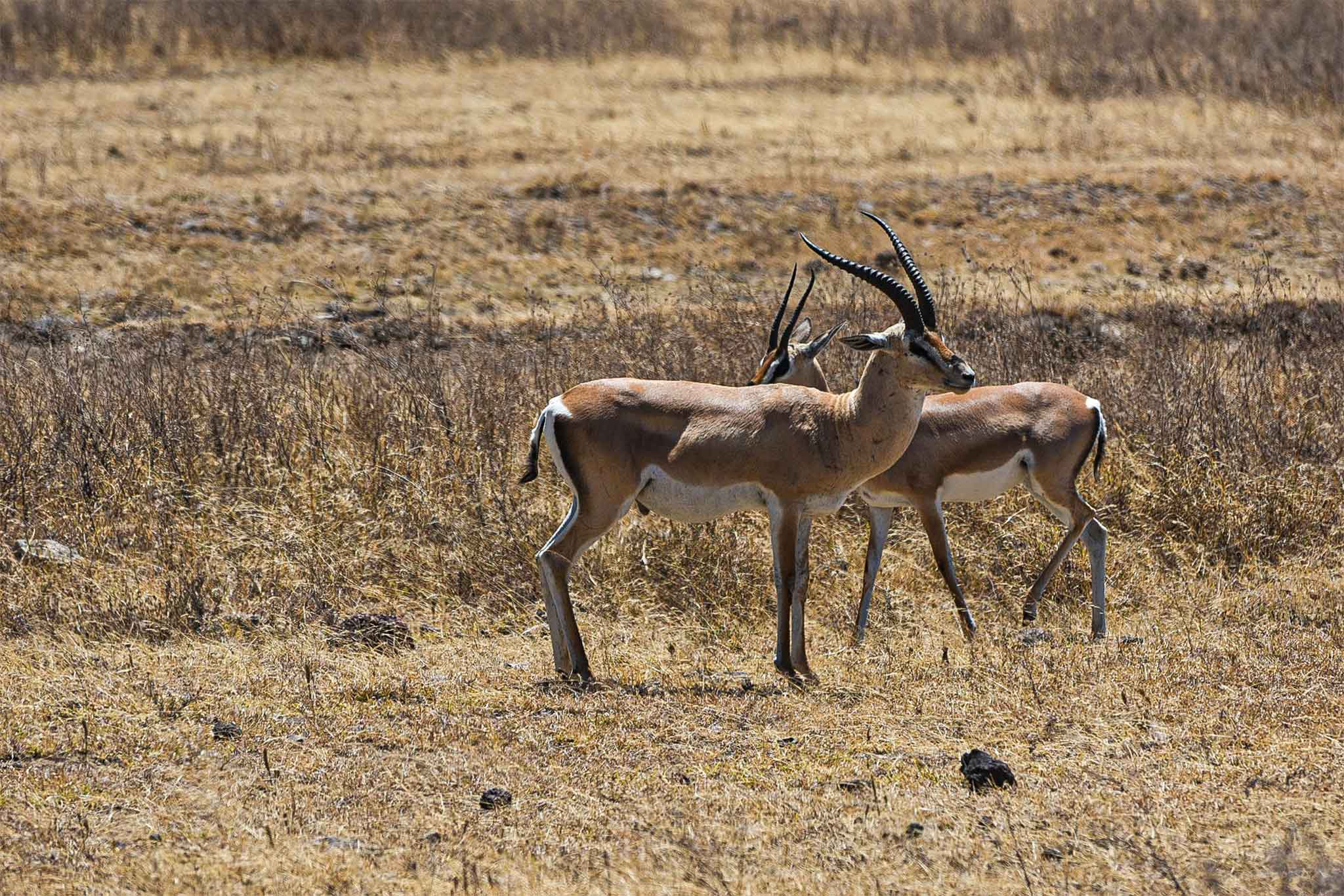
This safari puts you right there, with three nights in the Ndutu area, on the border of the Ngorongoro Conservation Area and the southern Serengeti. The plains are full of life: wildebeest and zebra as far as you can see, and the predators that follow them. Lions, cheetahs, hyenas and jackals are very active, and cheetah sightings on the open plains around Ndutu and the Gol Kopjes are among the best in Africa. Your guide follows the herds each day, with picnic lunches so you never have to leave the action.
The trip begins with Tarangire's elephants and baobabs and ends with a night in the central Serengeti, famous for its resident big cats, and a game drive in the Ngorongoro Crater. The green season also brings dramatic skies, carpets of flowers, migrant birds and fewer vehicles than the dry-season peak.
Highlights
The heart of this safari is three nights around Ndutu, where you spend full days among the herds as thousands of wildebeest calves are born each day at the peak of the season. You watch newborns stand within minutes and join the herd, with the open, green plains stretching to the horizon.
So much new life attracts predators, and the calving season offers some of the best lion, cheetah and hyena sightings in Africa. The safari also includes Tarangire's elephants, the resident big cats of the central Serengeti and a final game drive in the Ngorongoro Crater.
Discover Tanzania
Crafted for you
Tailor make your trip with iTour Tanzania
Every journey can be shaped around your pace, lodges, and must-do moments. Tell us what matters most and we will build it with you.
Build your tripYour adventure begins
A taste of what to expect on this journey
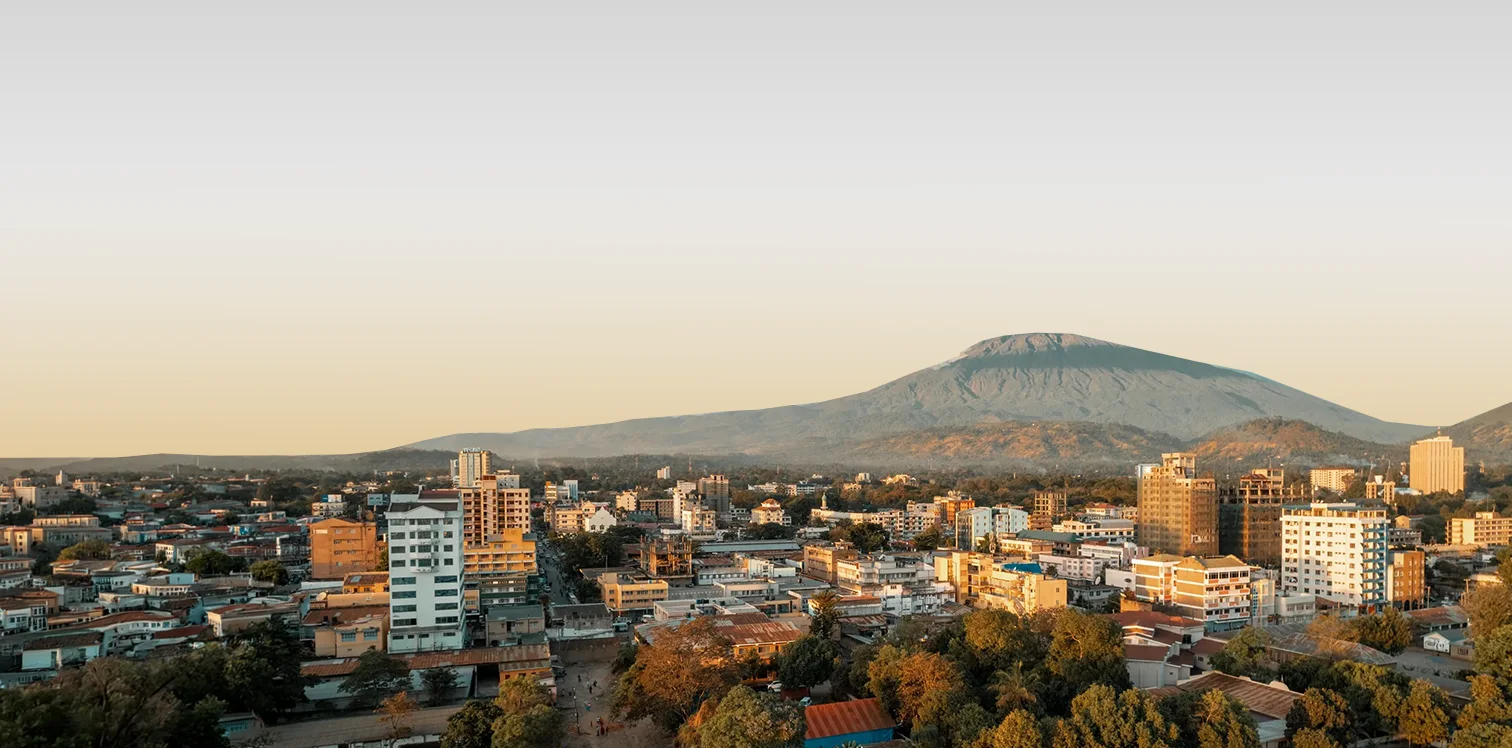
Arrival in Arusha
Transfer ~1 hr
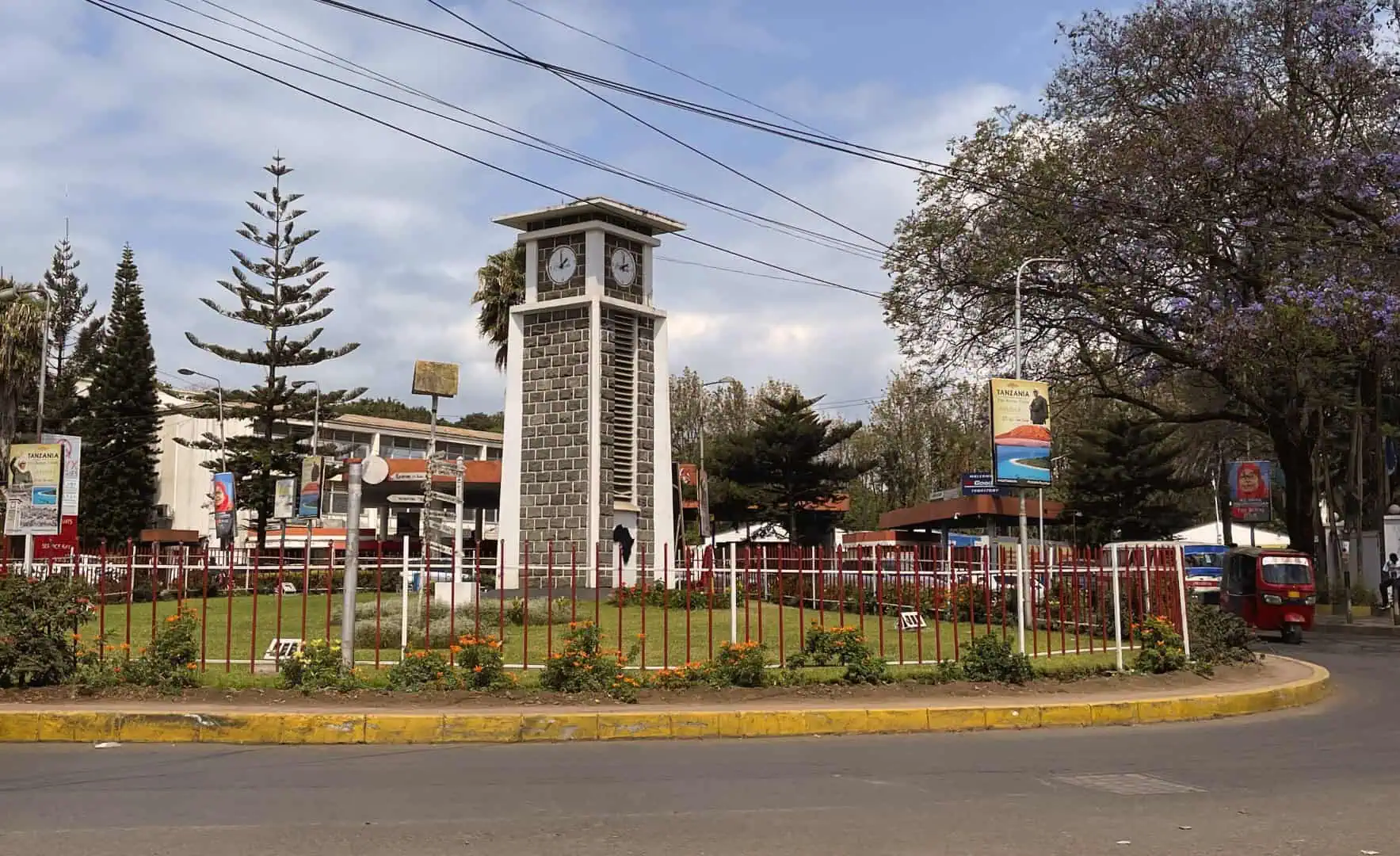
Karibu! Your safari guide meets you outside the arrivals hall at Kilimanjaro International Airport. In the green season, the countryside on the drive to Arusha is lush, with farmers busy in their fields.
After checking in to your hotel, take the rest of the day easy. A garden walk or a nap is the perfect cure for a long flight.
Over dinner, your guide tells you what makes the calving season special and how you will spend your days on the plains: early starts, picnic lunches and plenty of patience with the herds.
Meals: Dinner
Arusha to Tarangire National Park
Drive ~2 hrs
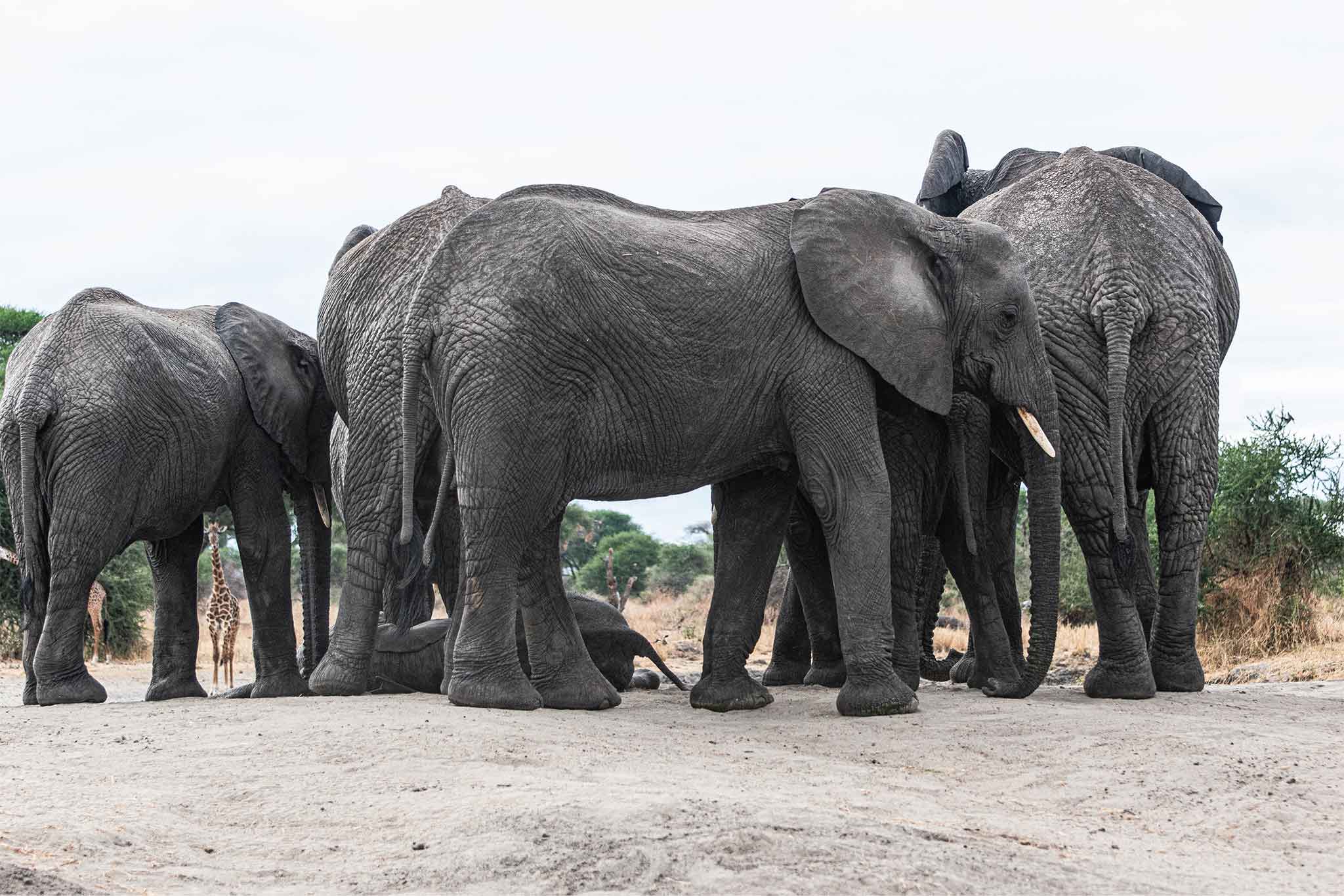
After breakfast, drive about 2 hours to Tarangire National Park. In the green season, the park is lush and beautiful, with flowering plants, migratory birds from Europe and Asia, and newborn animals.
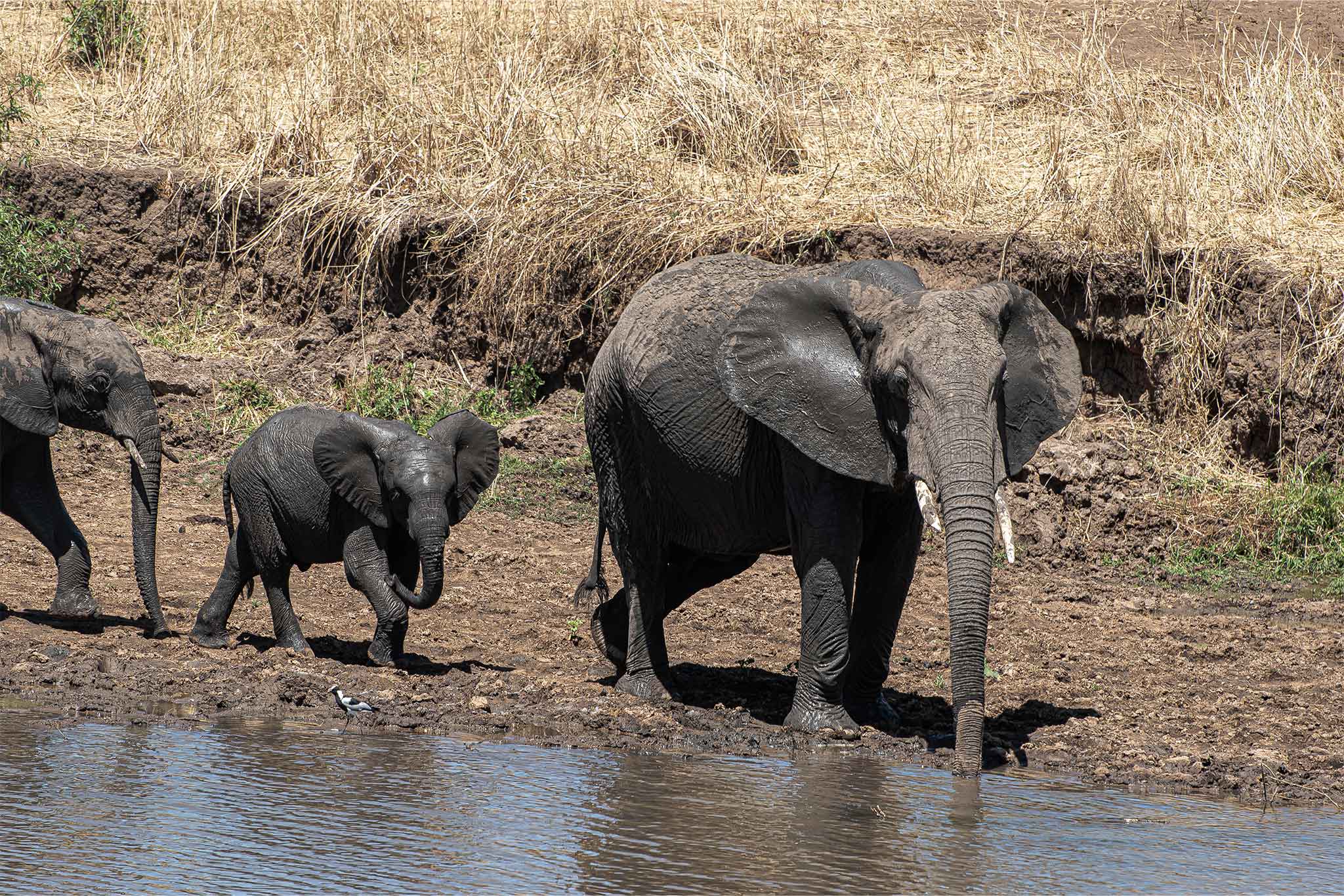
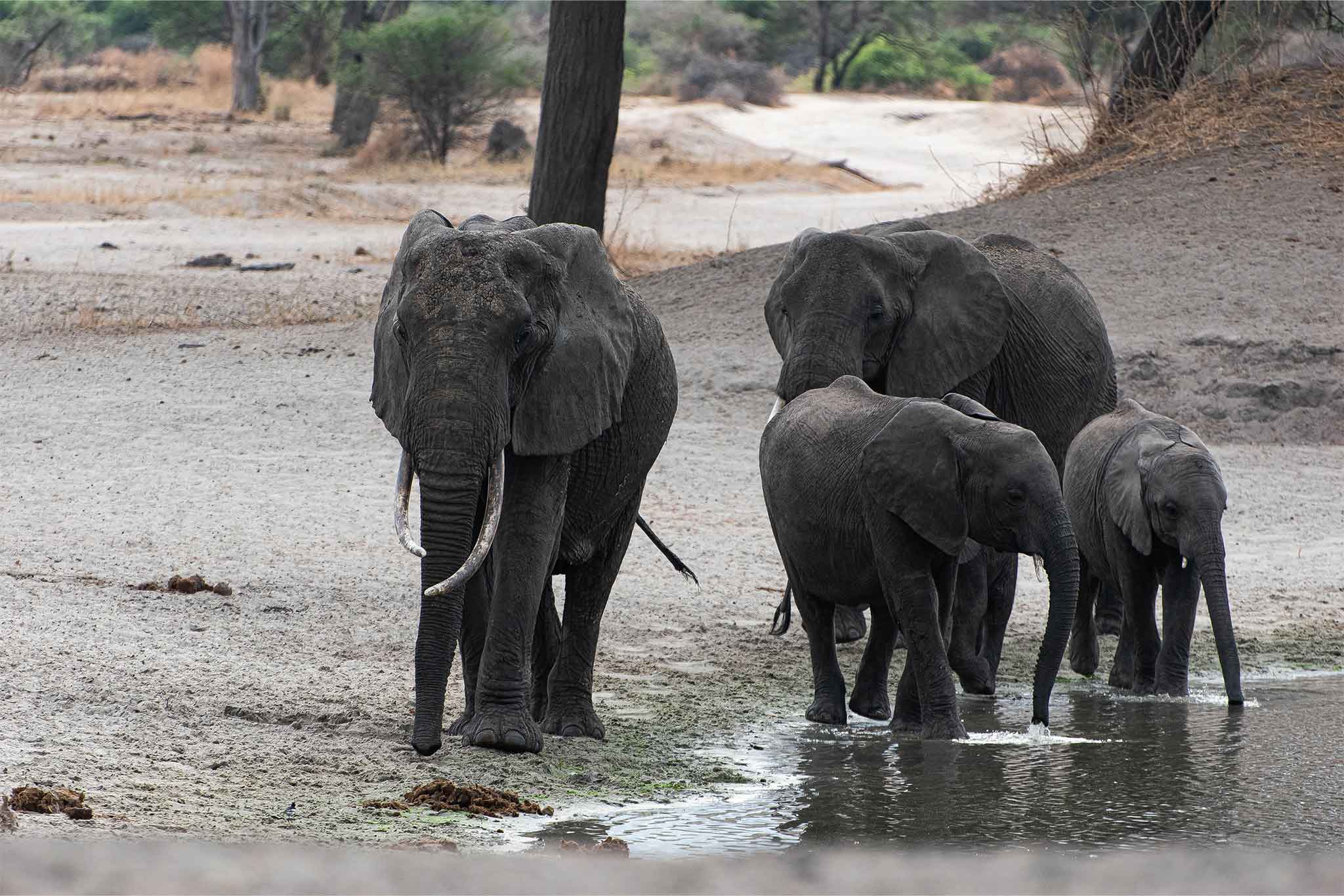
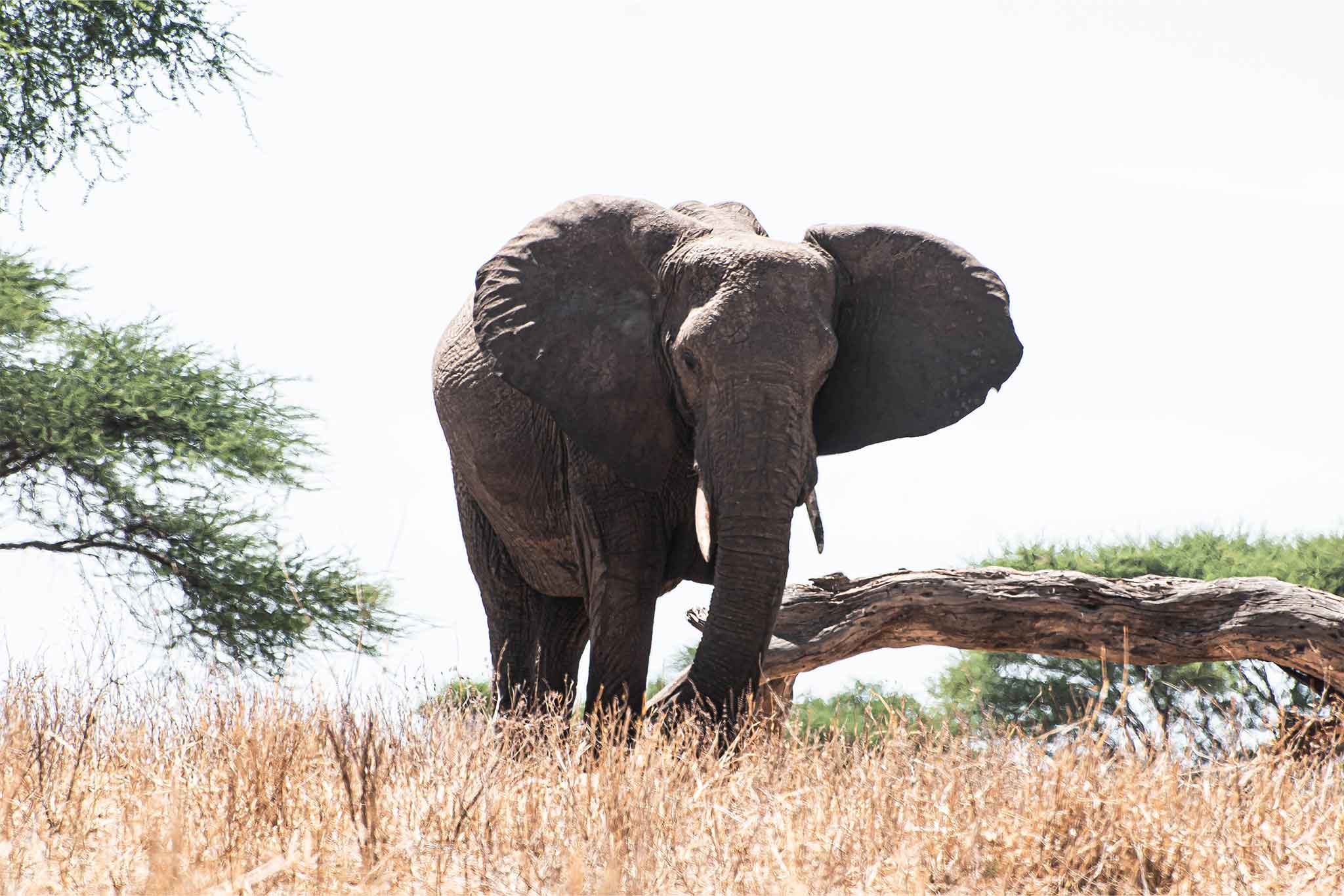
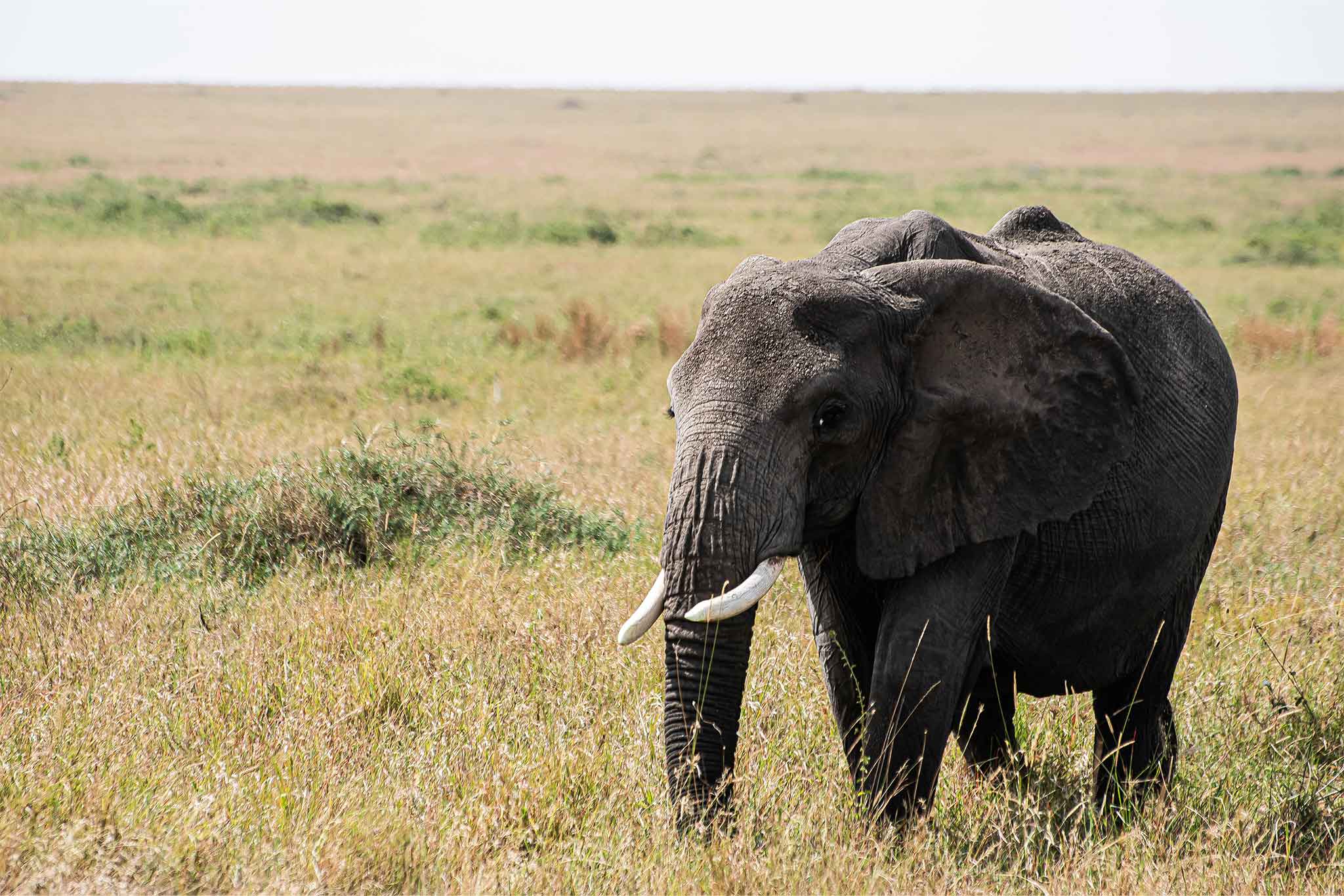
Spend the day on game drives among the giant baobabs, looking for elephant, giraffe, zebra, lion and leopards. Tarangire is one of the best parks in Tanzania for birdwatching, with over 500 species recorded. Enjoy a picnic lunch overlooking the Tarangire River.
In the late afternoon, drive to your lodge in or near the park for dinner and the night.
Meals: Breakfast, Lunch, Dinner
Tarangire to Ndutu
Drive 5–6 hrs with game viewing
Leave after an early breakfast and climb the Rift Valley escarpment to the green Ngorongoro highlands, stopping at the crater rim viewpoint. Descend through the conservation area, where Maasai herders graze their cattle alongside zebra and gazelle.
Leave the main road and head south-west towards Lake Ndutu, at the meeting point of the Ngorongoro Conservation Area and the southern Serengeti. Picnic lunch on the plains.
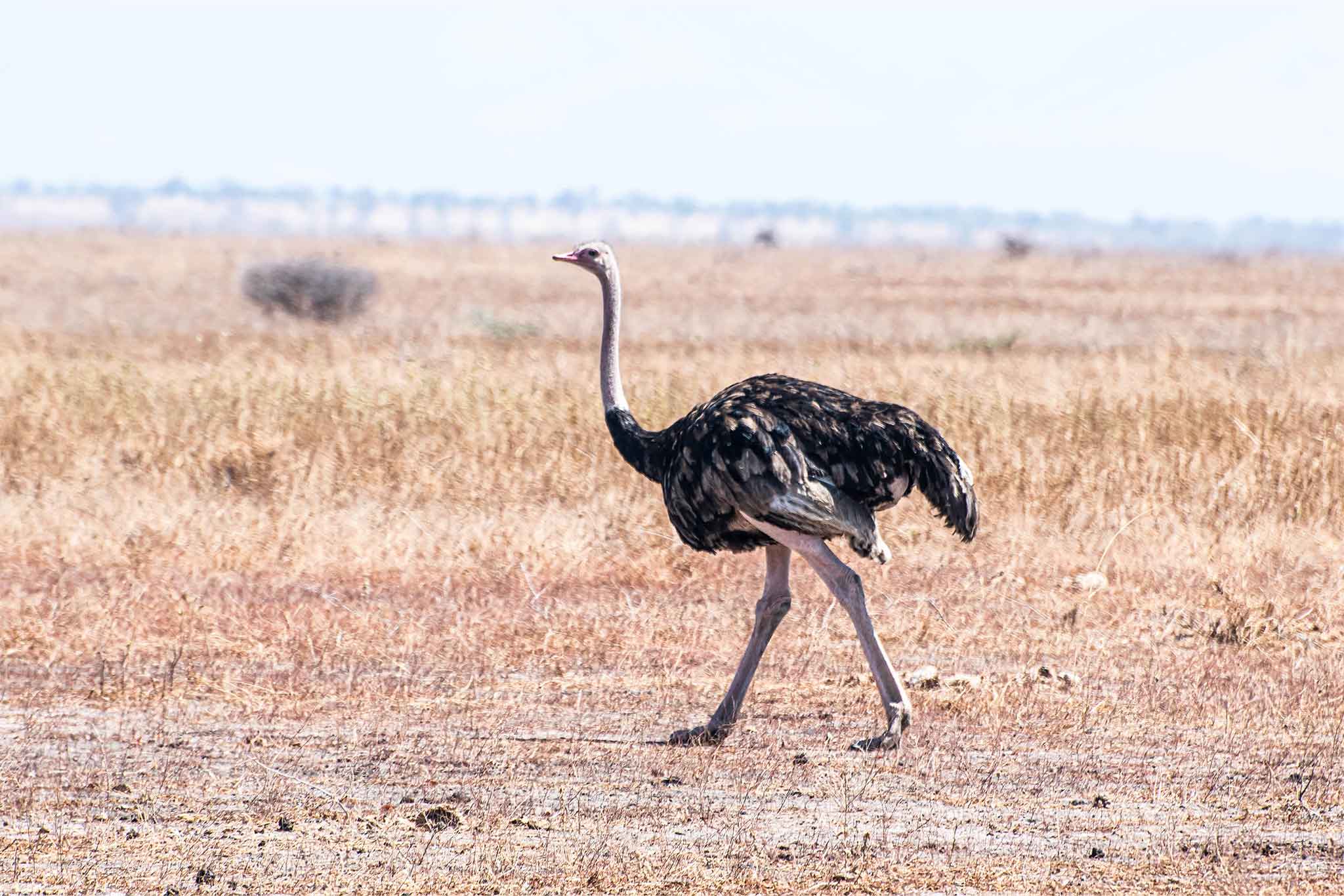
In the afternoon, game drive as you meet the first herds of wildebeest and zebra spread across the short-grass plains. Arrive at your lodge or seasonal camp around Ndutu, where you spend the next three nights.
Meals: Breakfast, Lunch, Dinner
Full day in the calving area
Full-day game drives
Leave camp at first light with a packed breakfast, as early morning is when most calves are born and predators are most active.
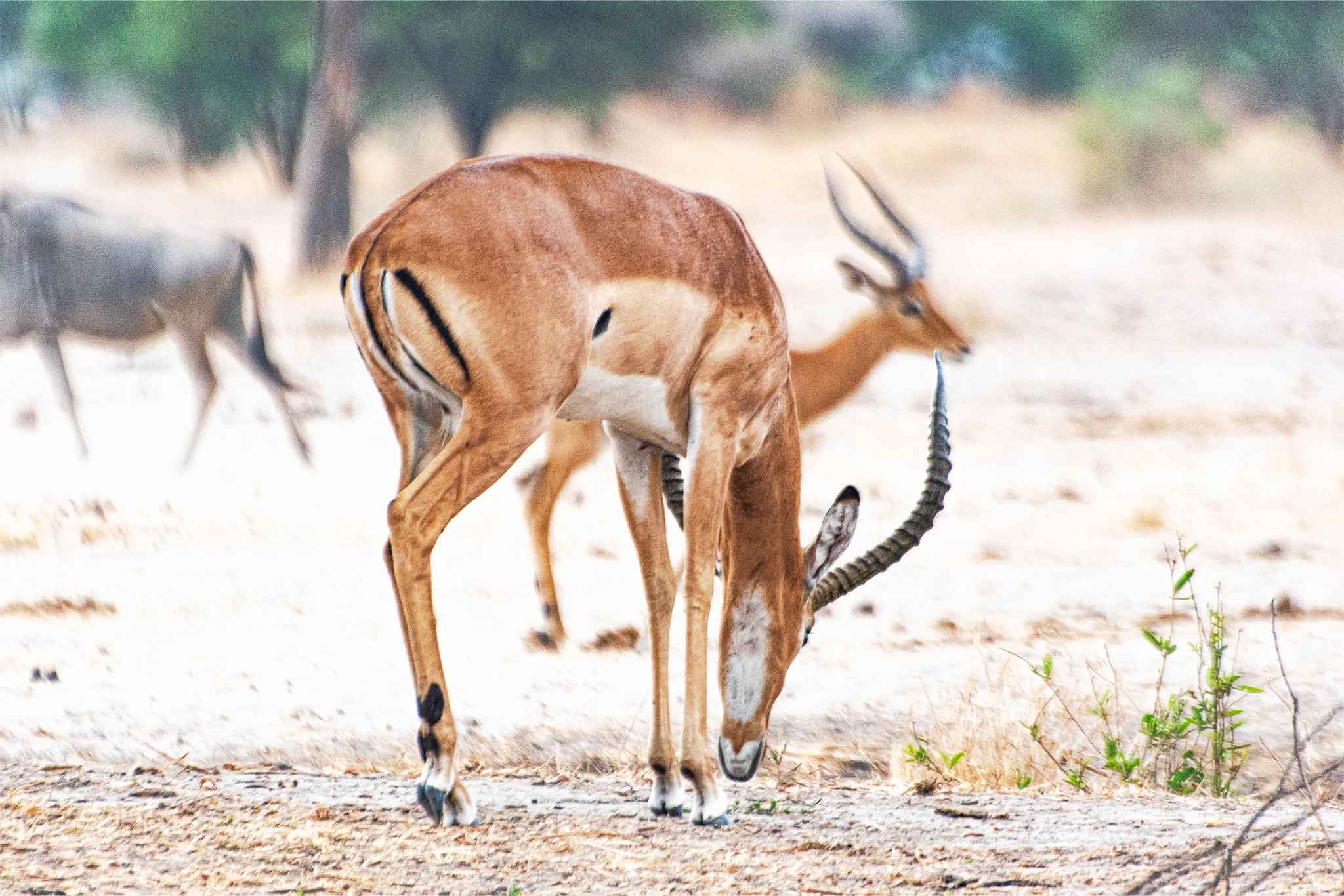
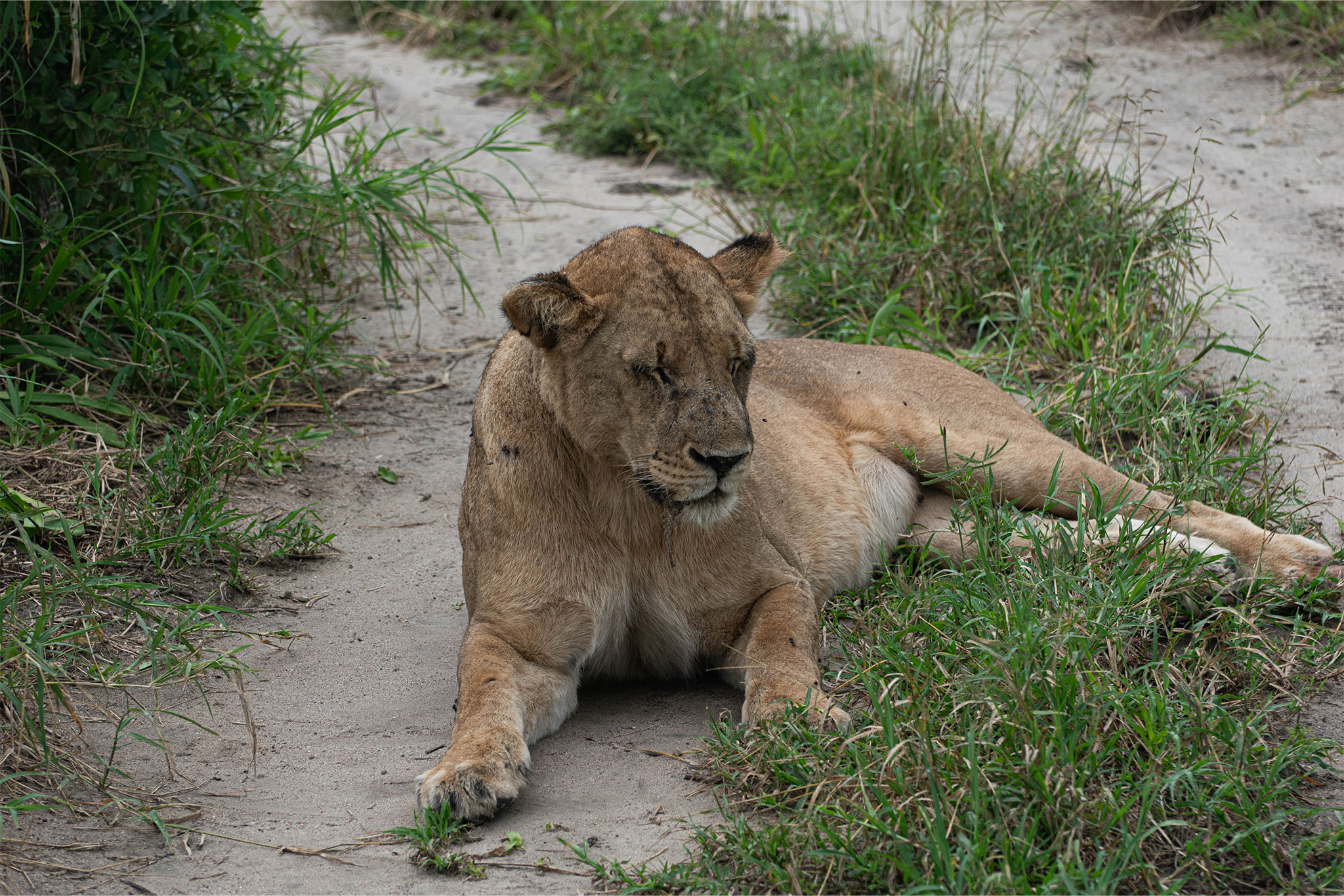
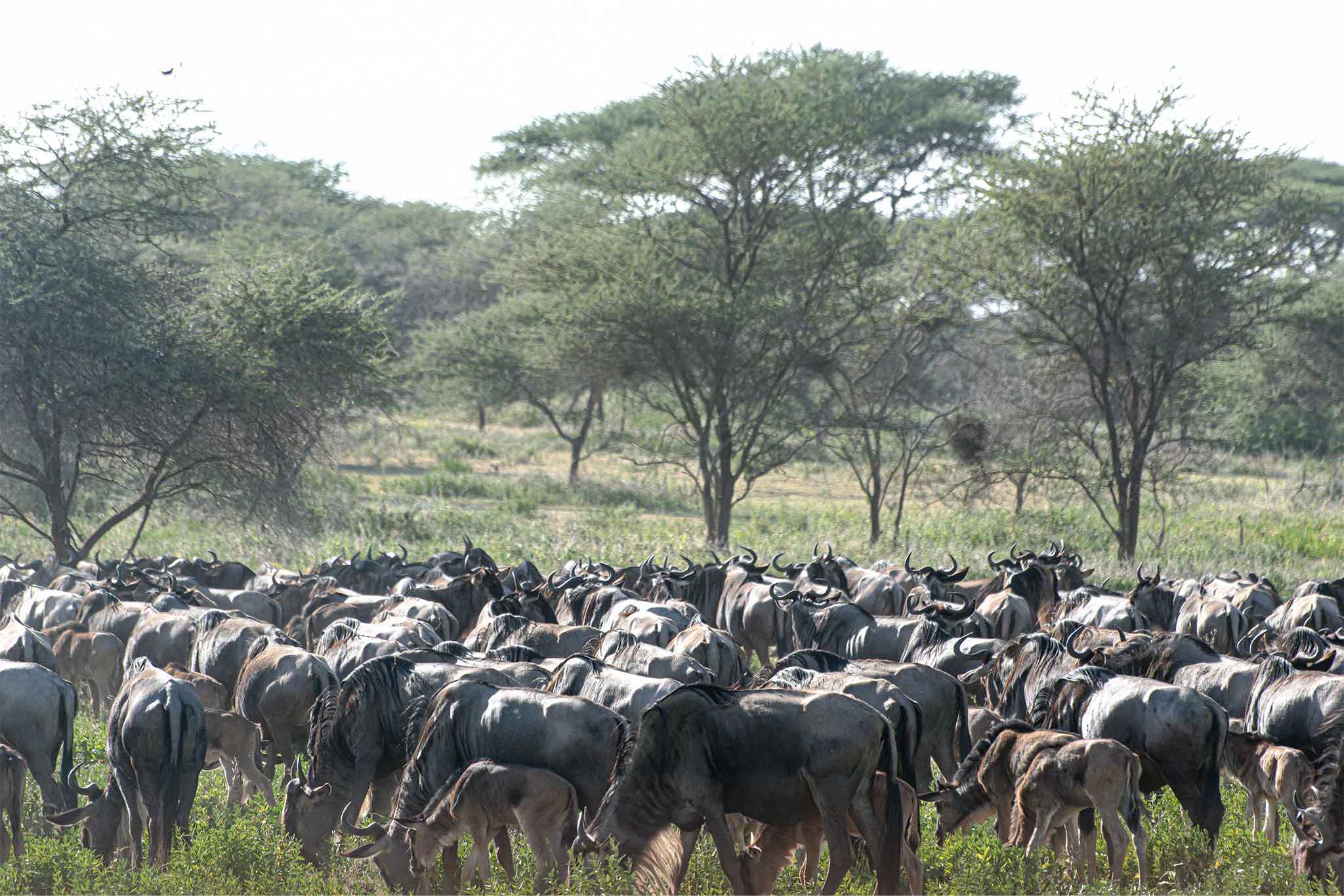
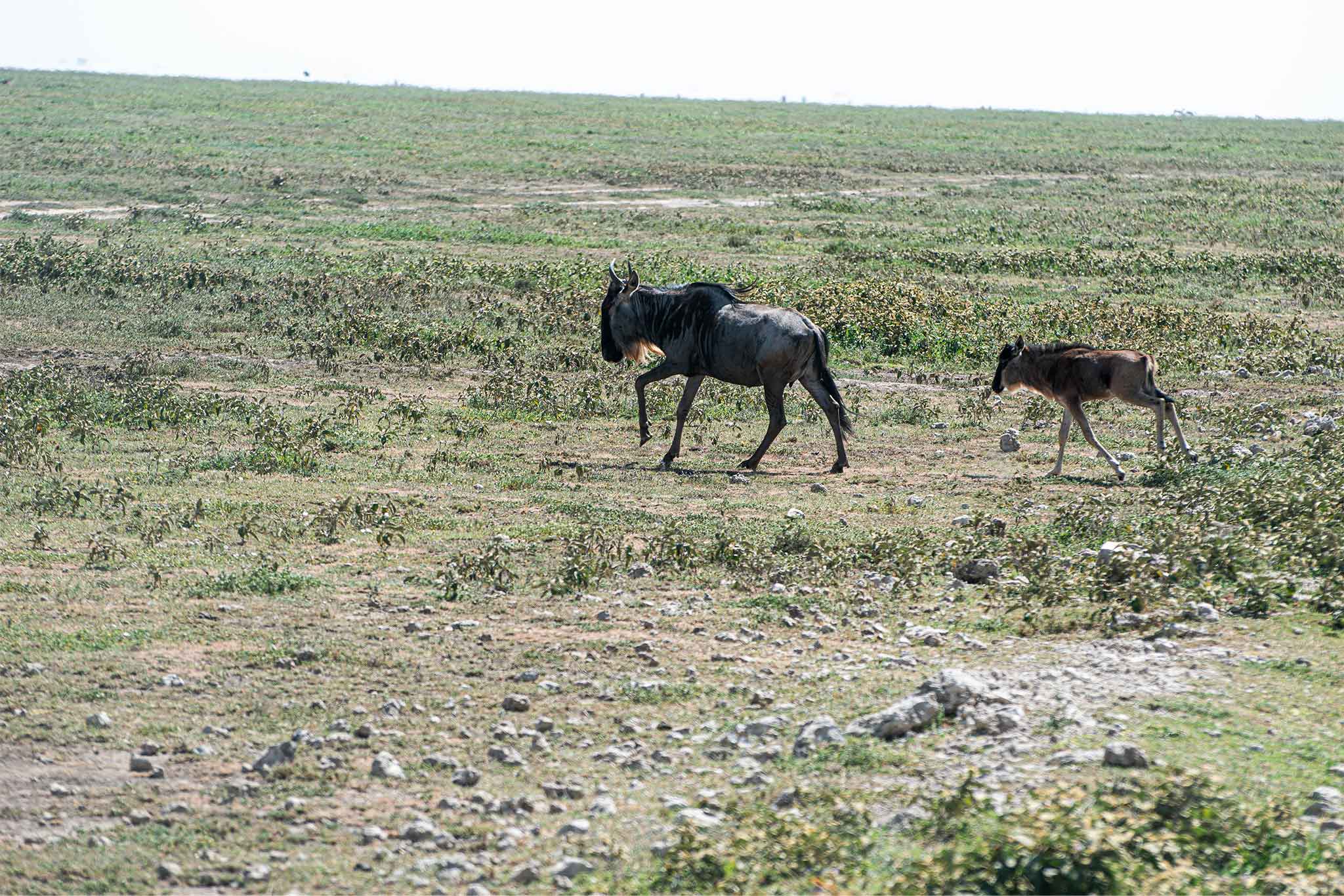
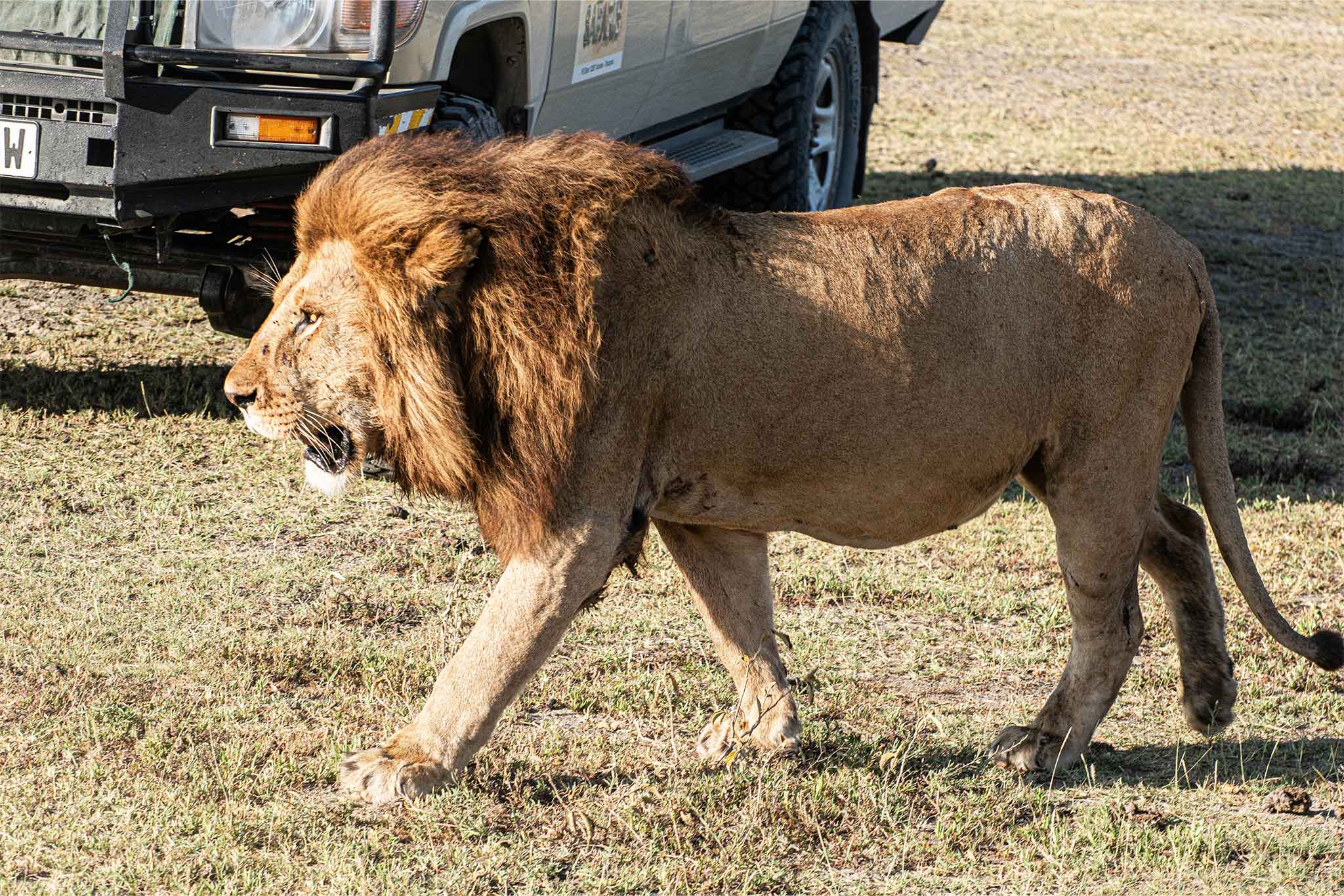
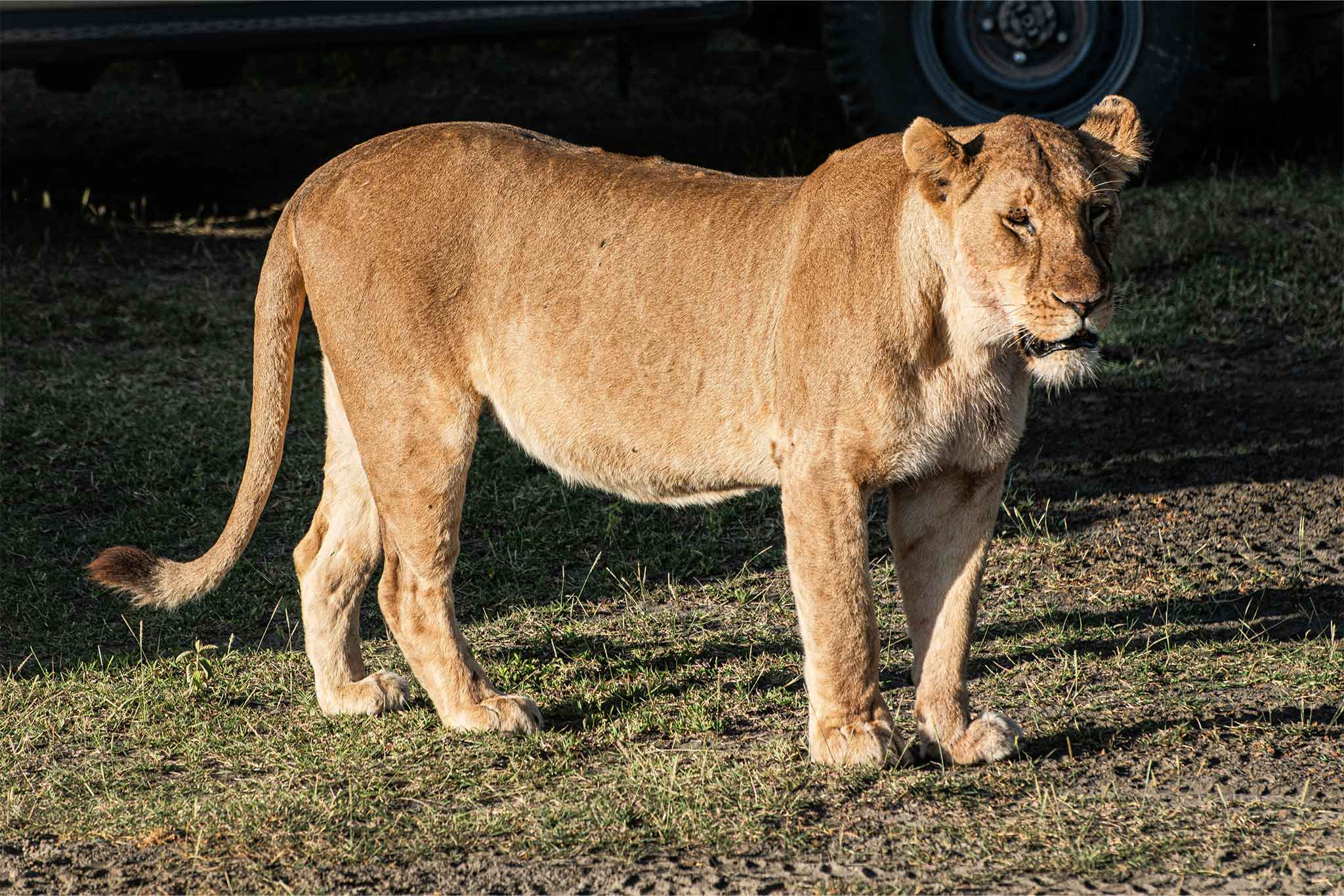
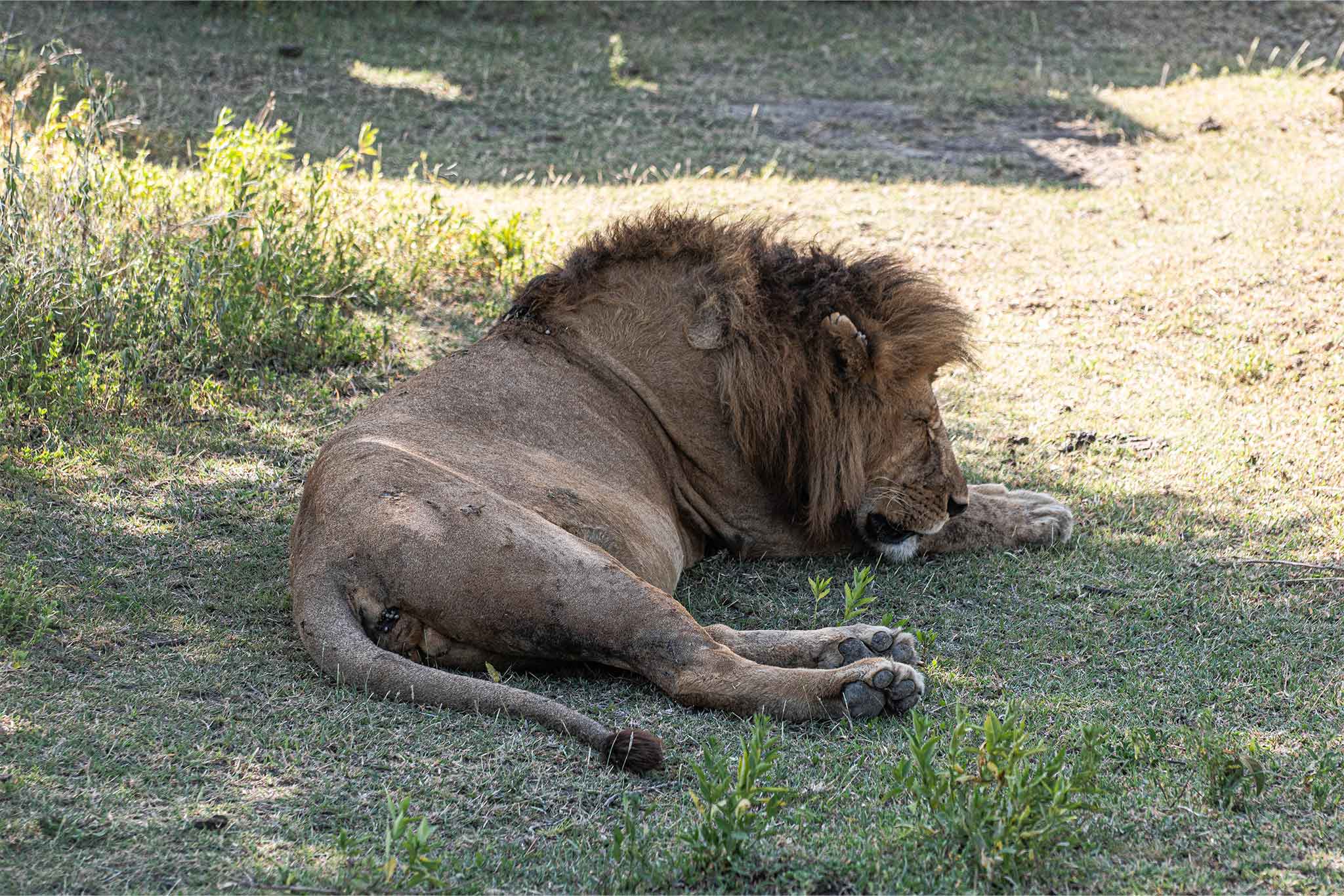
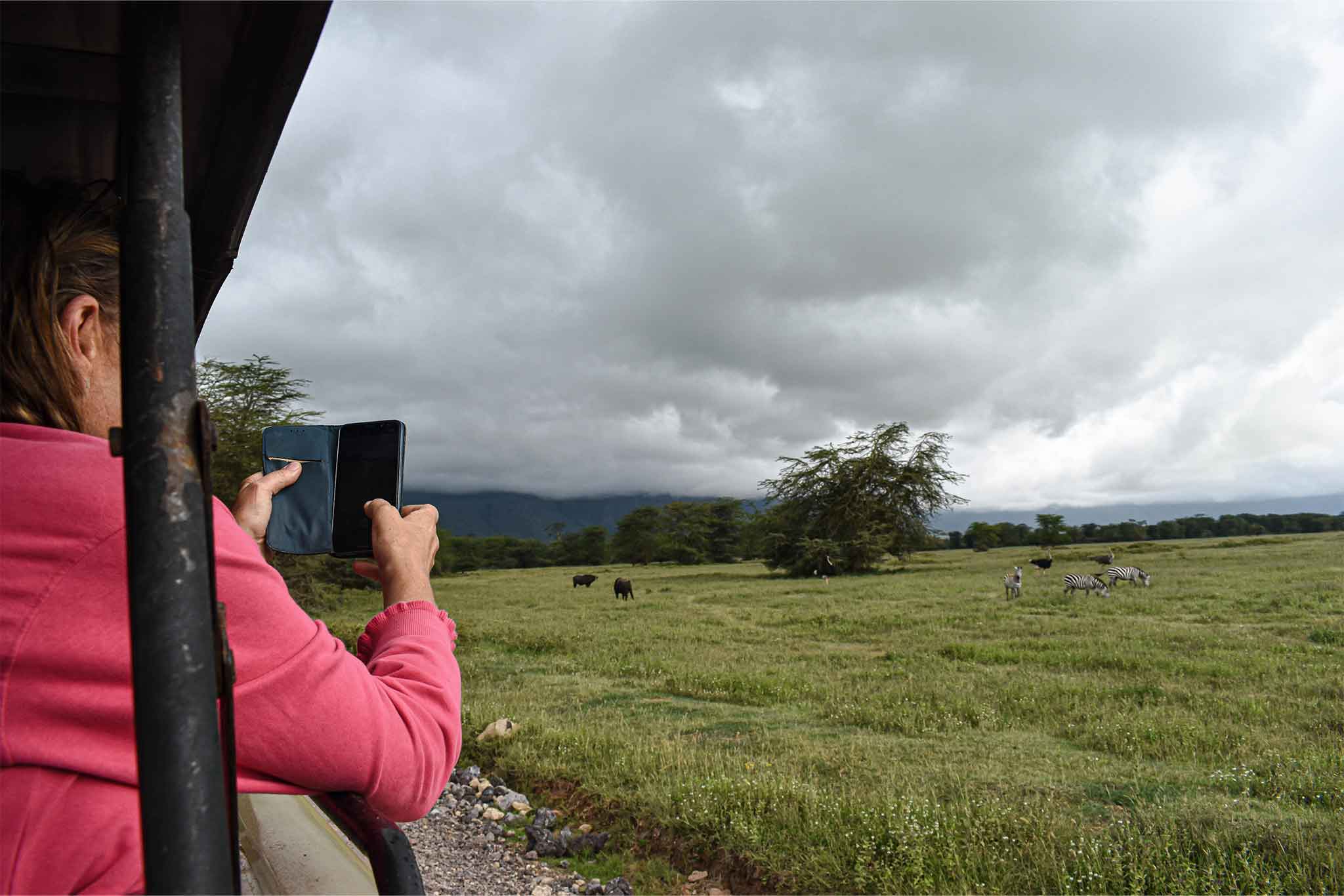
Spend the whole day among the herds. Watch mothers giving birth and newborn calves standing within minutes and running with the herd soon after. With so many young animals around, lions, cheetahs, hyenas, and jackals are very active, and hunts are common. Your guide reads the herds and positions you for the best views. Enjoy a picnic lunch on the plains, surrounded by wildlife.
Return to camp in the late afternoon. Watch the sunset over Lake Ndutu, often with giraffes and elephants around the lake, before dinner.
Meals: Breakfast, Lunch, Dinner
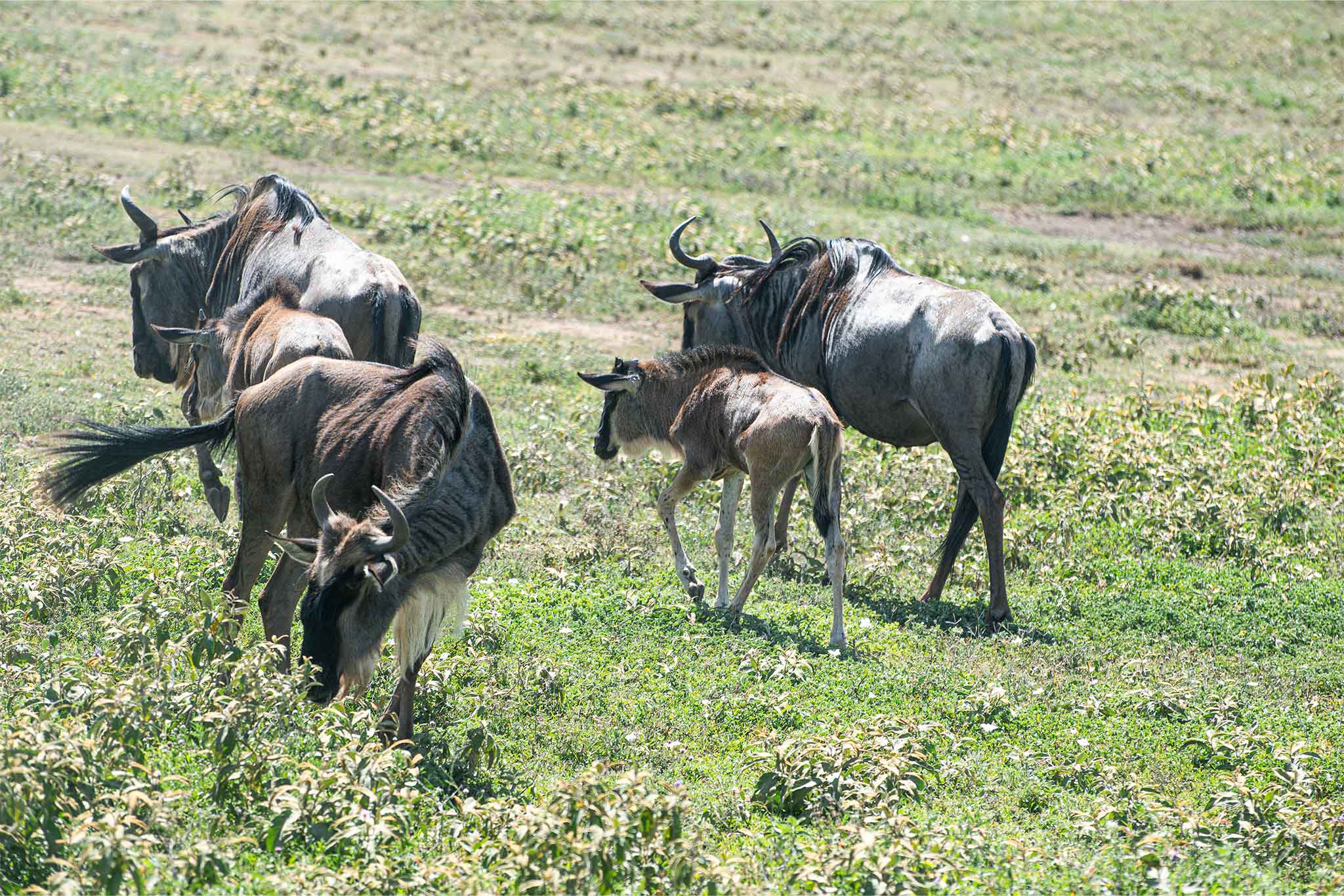
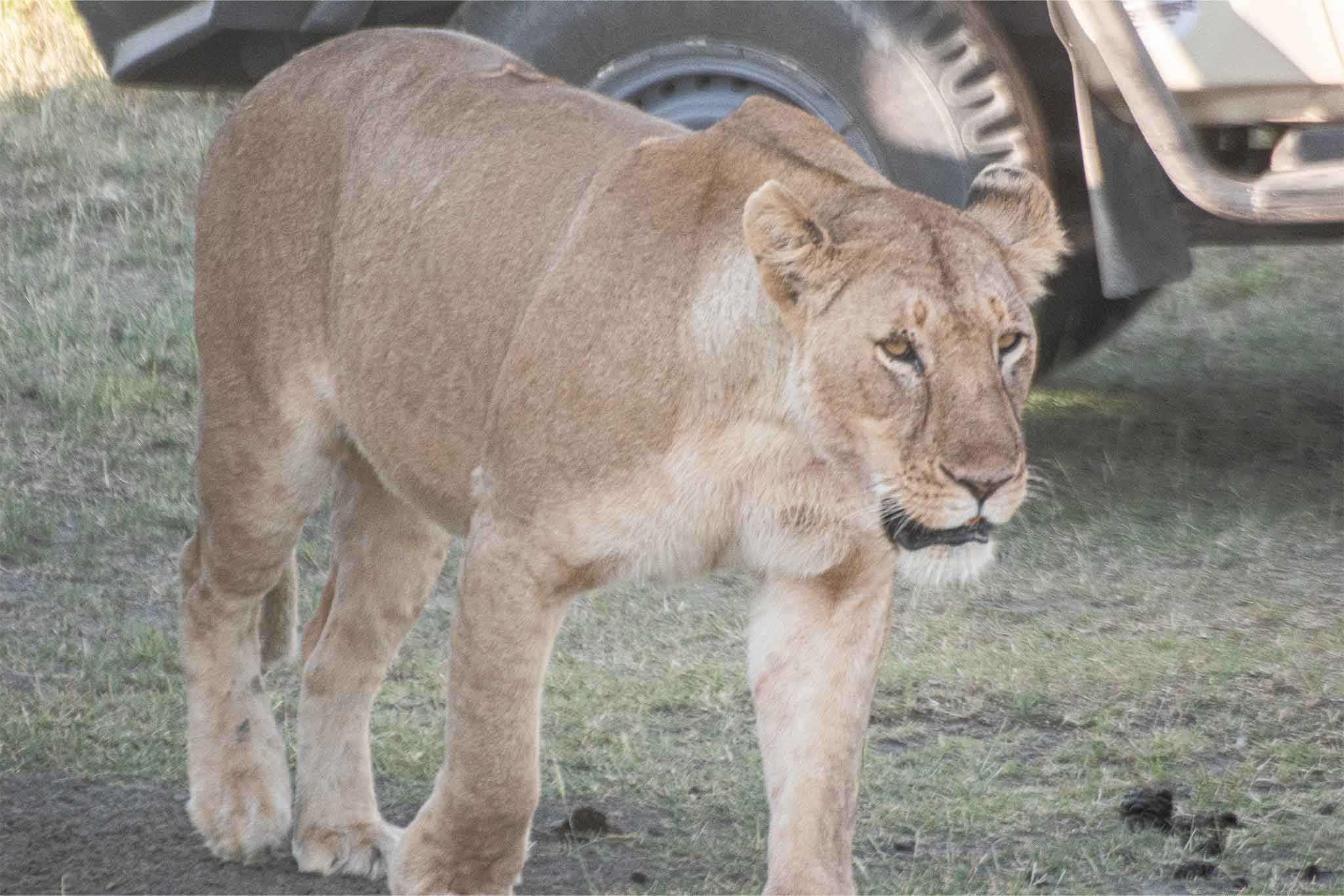
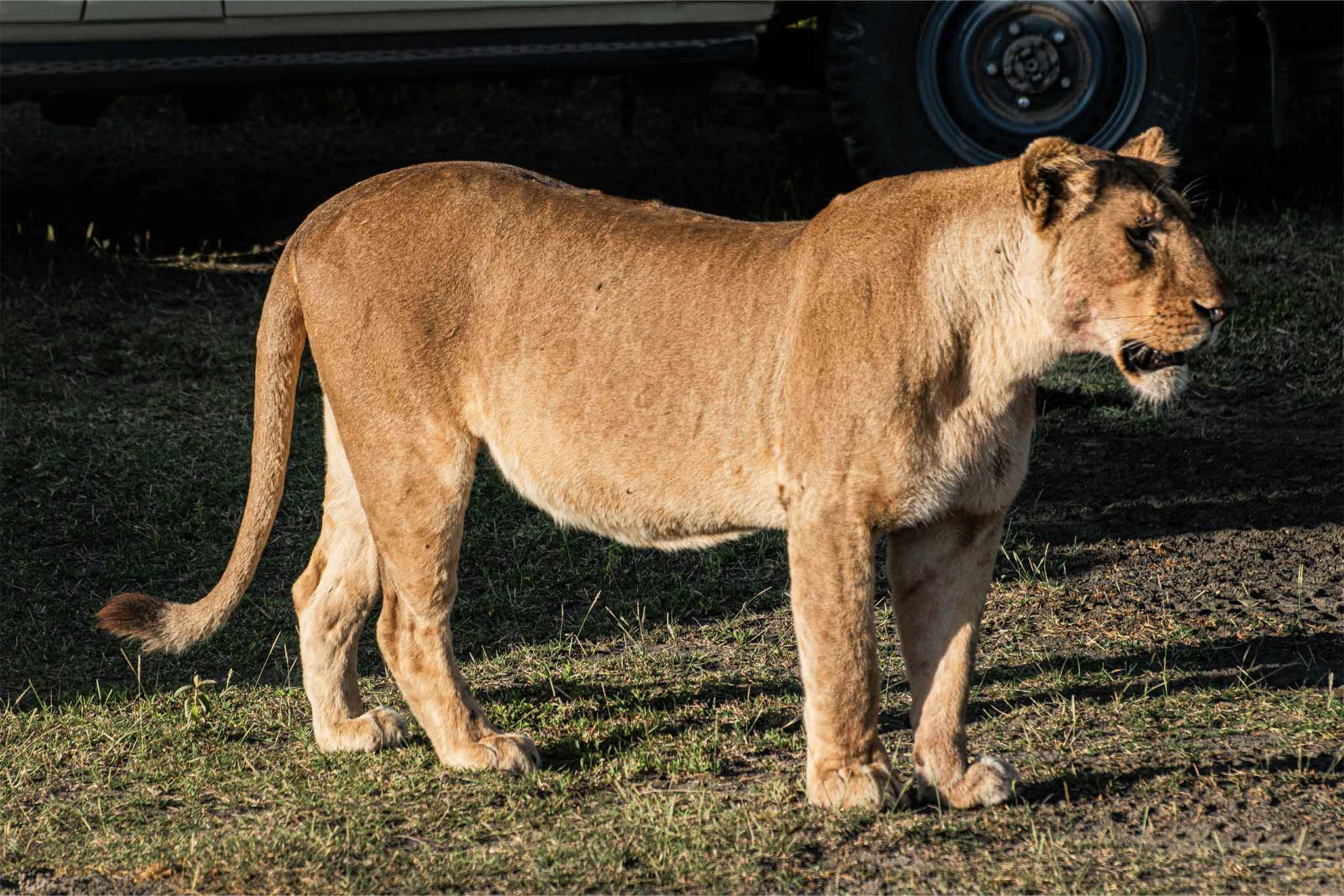
Ndutu, the Gol Kopjes and the southern plains
Full-day game drives
Another full day following the herds, which move daily in search of fresh grass. Depending on where they are, your guide may head towards the Gol Kopjes, granite outcrops on the open plains, or the area around Naabi Hill and Kusini.
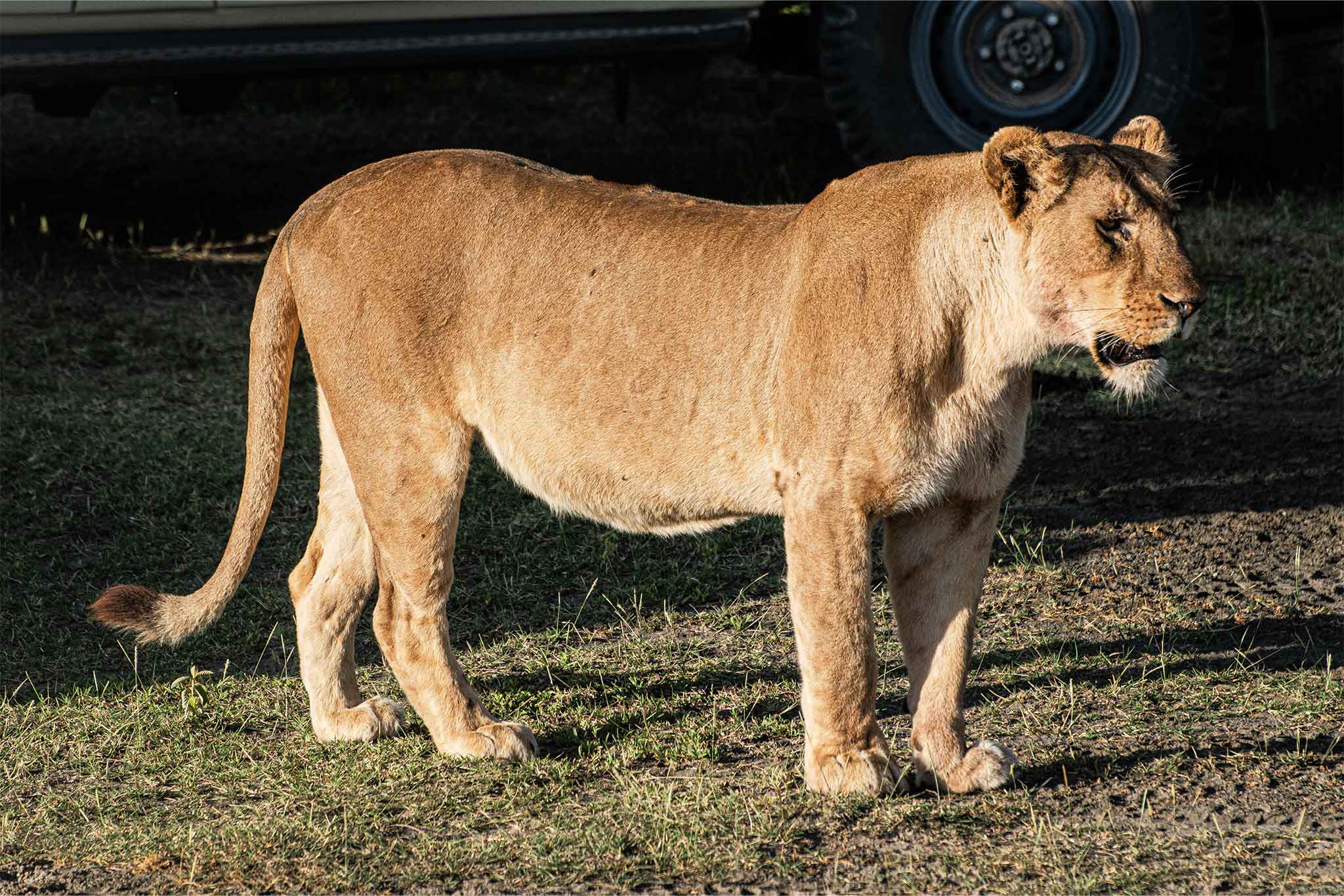
The kopjes and open plains are excellent for cheetah, which use the rocks as lookouts, and for lion prides and birds of prey such as tawny eagles and vultures. Around the woodlands of Lake Ndutu and Lake Masek, look for leopard, giraffe and elephant. Enjoy another picnic lunch in the bush.
Return to camp in the late afternoon. Enjoy a sundowner and dinner, with the calls of hyenas and wildebeest in the night.
Meals: Breakfast, Lunch, Dinner
Ndutu to Central Serengeti
Drive 3–4 hrs with game viewing
Enjoy a final early morning with the herds. After breakfast, drive north via Naabi Hill Gate to the Seronera Valley in the central Serengeti.
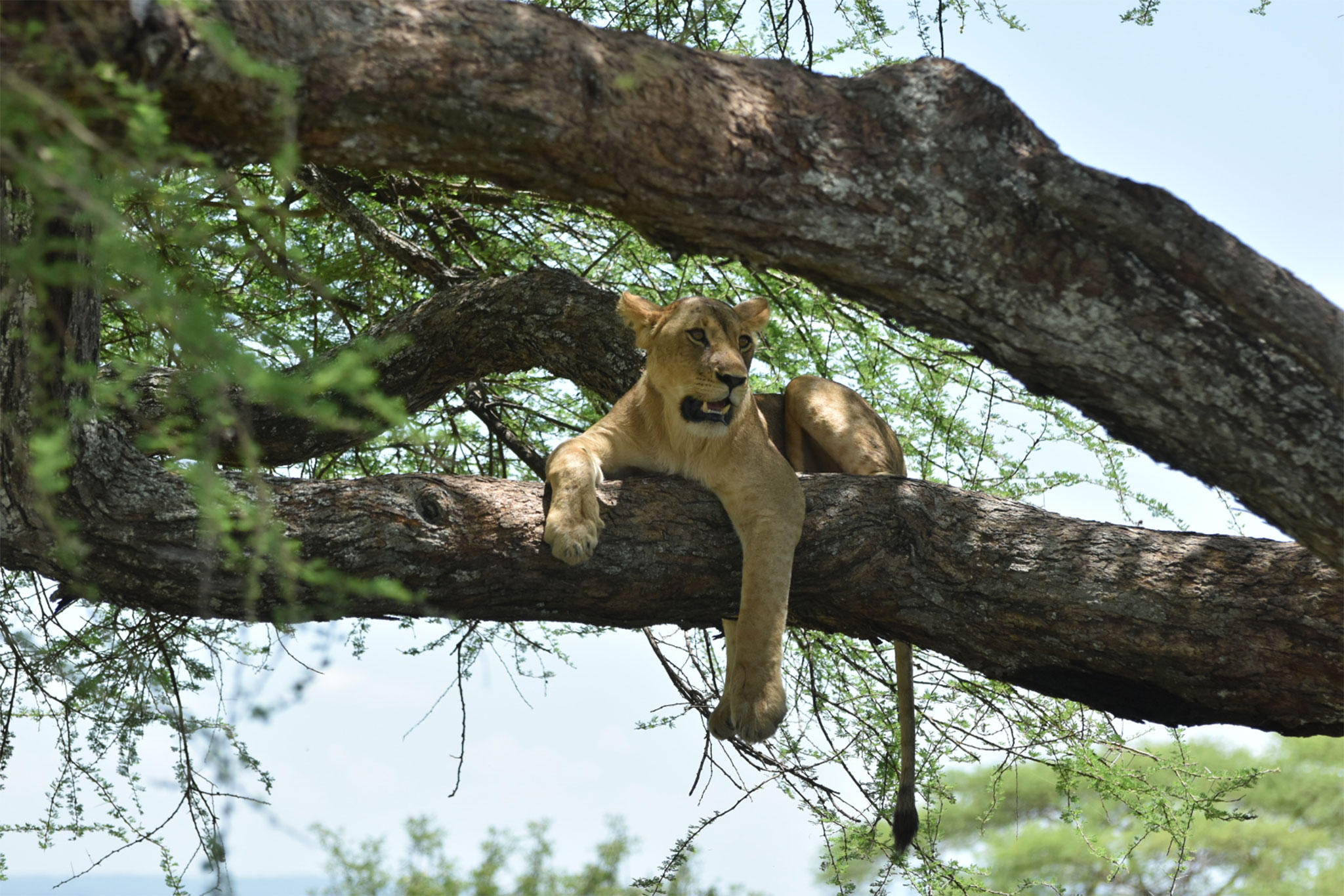
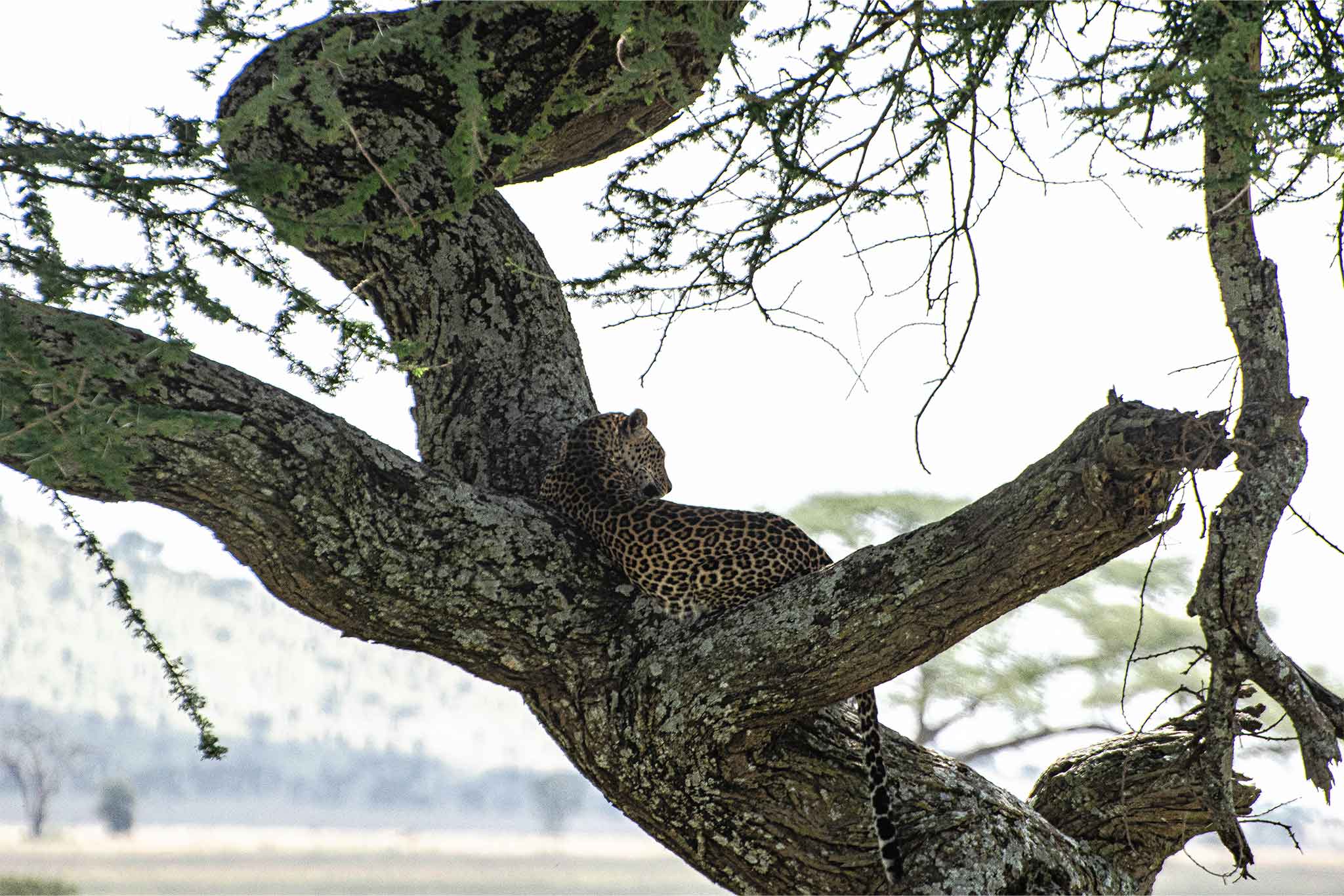
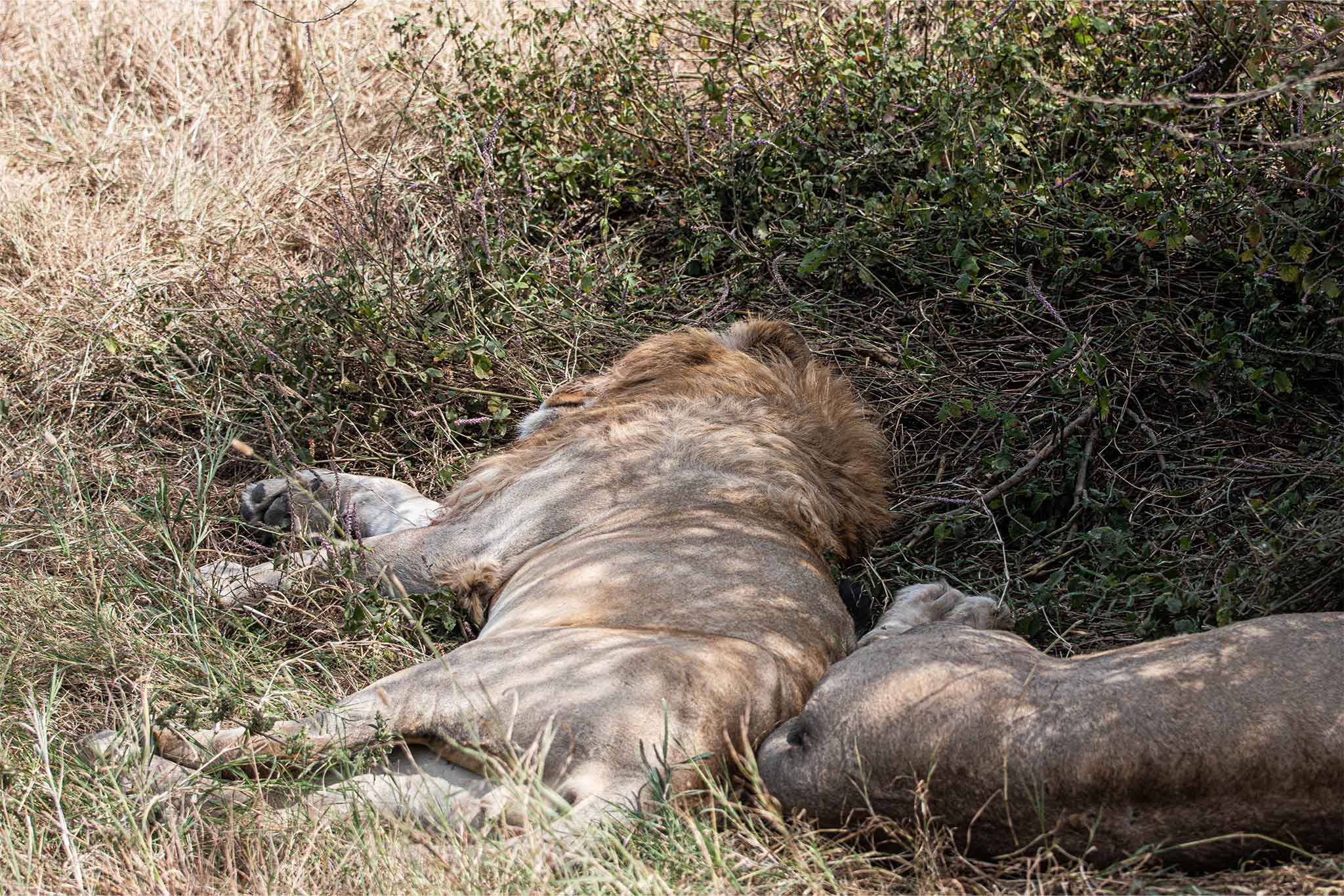
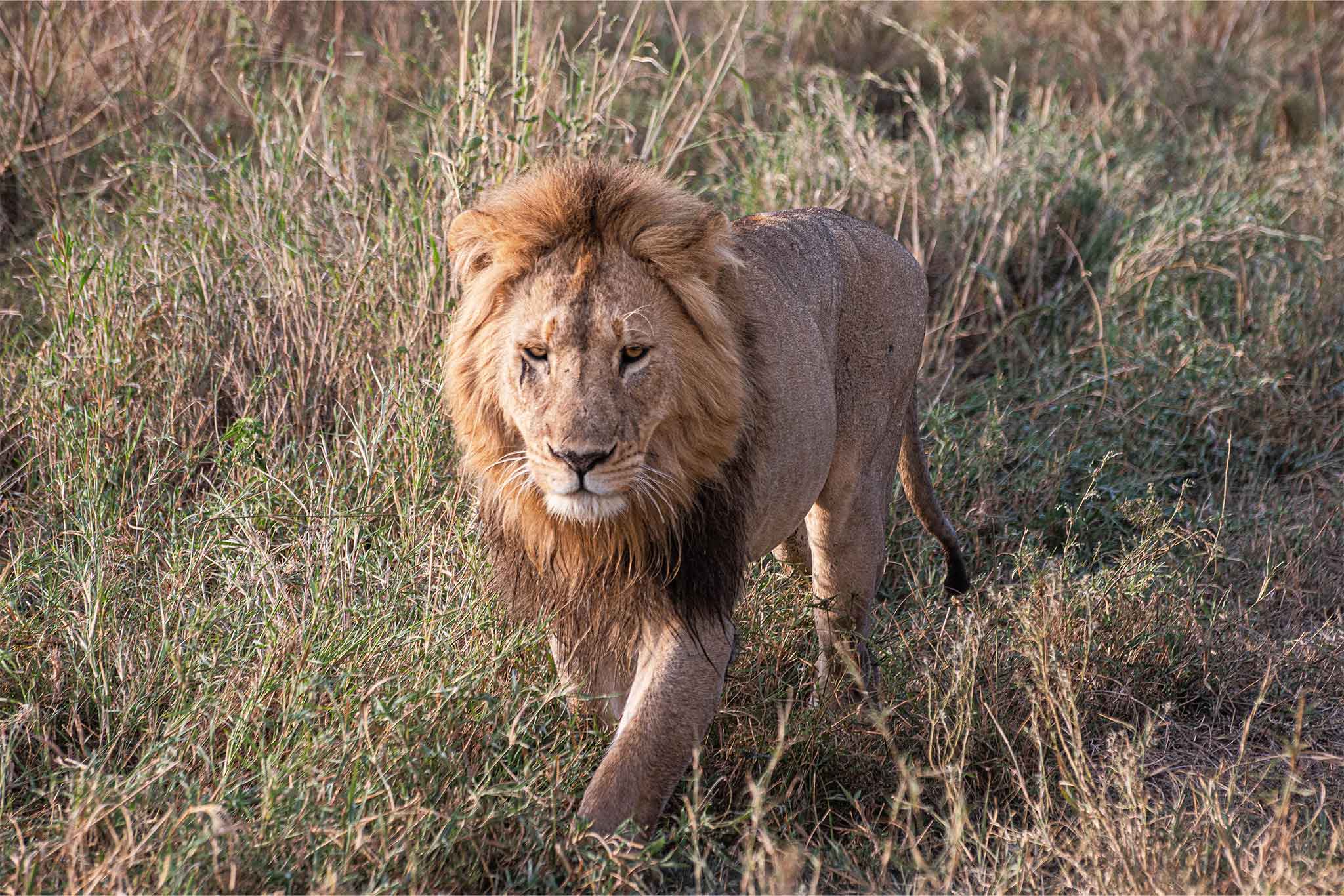
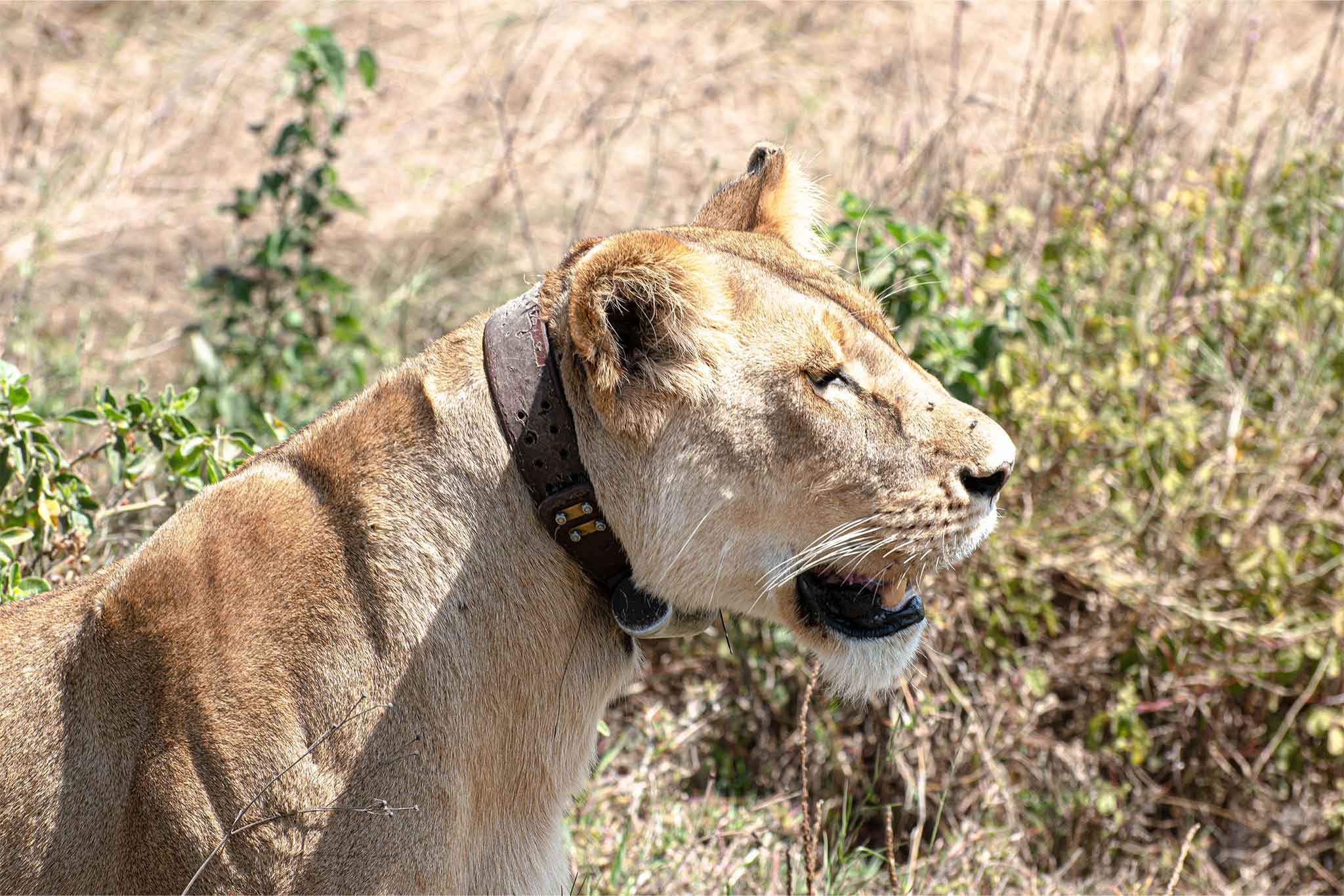
The Seronera River provides water all year, attracting resident wildlife, regardless of the migration. This is one of the best places in Africa to see leopard in the trees along the river, and lion prides on the kopjes. Picnic lunch en route.
Afternoon game drive around Seronera, then check in to your lodge or camp for the night.
Meals: Breakfast, Lunch, Dinner
Serengeti to Ngorongoro
Drive 4–5 hrs with game viewing
Have a last morning game drive in the central Serengeti, when the light is soft and the big cats are often on the move, then head back towards Naabi Hill.
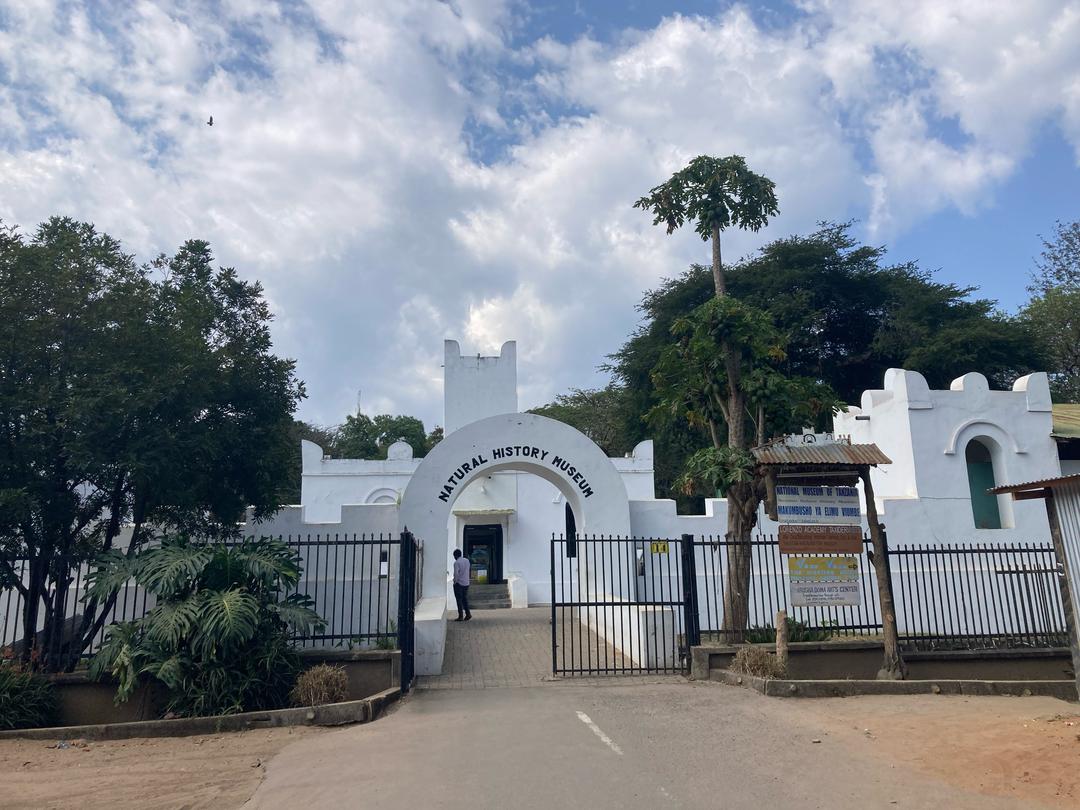
Leaving the Serengeti, the road crosses the eastern plains of the Ngorongoro Conservation Area. Stop at Olduvai Gorge for the museum, or visit a Maasai homestead if you would like to (optional).
In the late afternoon, climb up to the forested crater rim or Karatu and check in to your lodge for the night.
Meals: Breakfast, Lunch, Dinner
Ngorongoro Crater and departure
Crater tour ~6 hrs · Drive 4 hrs
Wake early for your final game drive, down into the Ngorongoro Crater. In the green season, the crater floor is bright with grass and flowers, and many animals have young.
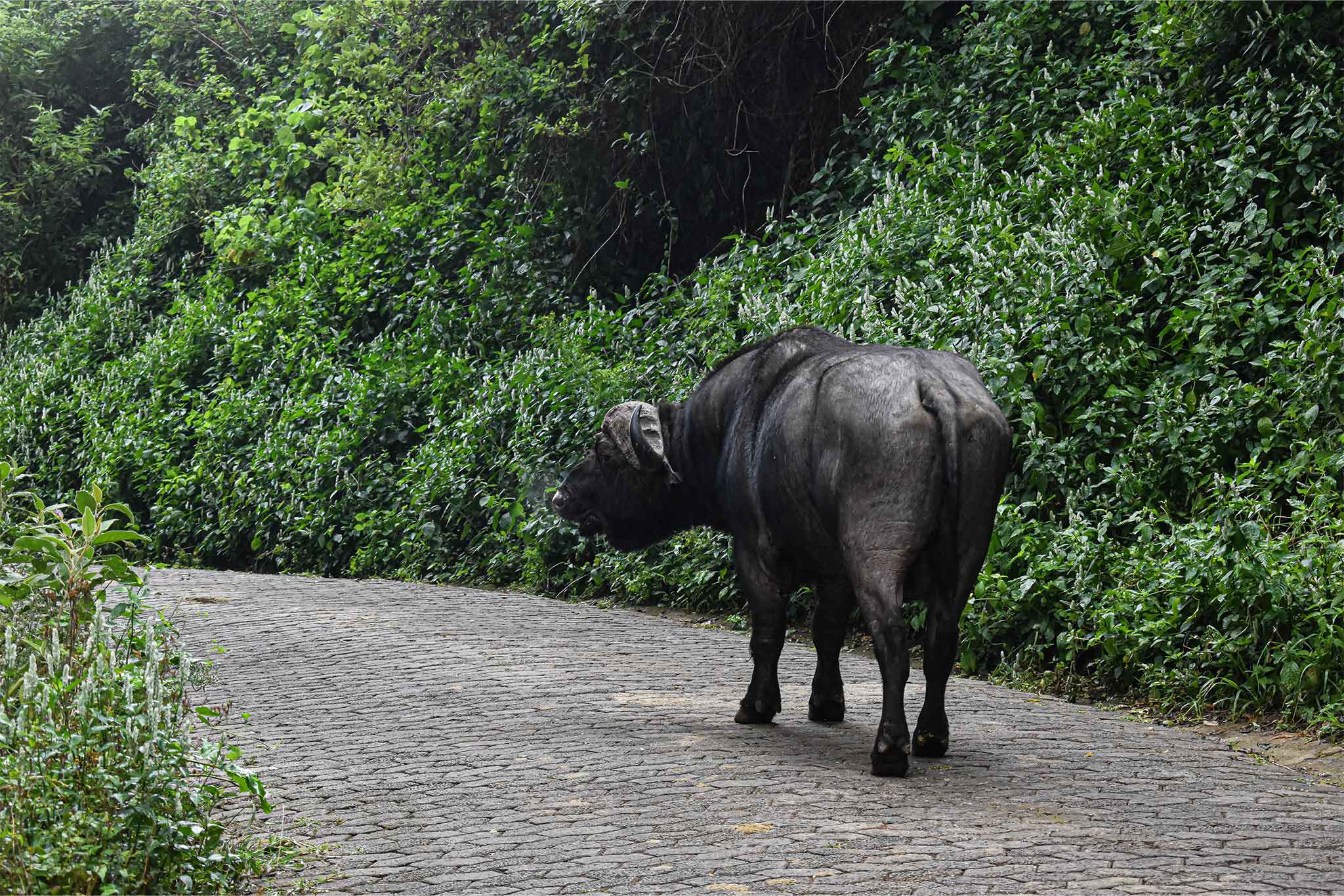
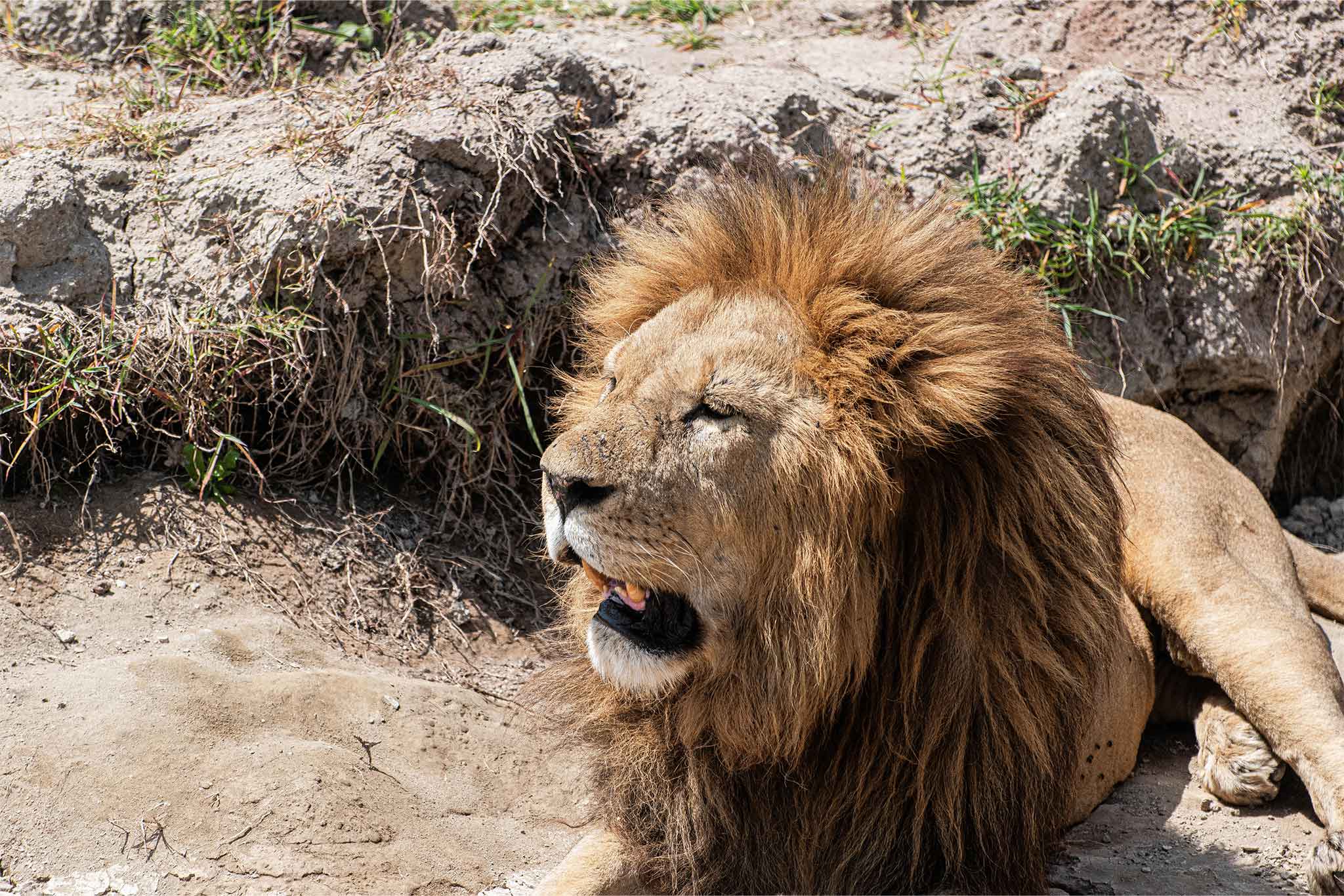
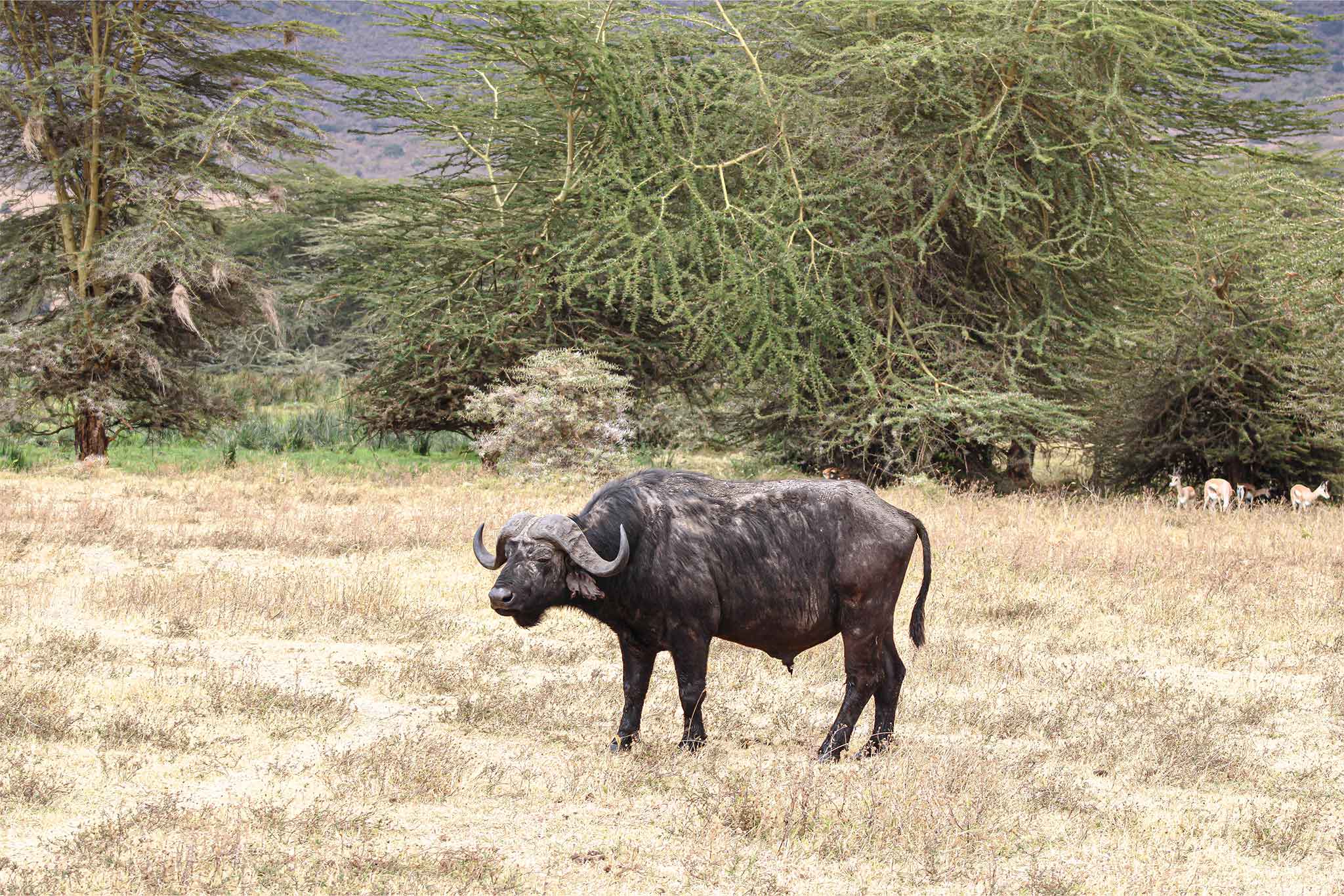
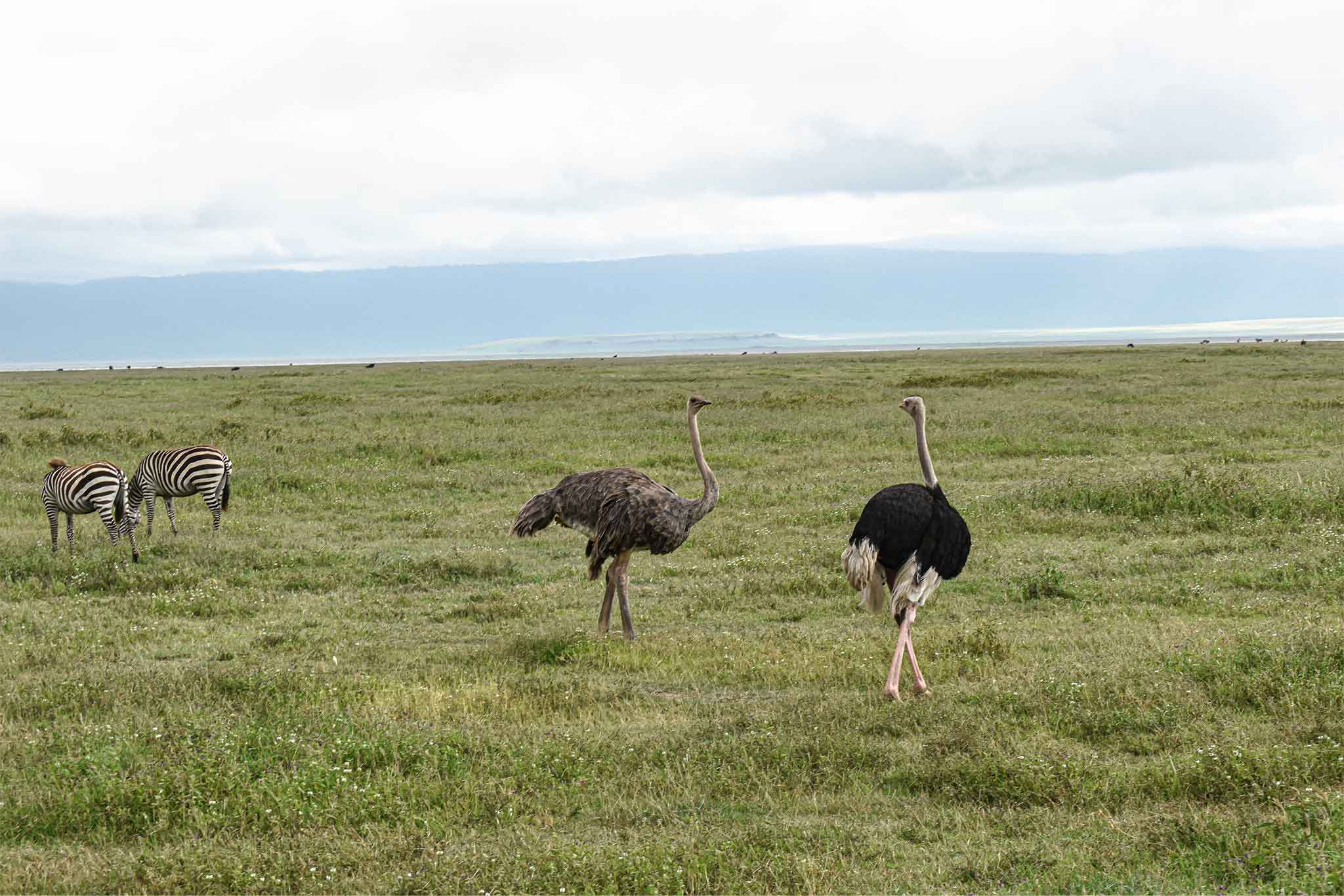
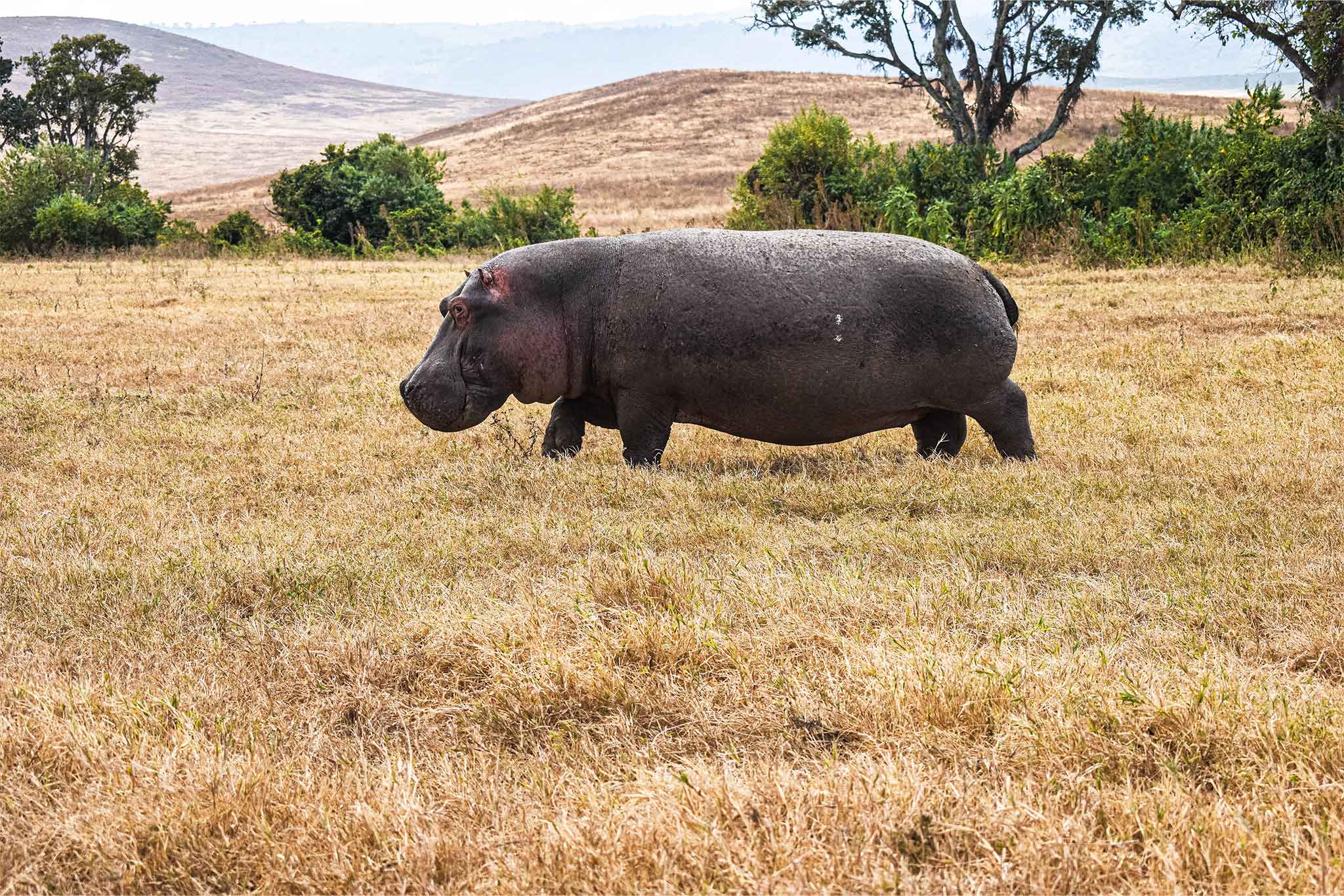
Look for black rhino, lions, spotted hyenas and big elephant bulls, as well as herds of zebra, buffalo and wildebeest, and flamingos on the soda lake. Stop for a picnic by the hippo pool.
After lunch, drive up the crater wall and on to Arusha and Kilimanjaro International Airport for your evening flight. Safari njema!
Meals: Breakfast, Lunch
Overnight: End of tour
You've reached the end of your adventure
Where you stay
Accommodations
 Silver
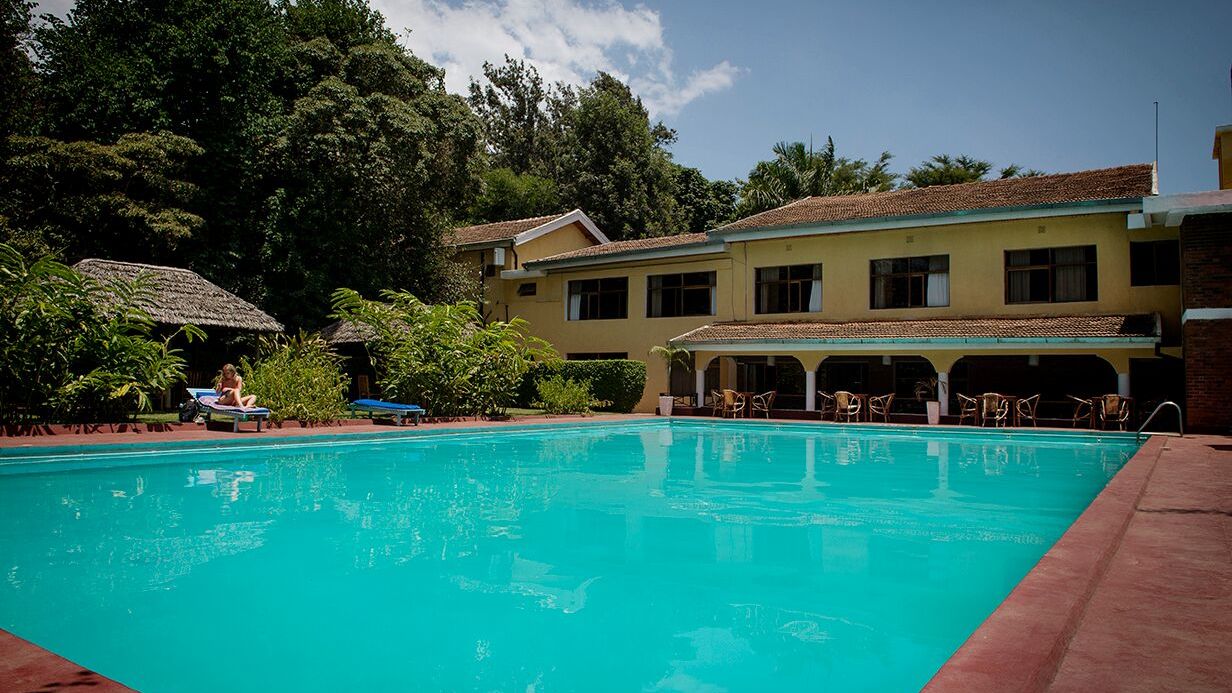
Ilboru Safari Lodge, Arusha
Arusha
 Gold
Gold
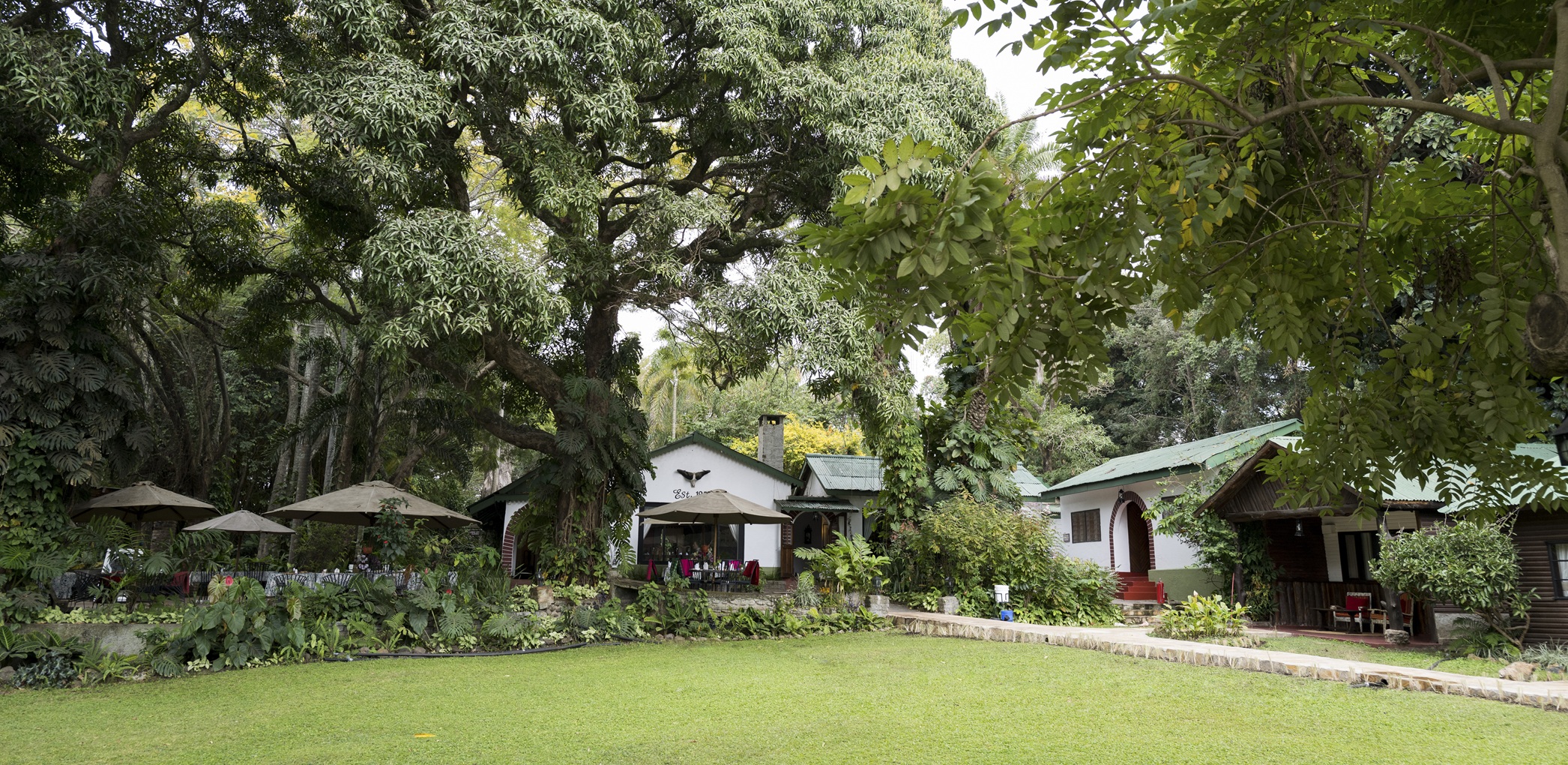
Mount Meru Game Lodge, Usa River
Arusha
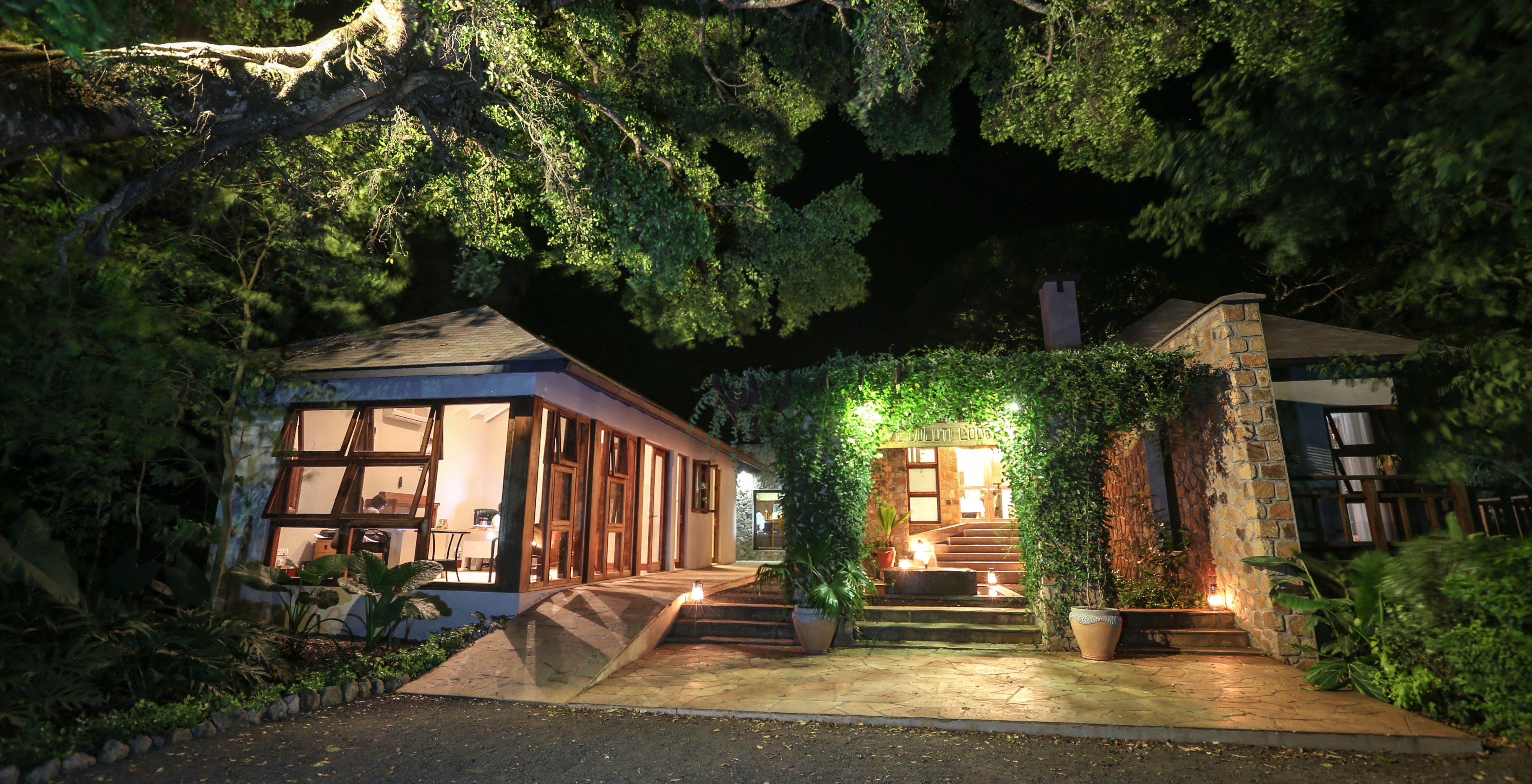 Platinum
Lake Duluti Lodge
Arusha
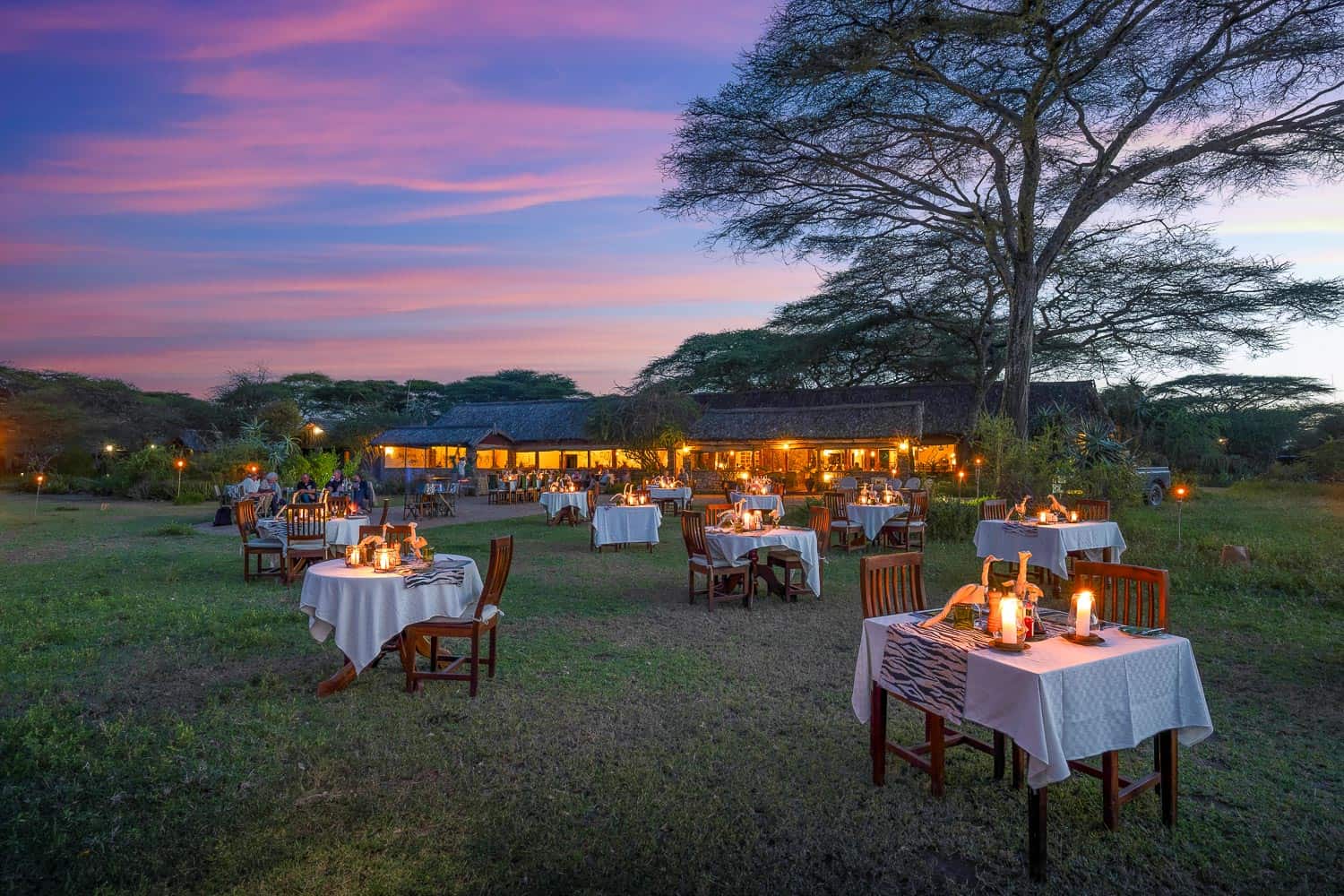 Silver
Ndutu Safari Lodge
Ndutu
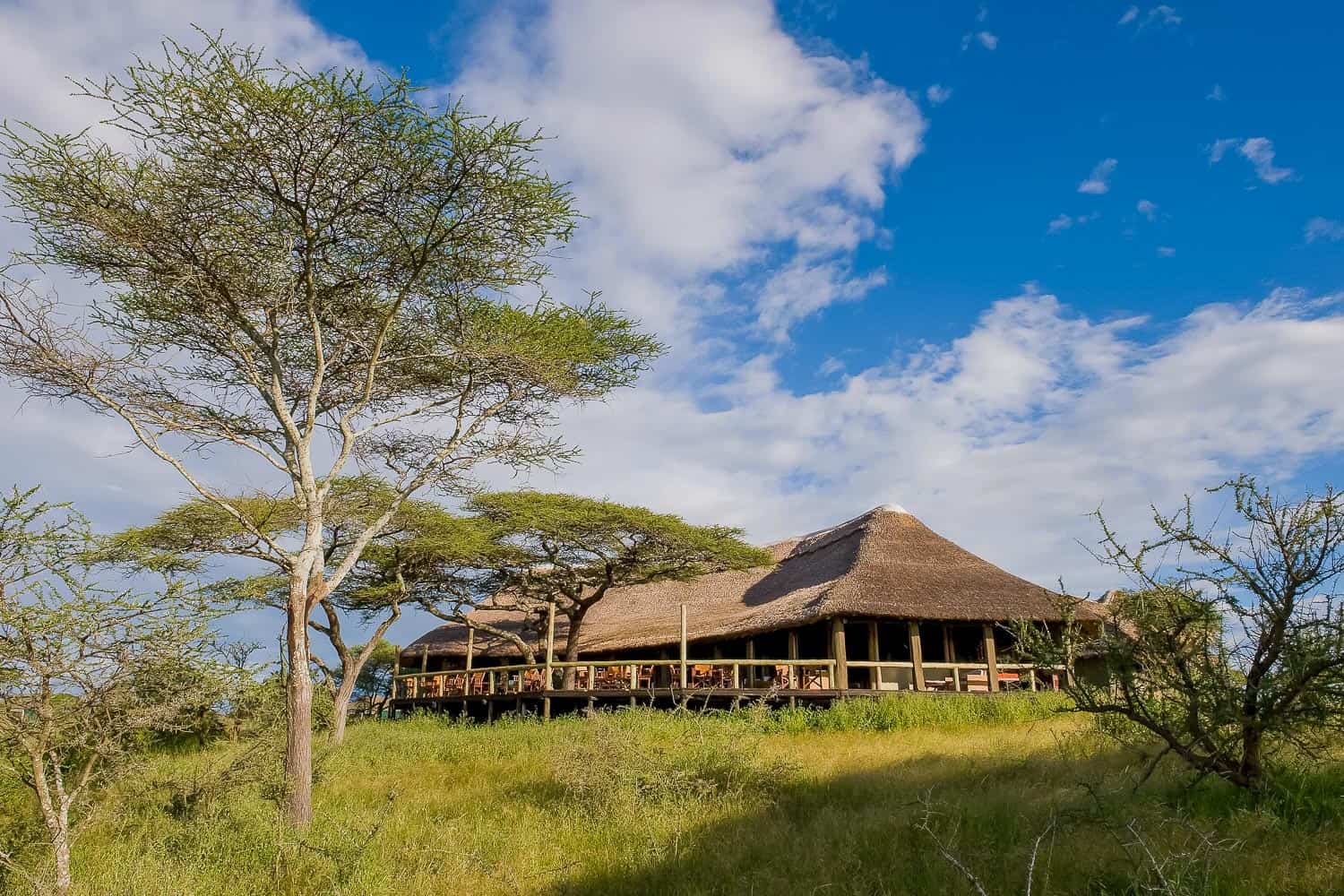 Gold
Gold
Lake Masek Tented Lodge
Ndutu
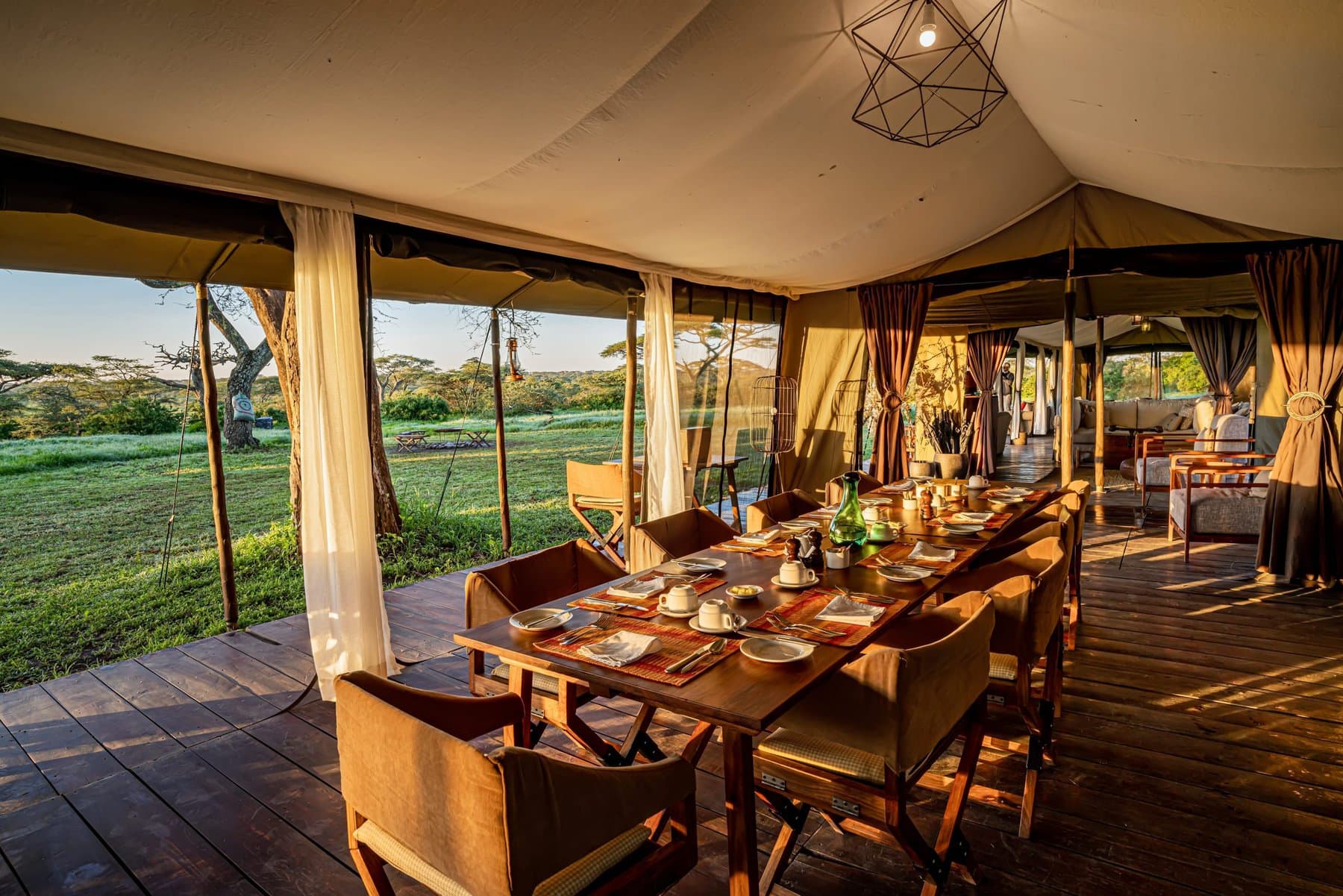 Platinum
Lemala Ndutu Tented Camp
Ndutu
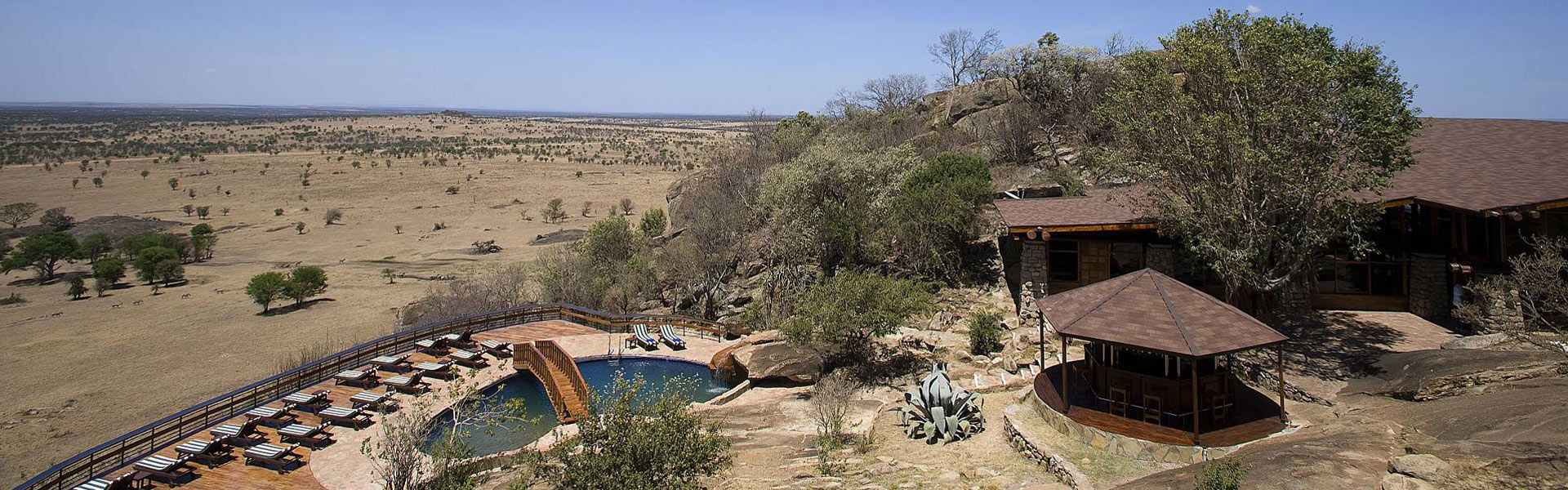 Silver
Seronera Wildlife Lodge
Serengeti
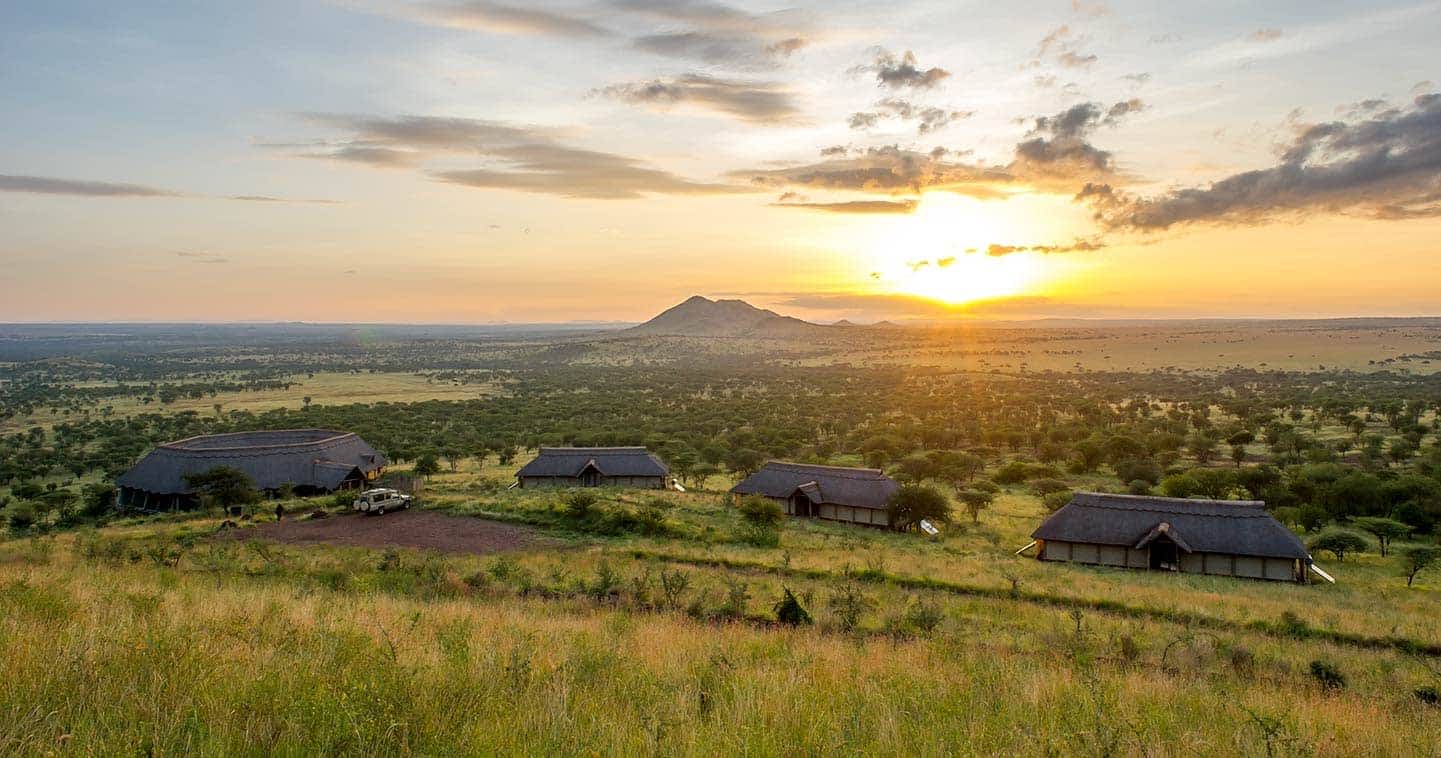 Gold
Gold
Kubu Kubu Tented Lodge
Serengeti
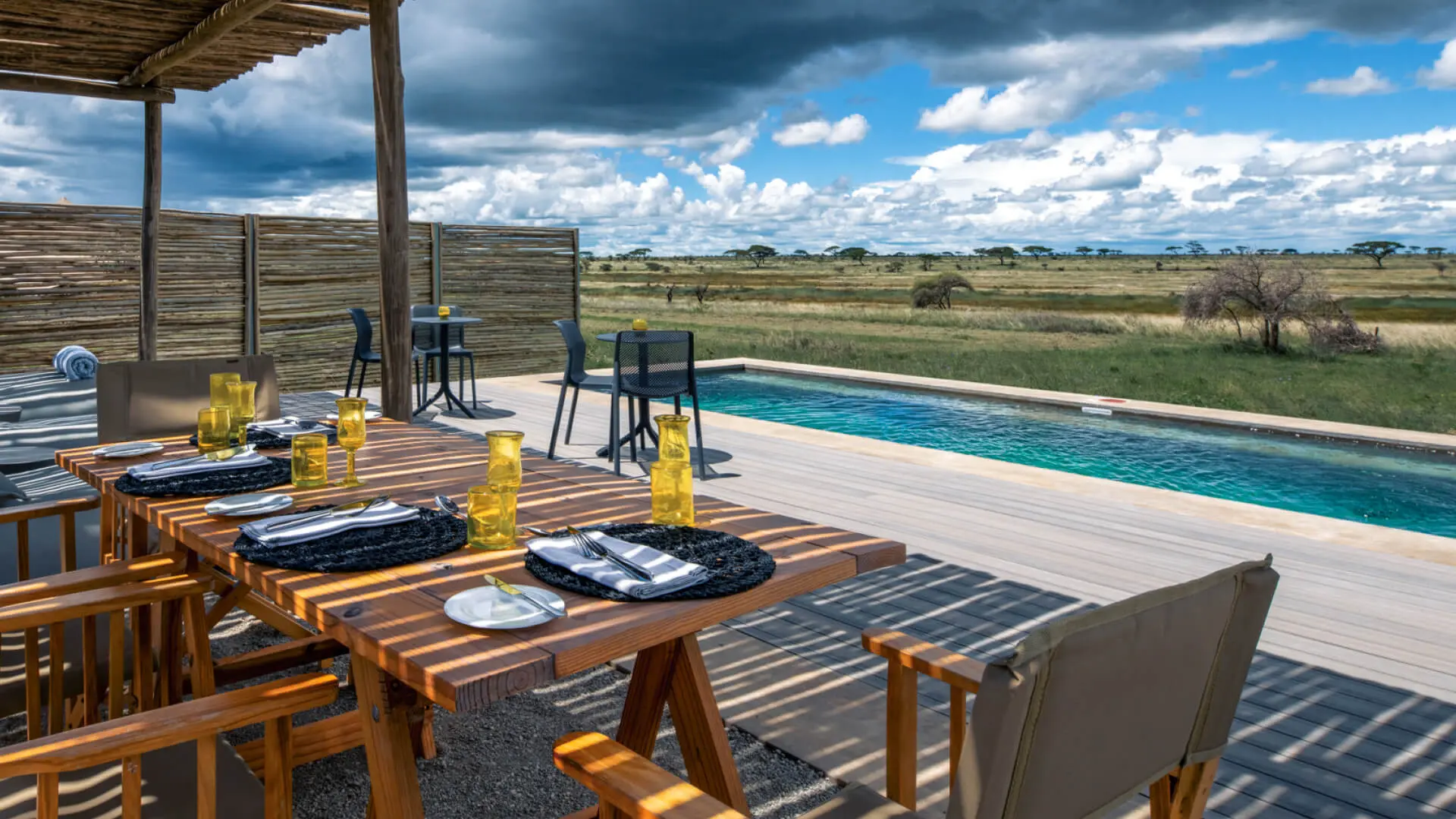 Platinum
Namiri Plains (Asilia)
Serengeti
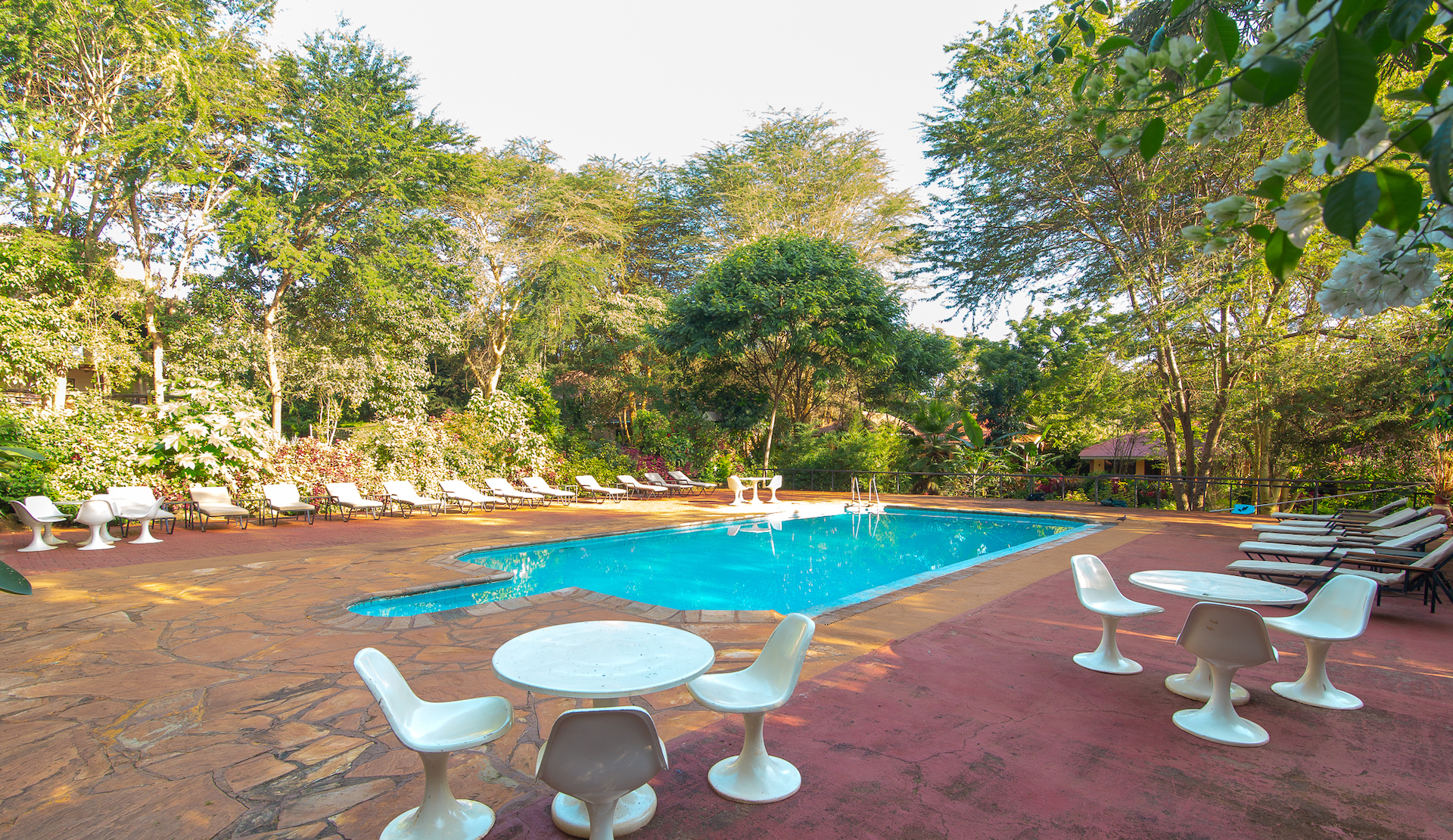 Silver
Eileen's Trees Inn, Karatu
Karatu
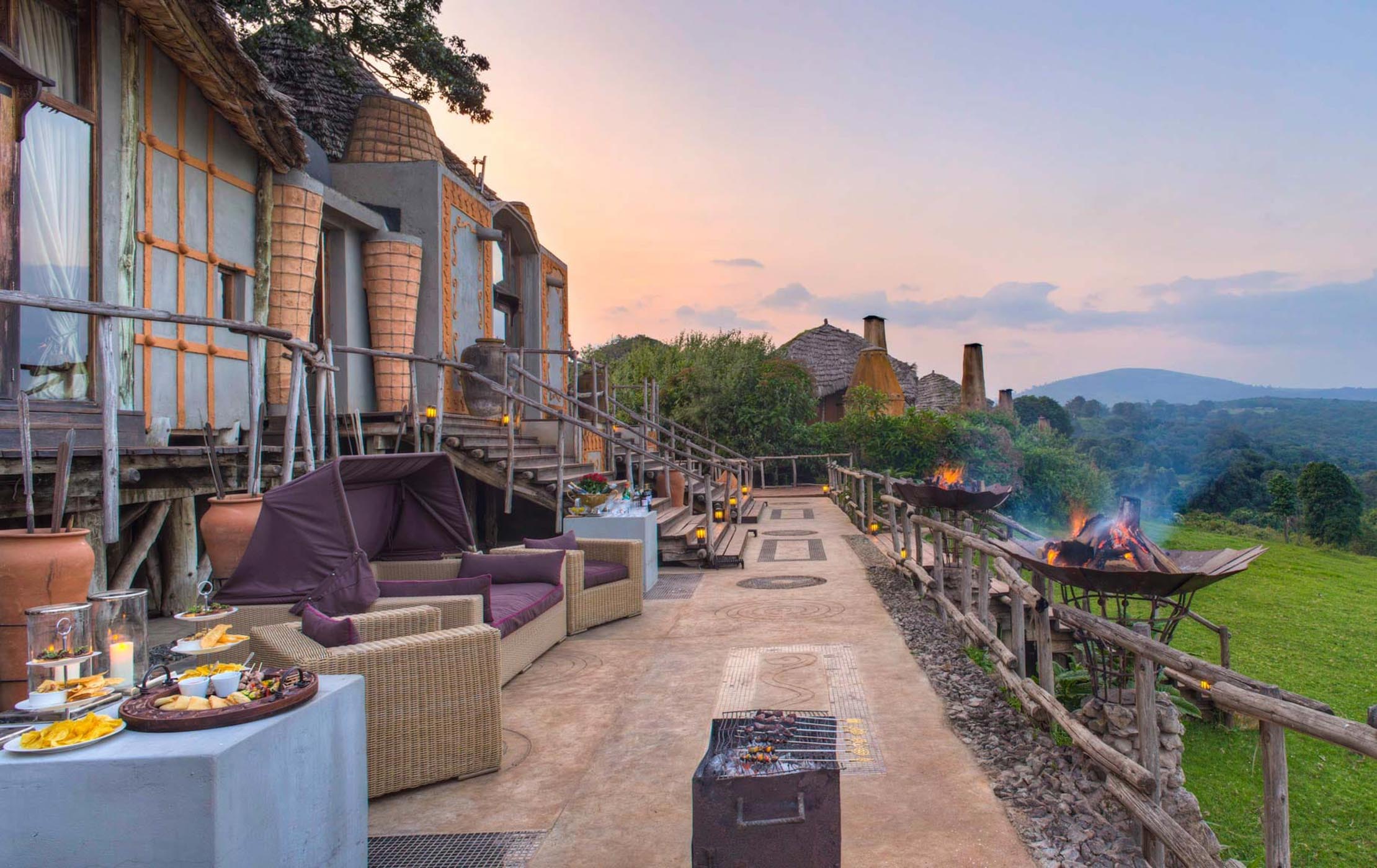 Gold
Gold
Ngorongoro Wildlife Lodge
Ngorongoro
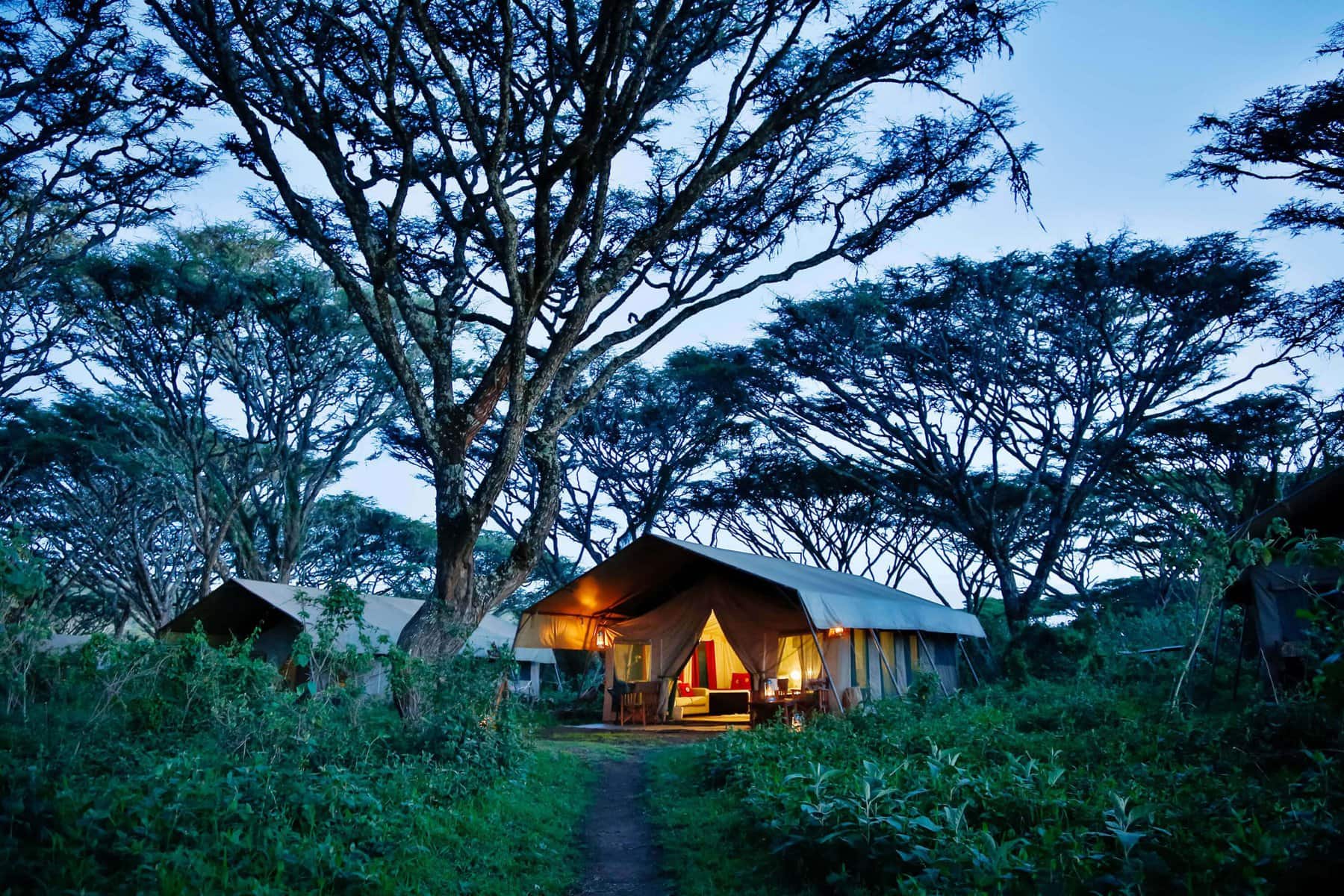 Platinum
Lemala Ngorongoro Tented Camp
Ngorongoro
Best time to travel
The best time for this safari is late January to February, the peak of the calving season, when most calves are born within a few weeks. December and March are also good: in December the herds arrive on the southern plains, and in March the young calves are growing strong and predators are still very active.
Green season (December–March) the short-grass plains are lush, the herds are concentrated around Ndutu and the southern Serengeti, and predator action is outstanding. Showers usually fall in short afternoon bursts.
Dry season (June–October) the herds are far to the north near the Mara River, so this itinerary is not suitable. Choose our Great Migration Safari for river crossings instead.
Safari includes & excludes
Inclusions
- Airport pick-up and drop-off (Kilimanjaro, Arusha, Dar es Salaam or Zanzibar as per itinerary)
- Private 4x4 safari vehicle with pop-up roof, charging points and cool box
- Professional English-speaking driver-guide (other languages on request)
- All national park, conservation area and concession fees
- Accommodation in your chosen tier (Budget, Mid-range or Luxury)
- Meals as listed in the itinerary (B = breakfast, L = lunch, D = dinner)
- Unlimited drinking water in the vehicle during safari
- Government taxes and 18% VAT
- Flying Doctors (AMREF) emergency evacuation cover while on safari
- Ngorongoro Conservation Area fees for the Ndutu area
- Full-day game drives with picnic lunches in the calving area
Exclusions
- International flights and Tanzanian visa
- Travel and medical insurance (compulsory)
- Tips for guides and camp staff
- Drinks other than drinking water, unless included by the lodge
- Optional activities (hot-air balloon, cultural visits not listed, walking safaris)
- Laundry, telephone and other personal expenses
Why choose this safari
The calving season is one of the greatest wildlife events on earth, and this safari gives you three nights in the middle of it rather than a quick visit.
- Three nights placed in the calving area, not just a day trip
- Some of the best predator sightings in Africa
- Full days with the herds and picnic lunches on the plains
- Classic parks included: Tarangire, Serengeti and Ngorongoro
- Green-season beauty with fewer vehicles than the dry-season peak
Best for: Best for PhotographyNewborn calves, predator action and dramatic green-season skies Wildlife enthusiastsOne of nature's greatest events, seen up close Safari first-timersA spectacular first safari with the classic parks included HoneymoonIntimate seasonal camps on the open plains FamiliesBaby animals and easy game viewing for all ages
Tailormake your journey
Add these must-do experiences
Extra night in Ndutu
Ndutu
One more full day with the herds gives you more chances to see a birth, a cheetah hunt or a lion kill. Highly recommended for photographers.
Adds 1 day
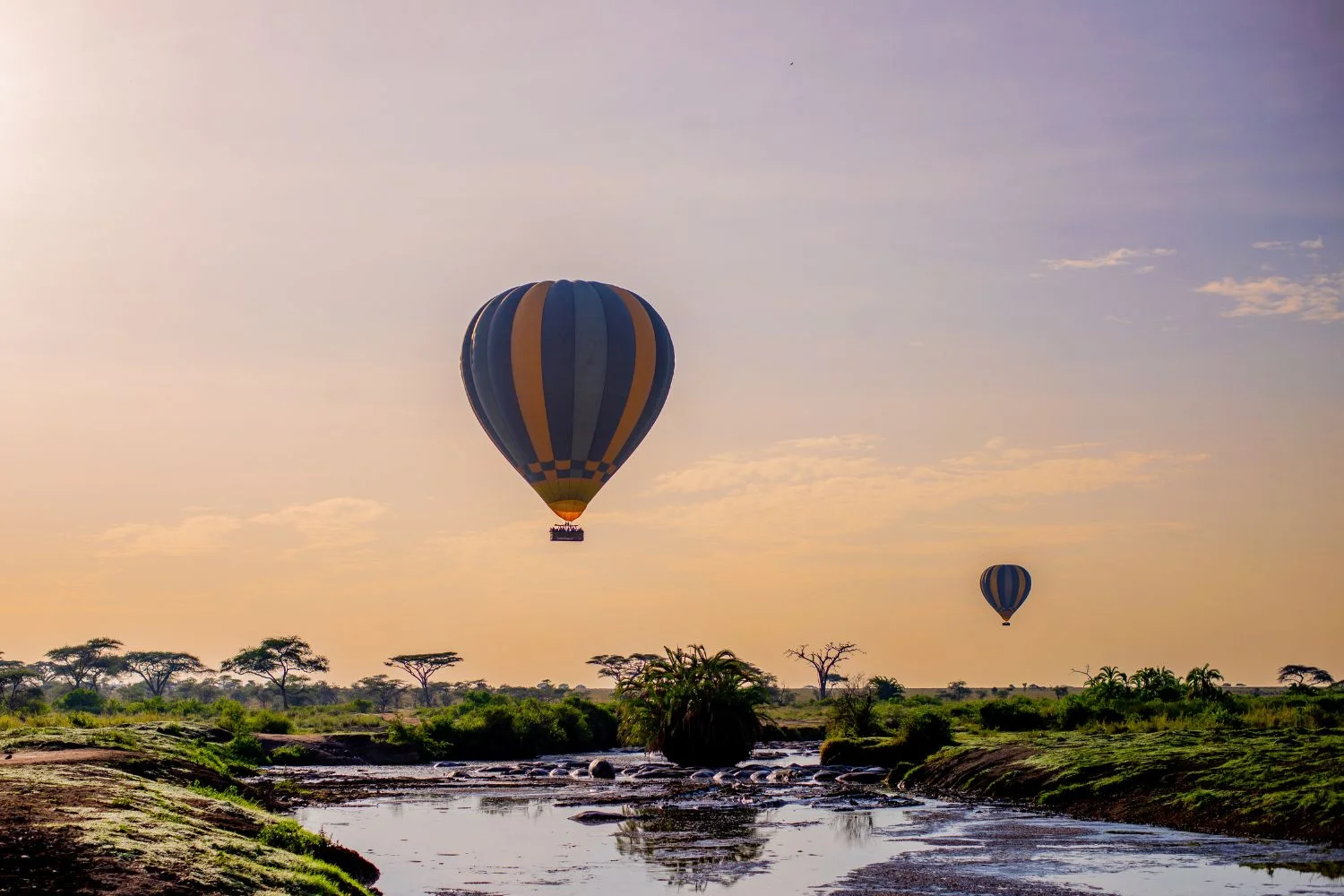
Hot-Air Balloon Safari over the Serengeti/Ndutu
Serengeti/Ndutu, sunrise
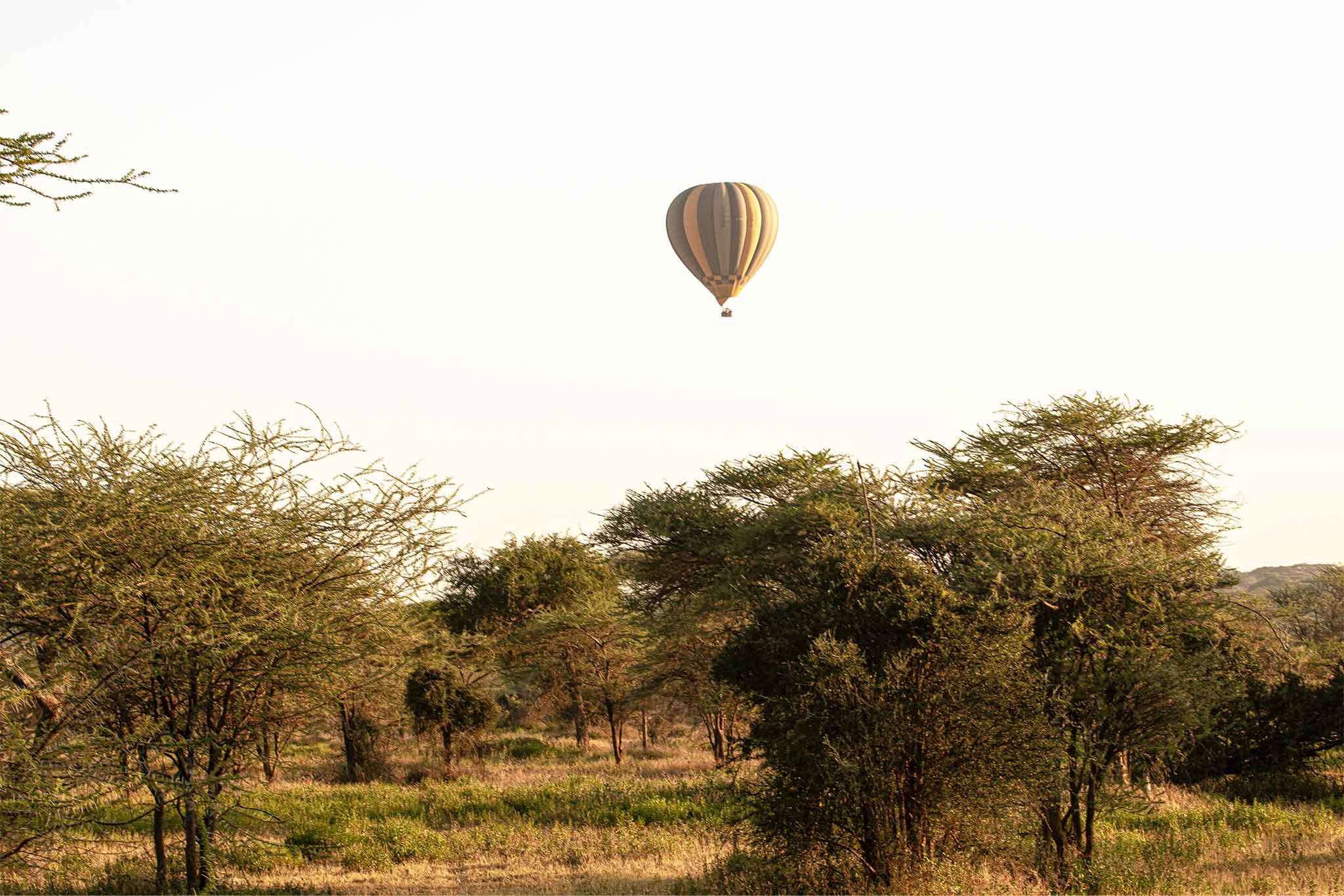
Fly over the calving grounds at dawn, with herds spread out below you, followed by a bush breakfast. Flights in the south depend on the season and weather.
No extra day needed
Guided walk around Lake Ndutu or Lake Masek
Ndutu
Walk with an armed ranger near the lakes, looking for birds, tracks and smaller creatures (where permitted and camp-dependent).
No extra day needed
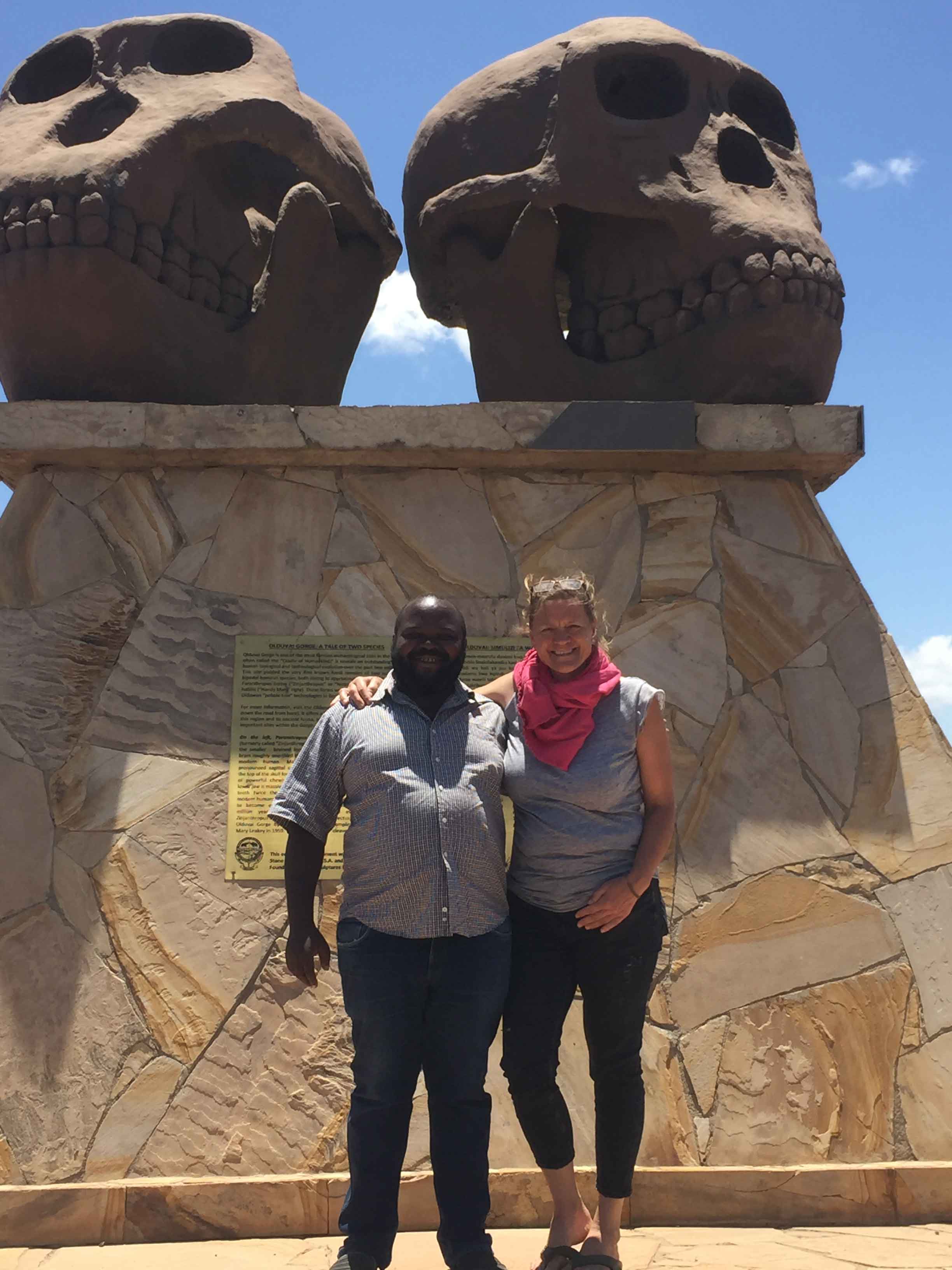
Olduvai Gorge Museum
Between Ngorongoro and the Serengeti
The museum lies close to the road between Ndutu and Ngorongoro, making it an easy stop on the way to the crater.
No extra day needed
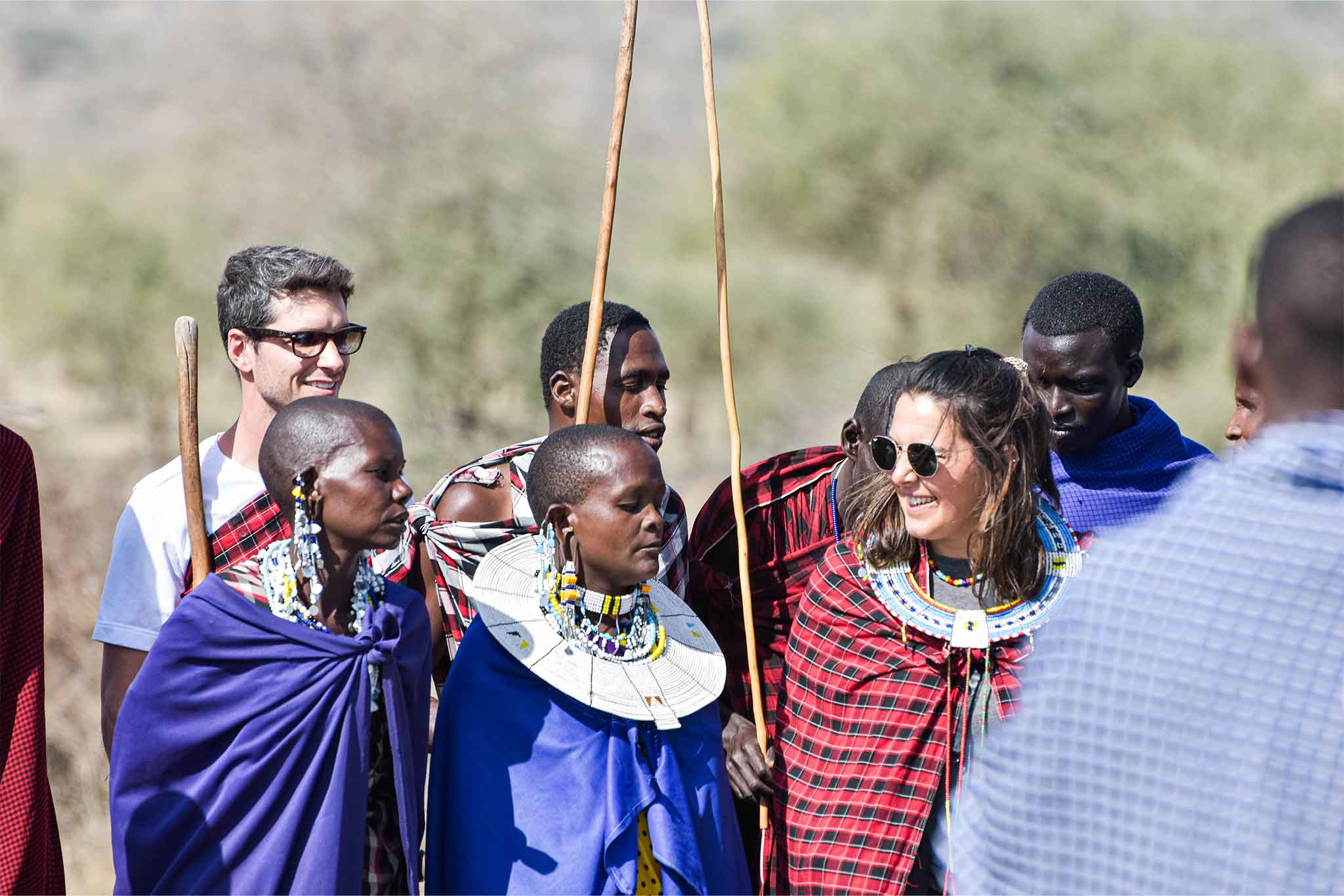
Maasai Boma Visit
Ngorongoro area
Visit a Maasai homestead in the Ngorongoro Conservation Area, where families graze cattle near the calving grounds.
No extra day needed
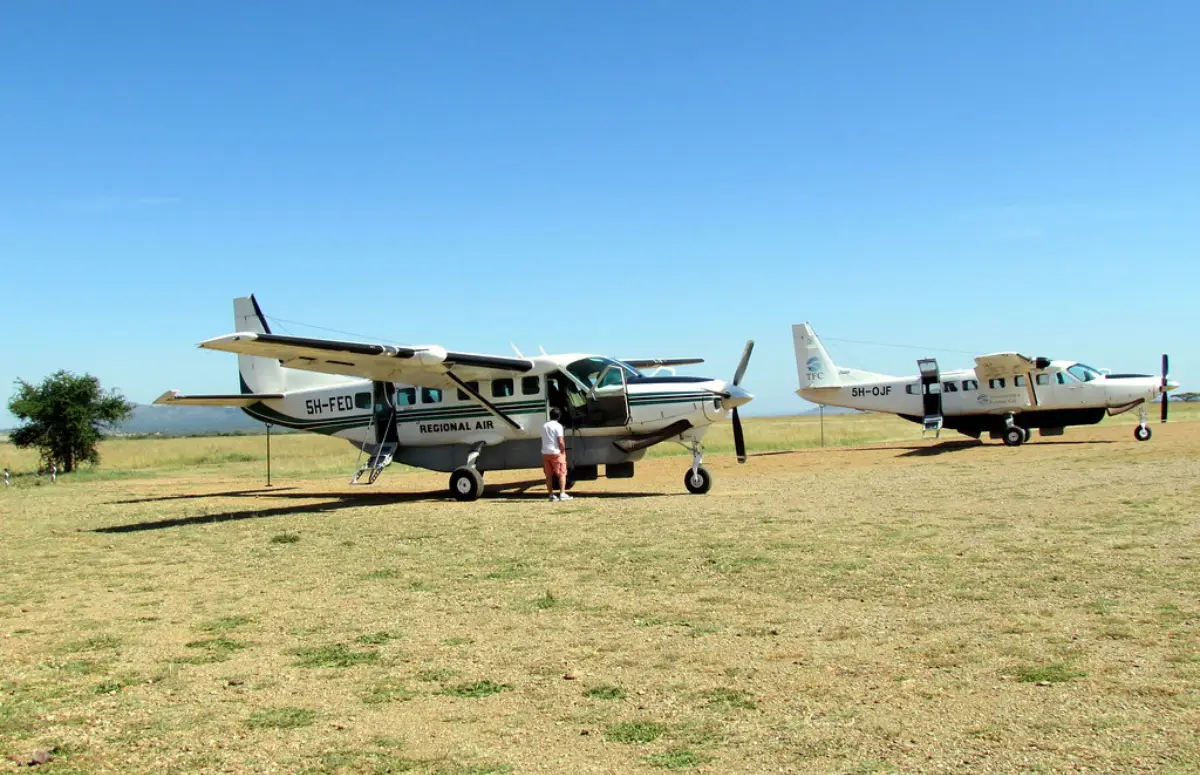
Fly out from Ndutu or the Serengeti
Last day
Skip the long drive back by flying from an airstrip near Ndutu or Seronera to Arusha, or directly to Zanzibar.
No extra day needed
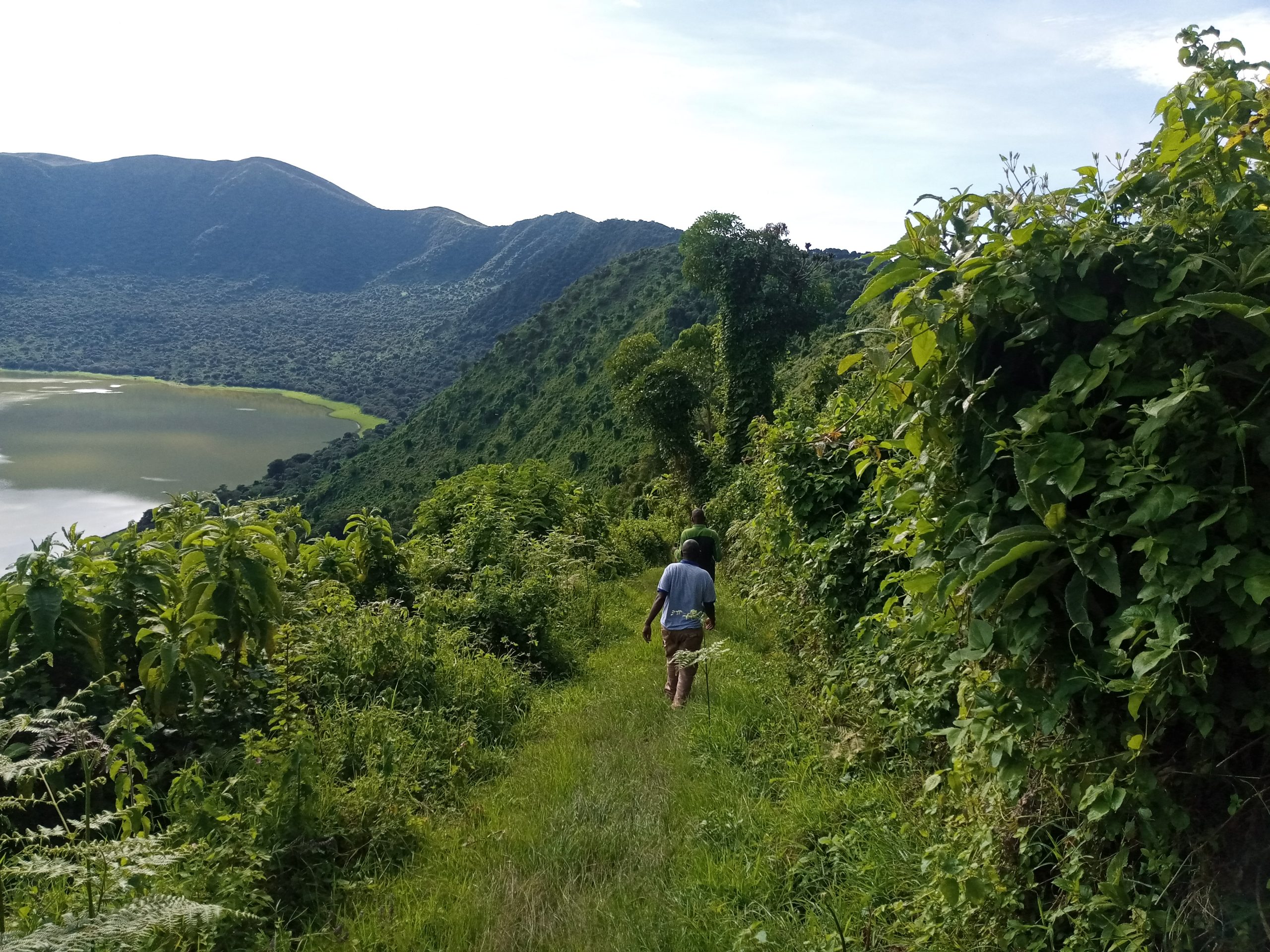
Empakaai Crater Hike
Ngorongoro highlands
An extra day to hike into Empakaai Crater, green and full of flowers in the wet season.
Adds 1 day
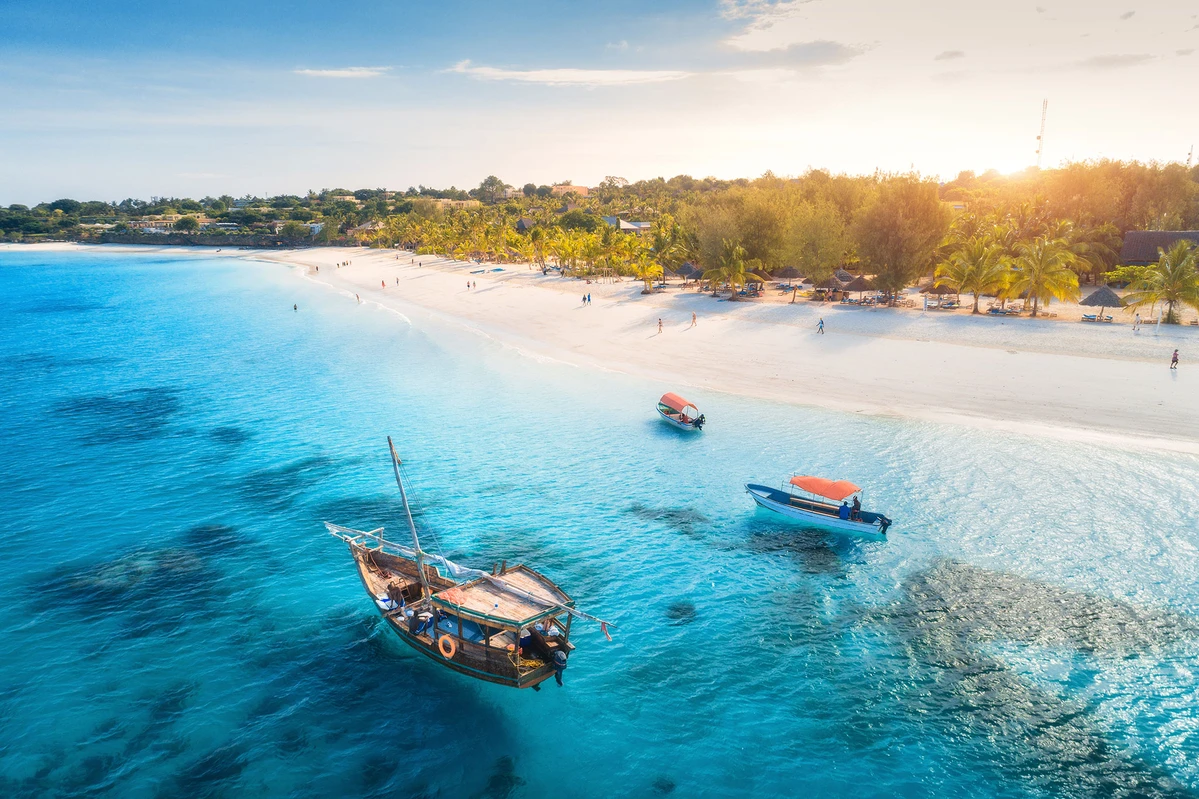
Zanzibar Beach Extension
After the safari
January and February are excellent beach months on Zanzibar, so add a few days on the island after the plains.
Adds 3–6 days
Discover Tanzania
Your questions answered
When is the best time to see calving?
Late January to February is the peak, when most calves are born. December and March are also good, but the herds may be more spread out.
Is it guaranteed that we will see a birth?
No. Births happen all around the herds at the peak, and most visitors see newborn calves, but watching an actual birth depends on luck and patience. Extra time in Ndutu improves your chances.
Where is Ndutu?
Ndutu lies on the border of the Ngorongoro Conservation Area and the southern Serengeti, about 3–4 hours' drive from the Ngorongoro Crater rim. It is the centre of the calving area from December to March.
Will it rain?
It is the green season, so short showers are possible, usually in the afternoon. Mornings are often clear and bright, and the rain makes the plains lush and the light beautiful for photography.
Are the camps comfortable?
Yes. Ndutu has permanent lodges and seasonal tented camps with proper beds and en-suite bathrooms, available at all three accommodation levels.
What should I pack for the green season?
Light layers, a waterproof jacket, a warm top for cool mornings and evenings, a hat and sunscreen. Neutral colours are best on game drives.
Is the calving season good for families?
Very much so. Children love seeing baby animals, and the open plains make wildlife easy to spot. Hunts can be dramatic, so your guide will prepare younger children for what they might see.