
Destination
Lengai Natron
A blood-red soda lake beneath an active volcano, and East Africa's largest flamingo breeding ground.
Destination Overview
Lake Natron is a shallow, caustic soda lake on the floor of the Great Rift Valley in far northern Tanzania, close to the Kenyan border, sitting at an elevation of around 600 meters. Fed by mineral-rich runoff and intense evaporation, its water turns a striking blood-red in the dry season, colored by salt-loving microorganisms that thrive in conditions too harsh for almost any other life. Towering over the lake's southern shore is Ol Doinyo Lengai — Maasai for "Mountain of God" — an active stratovolcano rising to 2,962 meters and the only volcano on Earth currently erupting rare natrocarbonatite lava, a black, low-temperature lava that turns white as it reacts with air. The area sits well off Tanzania's main safari circuit: reaching it from Arusha typically means a drive of around 220 km, roughly five hours or more via Mto wa Mbu on rough, dusty volcanic tracks that require a high-clearance 4x4.
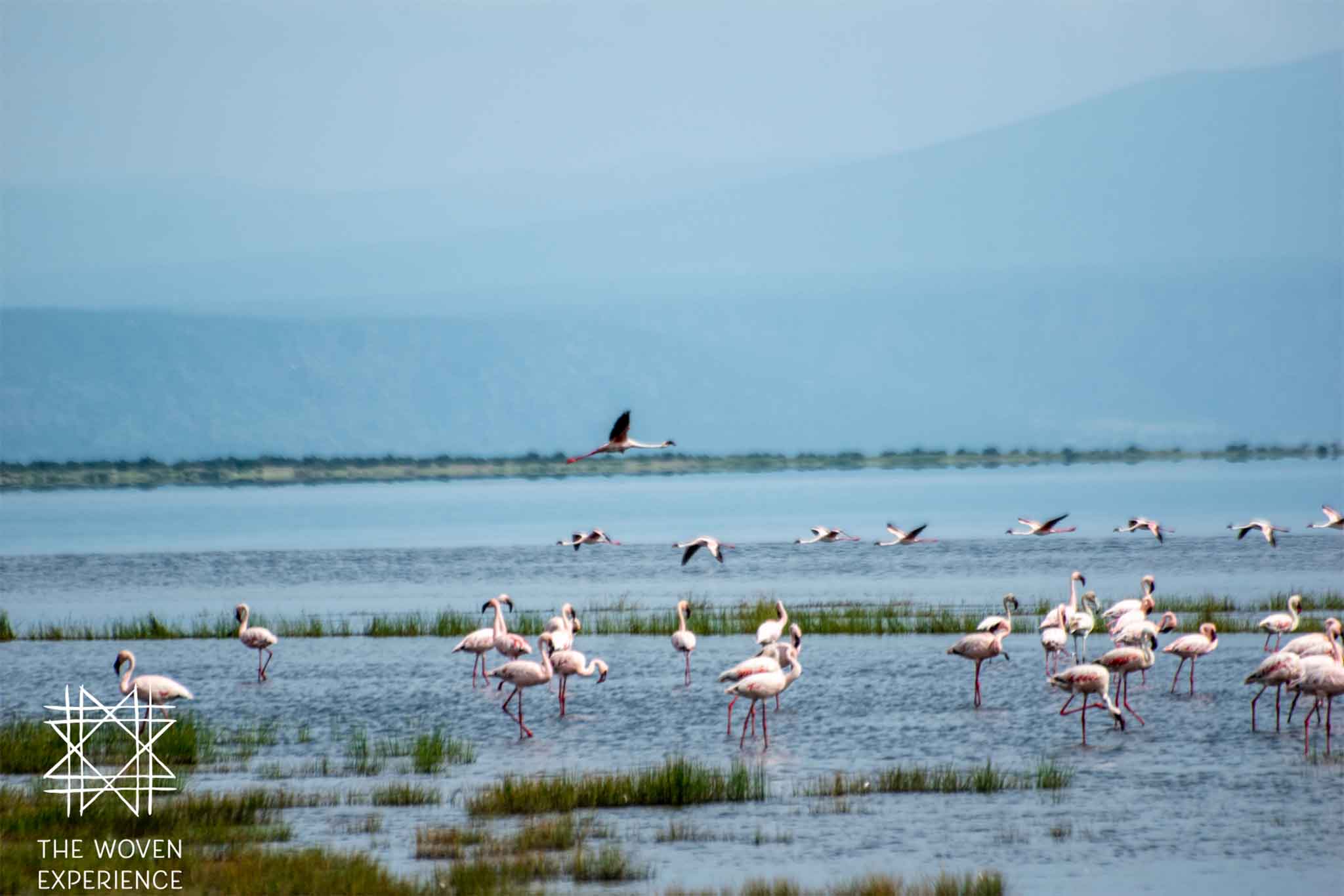
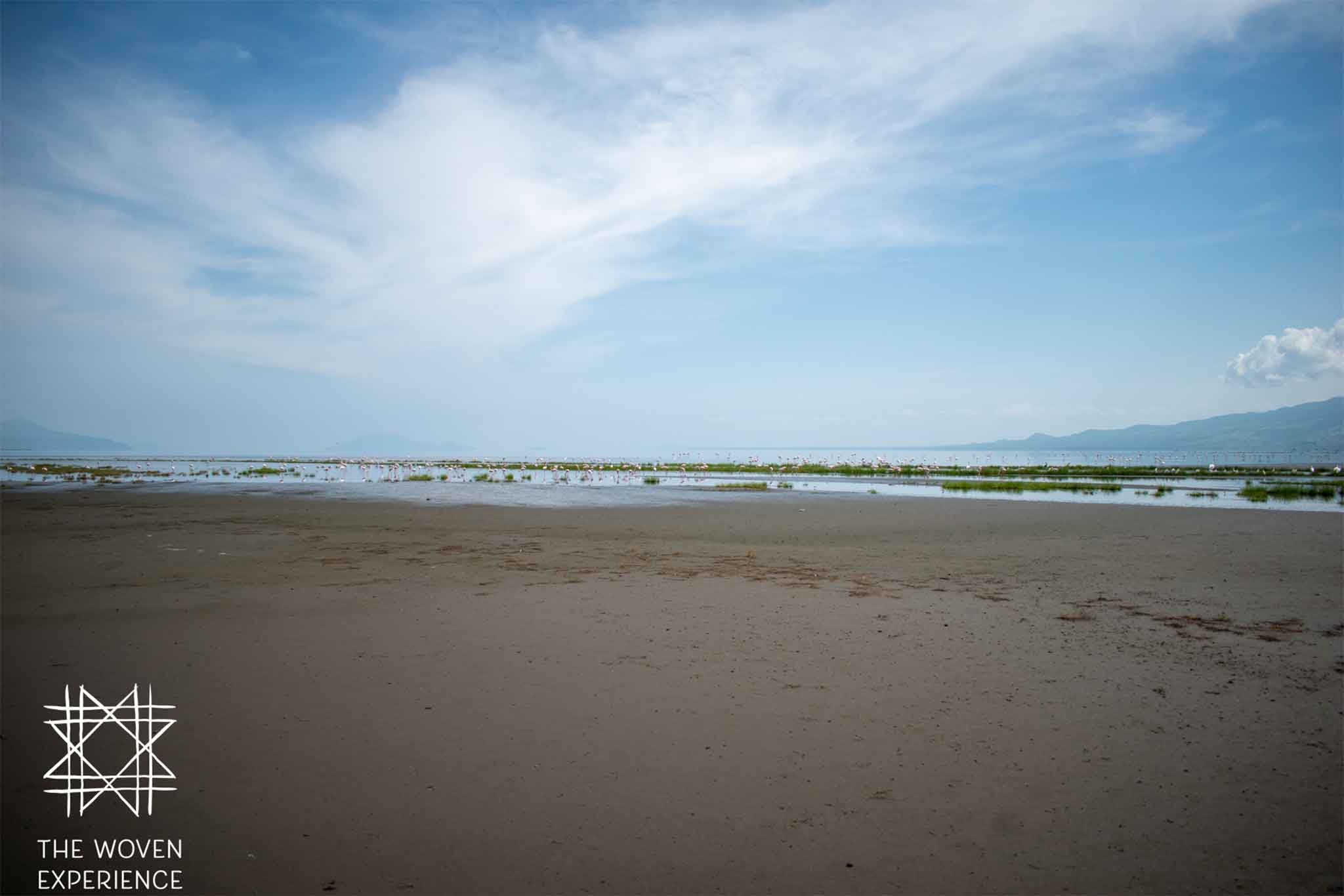
Despite its harsh, otherworldly conditions, Lake Natron is ecologically vital — its caustic mud keeps predators away from the shallows, making it the single most important breeding ground for lesser flamingos in East Africa, with vast pink flocks gathering to nest on the exposed soda flats. Nearby, the Engare Sero site preserves more than 400 ancient human footprints thousands of years old, while the Engare Sero waterfalls offer a rare chance to swim amid the surrounding heat. Most visitors combine a stay at the lake with a guided overnight climb of Ol Doinyo Lengai, starting near midnight to reach the crater rim by sunrise, and the area works well as an adventurous add-on to a broader northern circuit itinerary alongside Ngorongoro Crater and the Serengeti. The most practical time to visit is the dry season, from June to October and again in January and February, when roads are firmer and views of the volcano and lake are at their clearest.
The Blood-Red Lake
Lake Natron's most famous feature is its color: a deep red-to-pink hue, especially vivid in the dry season, caused by salt-loving microorganisms — including cyanobacteria and halophilic algae — that thrive in water too alkaline and mineral-rich for almost anything else. From above, the effect is striking enough that the lake has become one of the most photographed natural phenomena in East Africa, and even from the shoreline the shifting color across the shallows is unlike anything else on Tanzania's northern circuit.
The "Calcified" Wildlife
Lake Natron gained international attention through photographer Nick Brandt's haunting images of birds and bats found perfectly preserved along its shores, coated in a crust of calcium carbonate left behind as the lake's mineral-rich water dries. The effect isn't quite the instant "turns animals to stone" myth it's sometimes described as — these are animals that died naturally and were mineralized afterward — but the resulting sculptural, almost ghostly forms remain one of the most talked-about, unusual sights anywhere in Tanzania.
Ol Doinyo Lengai — The Mountain of God
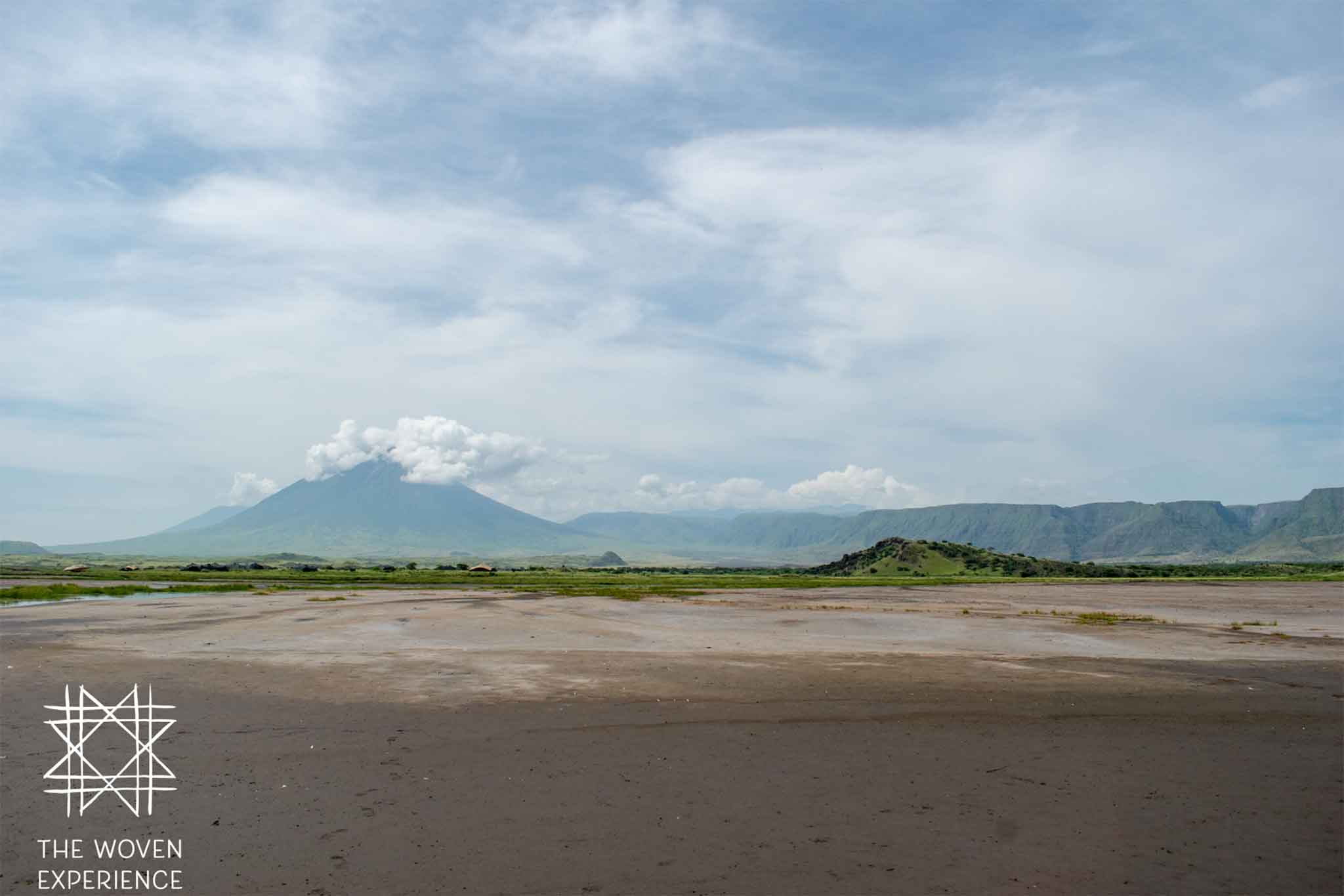
Rising to 2,962 meters above the lake's southern shore, Ol Doinyo Lengai — Maasai for "Mountain of God" — is the only volcano on Earth currently erupting natrocarbonatite lava, an unusually cool, dark lava that turns a startling white as it cools and reacts with air. Sacred to the Maasai, who consider it the dwelling place of their god Engai, it's one of the most geologically unique volcanoes anywhere in the world.
The Night Climb to Sunrise on the Crater Rim
Climbing Ol Doinyo Lengai is widely considered one of East Africa's toughest one-day hikes: a steep, roughly 4-to-6-hour ascent that starts near midnight, crosses loose volcanic scree and ash, and often requires scrambling on hands and knees near the summit, followed by a similarly long descent. The reward — reaching the crater rim for a cold, clear sunrise over the Rift Valley and the lake far below — is exactly why experienced hikers seek this climb out specifically. A local Maasai guide is mandatory, and it's not a hike to underestimate.
Africa's Most Important Lesser Flamingo Breeding Ground
Paradoxically, the very causticity that makes Lake Natron hostile to most life is what makes it East Africa's single most important breeding ground for lesser flamingos: the burning, alkaline mud keeps predators from crossing the shallows, giving flamingos a nesting site safer than almost anywhere else on the continent. Vast pink flocks gather on the exposed soda flats, particularly during peak breeding periods, in one of the most concentrated flamingo spectacles in Africa.
Engare Sero's Ancient Footprints
Preserved in hardened volcanic ash near the lake's edge, the Engare Sero site holds more than 400 remarkably well-preserved human footprints, estimated to be thousands of years old — one of the most significant trackways of its kind anywhere on Earth, offering a rare, tangible link to the people who once walked this same shoreline.
Engare Sero Waterfalls
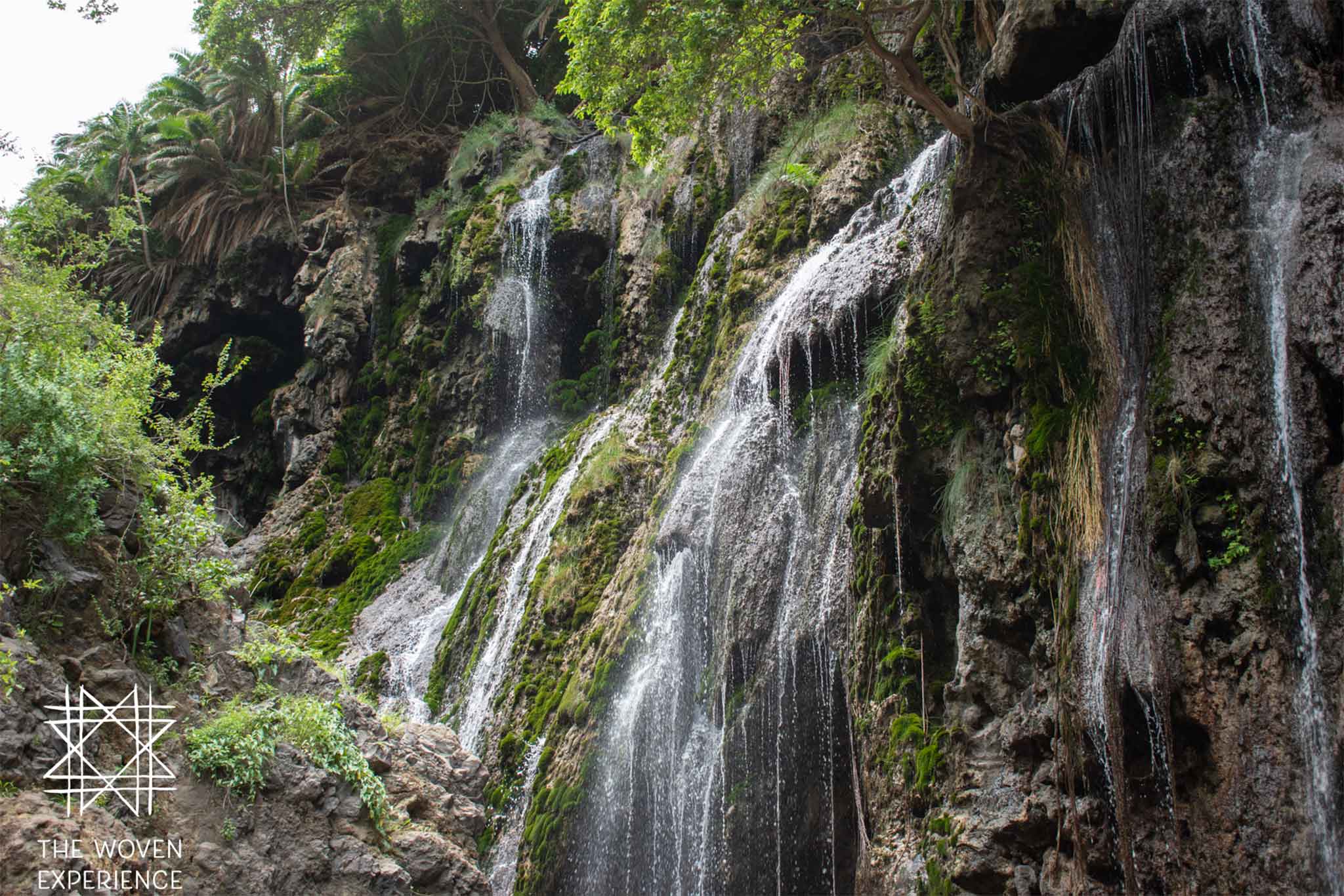
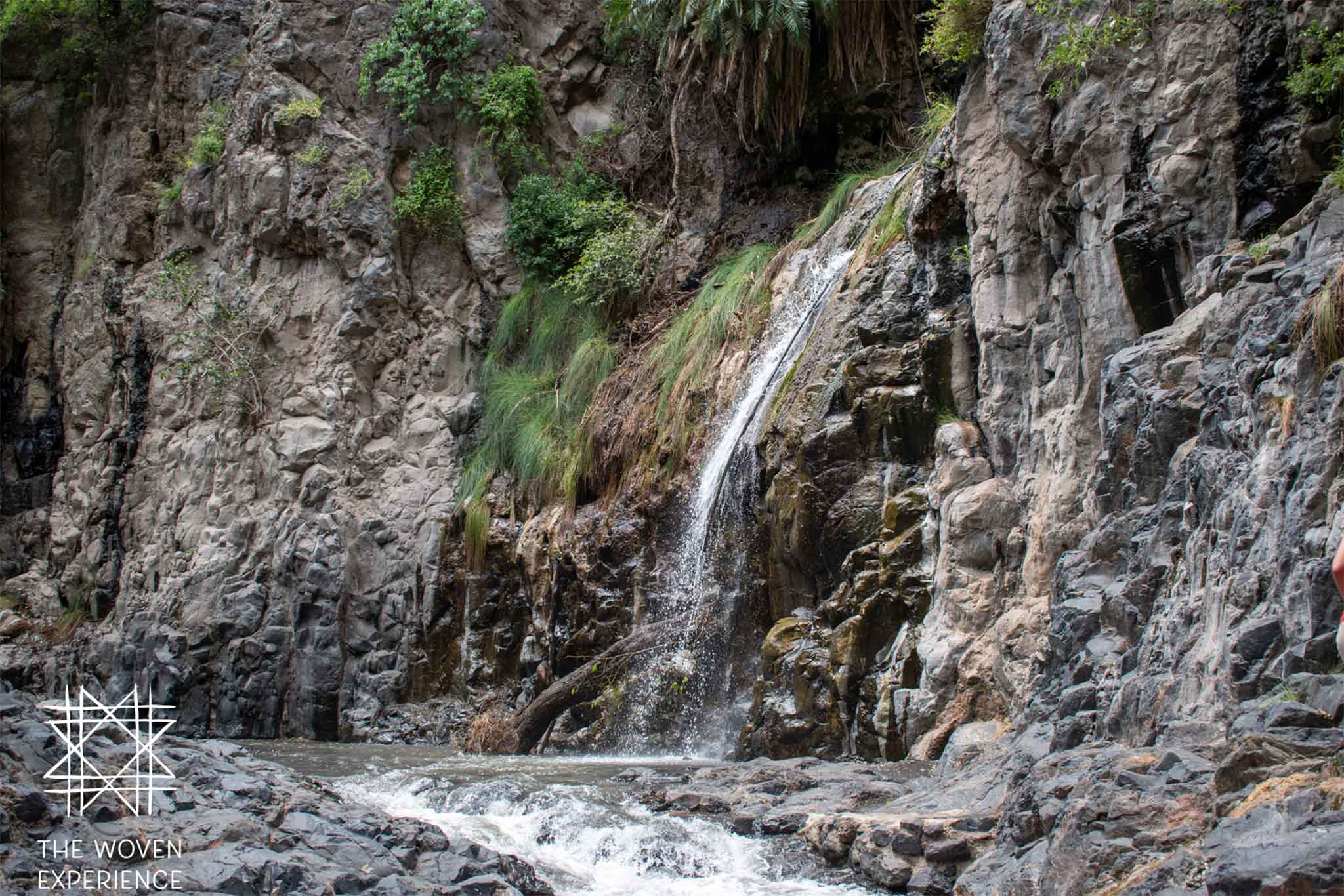
A short guided walk through the Engare Sero river gorge leads to a set of freshwater waterfalls, where a plunge pool offers a genuinely welcome, cool contrast to the heat of the surrounding lake basin — and one of the few places in the area where swimming is both possible and refreshing.
Maasai Culture and a Sacred Mountain
Because the surrounding land is Maasai territory, a visit here comes with a genuine cultural dimension — from the mandatory local guide required for the Lengai climb to the option of visiting a nearby village to learn how communities live and graze livestock in one of Tanzania's harshest landscapes, and why the volcano itself holds spiritual significance for them.
Dry-Adapted Wildlife of the Rift Valley Floor
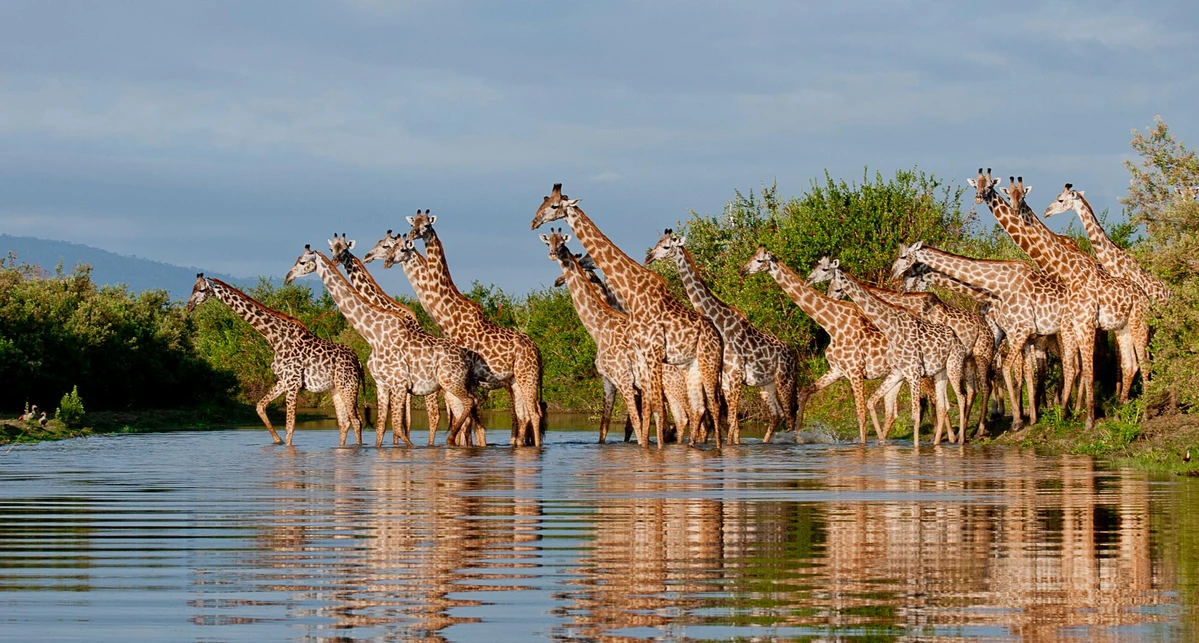
Wildlife density here is genuinely lower than on the main safari circuit, but the species that do thrive are specialists worth seeking out: fringe-eared oryx, gerenuk, gazelle, giraffe, and zebra scattered across the arid steppe, alongside pelicans, storks, and other waterbirds drawn to the lake's margins. It's a different kind of wildlife experience — quieter, more scattered, and rewarding for travelers who enjoy the search as much as the sighting.
One of Tanzania's Last Truly Off-the-Grid Destinations
Between the rough access roads, sparse infrastructure, and small number of visitors compared to the Serengeti or Ngorongoro, Lake Natron remains one of the few genuinely remote destinations left on Tanzania's northern circuit — the kind of place where nights are spent camping under an uninterrupted sky, and the sense of having the landscape largely to yourself is part of the appeal.
Activities in Lengai Natron
- Night climb of Ol Doinyo Lengai
- Flamingo viewing
- Engare Sero waterfall hike and swim
- Engare Sero ancient footprints visit
- Maasai village visits
- Birdwatching
- Lakeshore walks and wildlife viewing
- Photography
- Sunrise and sunset walks
- Remote camping.
Year-Round Weather in Lengai Natron
The dry season, running roughly from June through October, is generally considered the most comfortable and practical time to visit — daytime heat remains intense, but skies stay clear, roads into this remote area are easier to navigate, and visibility for photographing the volcano and the red lake is at its best. A second, shorter dry stretch typically follows in January and February, offering similarly good conditions before the heavier rains return.
November and December bring a lighter, more transitional rainy period, with occasional showers that can make the notoriously rough tracks into the area slower going, though they rarely last long enough to derail a visit outright. The wettest stretch of the year runs from March through May, when rainfall is heaviest and least predictable; roads can become difficult or impassable after storms, and this is generally the least practical window for a visit.
Weather on Ol Doinyo Lengai itself works on a completely different scale than the lake below. While the base broils in Rift Valley heat, temperatures near the 2,962-meter summit turn cold and windy, which is exactly why the climb is done overnight — starting around midnight to avoid the worst of the daytime heat on the lower slopes and timed to reach the crater rim for a cold, clear sunrise before the heat and wind pick up.
Want to see more? This video is worth watching
Related Trips
Discover Tanzania
Your questions answered
Where is Lake Natron, and how do we get there?
Lake Natron sits on the floor of the Great Rift Valley in far northern Tanzania, close to the Kenyan border. It's a remote destination, well off the main northern circuit — reaching it from Arusha typically means a drive of around 220 km, roughly five hours or more, via Mto wa Mbu on rough, dusty volcanic tracks that require a high-clearance 4x4.
We handle the transfer for you in a properly equipped vehicle with an experienced driver, since this route is not one we'd recommend attempting independently.
When is the best time to visit?
The dry season, from June to October and again in January and February, is the most practical time to visit — roads are firmer, the heat is more manageable, and visibility for photographing the lake and volcano is at its best. The wetter months, March to May, can make the already-rough access roads difficult or impassable after storms.
How many days should we plan for Lake Natron and Ol Doinyo Lengai?
We generally recommend at least two nights — one day to reach the area, explore the lake, and visit the Engare Sero waterfalls or footprints, and a second day (starting around midnight) for the volcano climb, since the round trip alone takes 8 to 12 hours. Trying to compress everything into a single day rarely does the destination justice.
Can this be combined with the northern circuit?
Yes — it works well as an adventurous add-on to a broader itinerary, most commonly linked with Ngorongoro Crater and the Serengeti via Mto wa Mbu. Because of the extra driving time involved, we usually suggest it for travelers with a week or more, rather than a shorter first-time safari.
What do fees cost, and are they included in our price?
Beyond the general area entry fee, the Ol Doinyo Lengai climb requires a mandatory local Maasai guide, typically charged at around $70–100 per person depending on group size, usually covering the guide, food, and water for the climb. We build these costs directly into your itinerary quote, so you won't need to negotiate or pay guides directly at the mountain.
What is this area best known for?
Two things: the lake's otherworldly red color, caused by salt-loving microorganisms thriving in water too caustic for almost anything else to survive, and Ol Doinyo Lengai itself — the only volcano on Earth currently erupting rare, dark natrocarbonatite lava, which turns white as it cools. Local Maasai consider the mountain sacred, calling it the "Mountain of God."
How difficult is the Ol Doinyo Lengai climb?
Honestly — quite difficult. This is widely considered one of East Africa's toughest one-day climbs: a steep, 4-to-6-hour night ascent over loose volcanic scree and ash, often requiring hands-and-knees scrambling near the top, followed by a similarly long descent. It's not a casual walk, and we'd only recommend it to travelers who are reasonably fit and comfortable with steep, unstable terrain. A local Maasai guide is mandatory and comes with every climb we arrange.
What are the Engare Sero footprints?
The Engare Sero site preserves more than 400 remarkably well-preserved human footprints, thousands of years old, pressed into volcanic ash from a nearby eruption. It's one of the most significant trackways of its kind anywhere in the world, and an easy, worthwhile stop alongside a visit to the lake.
What wildlife and birdlife will we see?
Lake Natron is East Africa's most important breeding ground for lesser flamingos, gathering in vast pink flocks on the exposed soda flats. Beyond the flamingos, expect other waterbirds like pelicans and storks, along with zebra, giraffe, gazelle, gerenuk, and oryx scattered across the surrounding dry country — though wildlife density here is genuinely lower than on the main safari circuit, so this is a destination for its landscape and birdlife more than big-game viewing.
Where will we stay?
Accommodation near Lake Natron is simple by circuit standards — a handful of tented camps and basic lodges near the lakeshore, some of which include a complimentary Ol Doinyo Lengai climb with a multi-night stay. We'll set expectations clearly when planning: this is a rustic, adventure-focused stop, not a luxury lodge experience.
Is it safe? What health precautions should we take?
The area is safe to visit with an experienced guide, but it demands more caution than a standard game drive — the roads are rough, the heat is intense, and the volcano climb carries real physical risk from loose scree and steep drop-offs, so it should only be attempted with a qualified guide and realistic expectations of your own fitness. Tanzania is a malaria-risk area, so we advise antimalarial medication and standard precautions like repellent and sun protection, given how exposed and hot this landscape is. We're glad to talk through fitness requirements honestly before you commit to the climb.
What should we pack?
For the lake, pack for extreme heat: light, breathable clothing, a hat, sunglasses, and high-SPF sunscreen. For the volcano climb, bring sturdy hiking boots with good grip, a headtorch for the night ascent, warm layers for the cold, windy summit, and plenty of water, even though your guide typically supplies some. We send every client a full packing list tailored to their itinerary once it's booked.